
Boyce, Virginia
Boyce is a small incorporated town in Clarke County in northern Virginia. It is a rural residential community with historic character, surrounded by farmland and scenic landscapes in the Shenandoah region.
Overview
Boyce is an incorporated town in Clarke County in the United States, located in the northern part of the Commonwealth of Virginia. It is a small, primarily residential community that retains a rural character despite being within reach of larger regional centers. The town functions as a local hub for nearby farms, households, and small businesses.
Image gallery
5 Images


Characteristics and setting
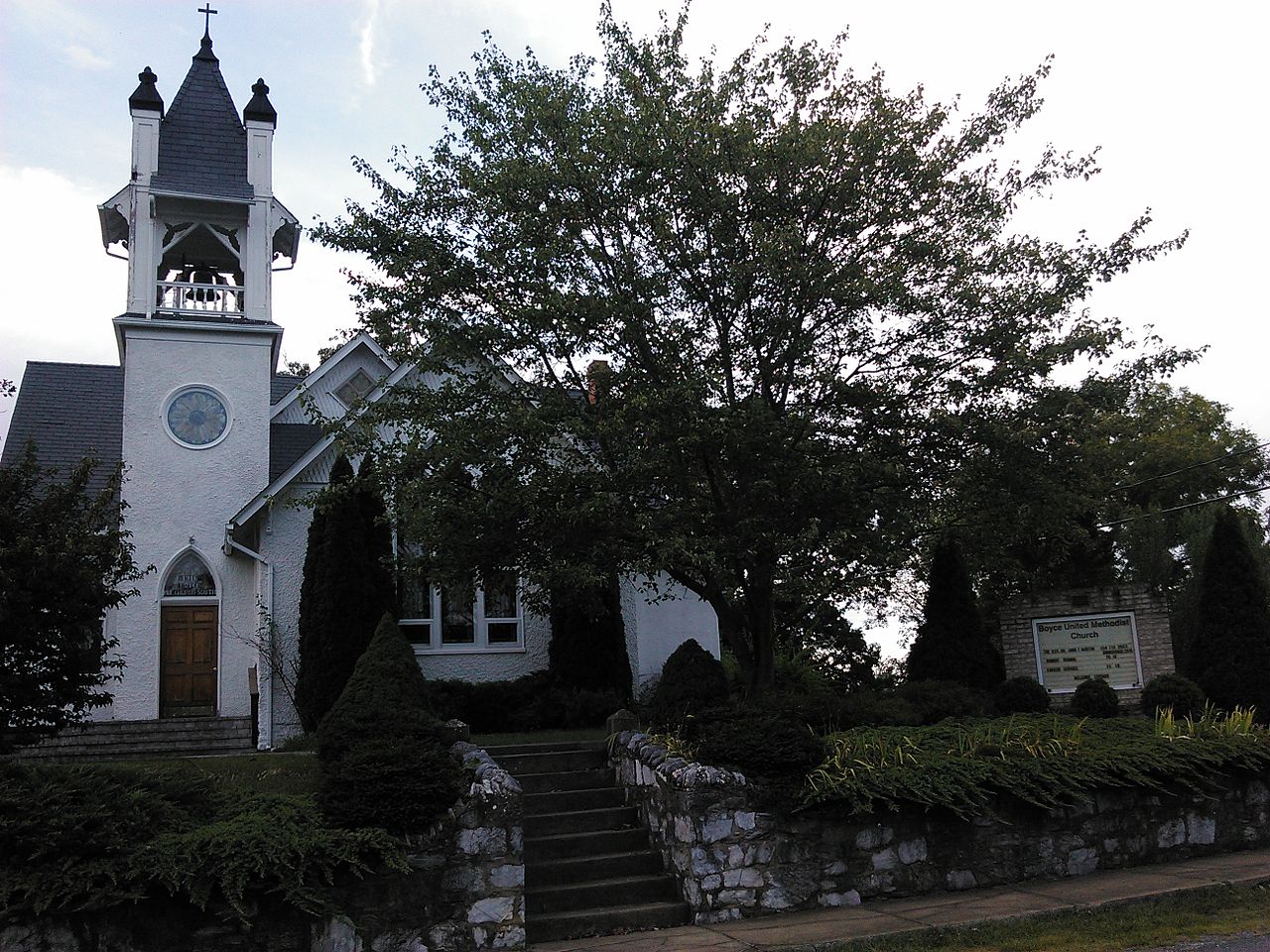
Boyce is characterized by a village-scale main street, low-density housing, and surrounding agricultural land. Properties around the town include family farms, pasture, and woodland. The landscape and settlement pattern reflect a mixture of historic buildings and modest modern development, giving Boyce a distinctly small-town atmosphere.
History and development
The town grew as a local service and trading point for surrounding agricultural areas. Its development reflects the broader patterns of rural Virginia: settlement and farming followed by modest commercial growth during the late 19th and early 20th centuries. Physical traces of this past survive in older houses, community buildings, and the layout of streets.
Community, economy, and uses
Boyce serves mainly as a residential base for people who work locally or commute to nearby towns and cities. Local economic activity centers on small merchants, services, agriculture, and home-based enterprises. Community life often revolves around civic organizations, churches, seasonal events, and shared efforts to preserve rural character.
Notable features and local attractions
- Historic properties and traditional architecture that reflect the town’s long-standing role as a rural service center.
- Proximity to scenic landscapes, outdoor recreation, and regional cultural sites in northern Virginia.
- A small-town main street with local shops and community facilities that support everyday life.
Distinctive aspects
Although modest in size, Boyce is representative of many small Virginian towns that balance preservation and limited growth. Its value is often seen in the continuity of rural land use, a strong sense of local identity, and connections to the broader historical and natural landscape of northern Virginia.
Related articles
Author
AlegsaOnline.com Boyce, Virginia Leandro Alegsa
URL: https://en.alegsaonline.com/art/13519