
Barbara McNair: American singer and actress
Barbara McNair (1934–2007) was an American singer and actress who rose to prominence in the 1960s for nightclub, television and stage performances, including Broadway roles and frequent variety-show appearances.
Barbara McNair was an American vocalist and actress whose career peaked in the 1960s and extended into stage and screen work in later decades. Born in Chicago in 1934, she built a reputation as a polished performer on nightclub circuits and as a popular guest on national television variety programs. Her professional life combined recordings, nightclub headlining, television appearances and Broadway roles.
Image gallery
1 Image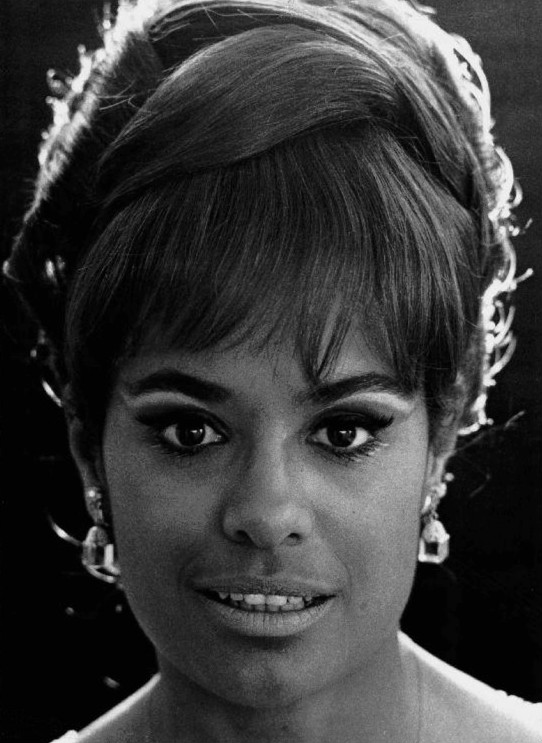
Career and artistic profile
McNair was known for a versatile approach that embraced pop, jazz-influenced phrasing and theatre material. She became a familiar presence on variety television, appearing on programs such as The Bell Telephone Hour, The Steve Allen Show and The Hollywood Palace. She also made recordings and toured, bringing a stage-trained sensibility to both intimate club sets and larger broadcast audiences. For a concise overview of her recorded work, see discography and recordings.
Stage and screen
Beyond nightclubs and television, McNair performed on Broadway, with credits that include the musical No Strings and the show The Body Beautiful in the 1960s and 1970s. These stage roles highlighted her ability to combine acting and singing in musical theatre. More details on her theatrical credits can be found at Broadway credits.
Notable appearances
- Frequent guest on televised variety shows; an index of her TV work is available at television credits.
- Regular nightclub and concert performances that expanded her audience beyond recorded singles; see career overview for context.
McNair's early life was rooted in Chicago, where she was born and raised; biographical summaries often note her Midwestern origins at Chicago background. In later years she lived in Los Angeles, where she continued to work intermittently and maintain a presence in entertainment circles; some sources summarize her later life at Los Angeles details.
Later life and legacy
Barbara McNair died in 2007 in Los Angeles at the age of 72 after a battle with throat cancer. Accounts of her illness and passing are discussed in memorial notices and obituaries, for example obituary and remembrances, and medical information on her cause of death is noted in biographical records at health and cause. Her legacy is that of a mid-20th-century entertainer who moved between popular music, television variety, and musical theatre at a time when crossover success between those fields was less common.
For further reading, archival collections and curated retrospectives can offer recordings, photographs and program notes documenting McNair's work on stage and screen. Researchers and fans often consult dedicated biographical pages and specialized discographies to trace her recordings and performances through the 1960s and beyond.
Author
AlegsaOnline.com Barbara McNair: American singer and actress Leandro Alegsa
URL: https://en.alegsaonline.com/art/134937