
Bowness-on-Solway: village at the western end of Hadrian’s Wall
Bowness-on-Solway is a small village and civil parish on the Solway Firth in Allerdale, Cumbria, England, known as the western terminus of Hadrian’s Wall and for its tidal marshes and birdlife.
Overview
Bowness-on-Solway is a small village and civil parish in the district of Allerdale, Cumbria, in north‑west England. It stands on the southern shore of the Solway Firth near the Scottish border and is widely recognised as the western terminus of Hadrian’s Wall. The settlement occupies low‑lying coastal ground dominated by tidal flats, salt marsh and estuarine channels.
Image gallery
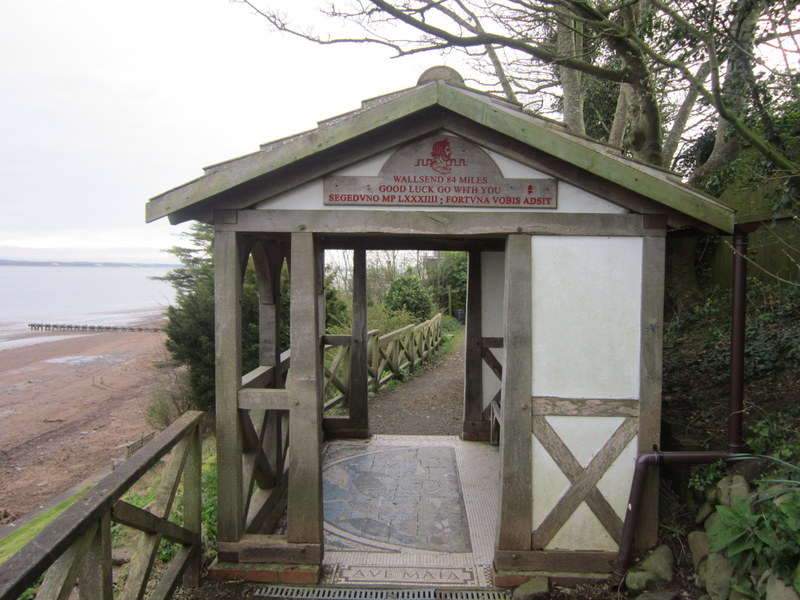
6 Images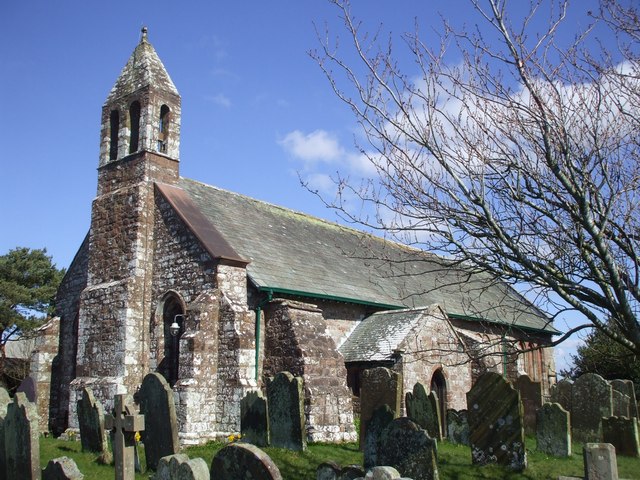



Characteristics and landscape
The village is rural and sparsely built, with a landscape shaped by tides and sedimentation. The shoreline and nearby mudflats attract migratory and overwintering waders and wildfowl, making the area important for birdwatching and coastal ecology. Much of the surrounding terrain is used for grazing, with small fields and hedgerows meeting the edge of the marsh.
History and archaeology
Bowness-on-Solway lies beside the ruined western reaches of Hadrian’s Wall and the site of a Roman fort commonly identified as Maia. In Roman times this location marked the frontier with the Solway as a maritime boundary and formed part of the logistical network along the wall. Over the centuries the settlement developed around coastal and agricultural activities, and at times benefited from ferry traffic and small‑scale trade across the firth.
Modern use and visitor interest
Today the village attracts visitors for its connection to Hadrian’s Wall Path, coastal birdlife and quiet rural character. Walkers often finish or begin long‑distance routes here, while local interests focus on conservation of intertidal habitats and sustaining small community services. The area is also of interest to students of Roman Britain because of the fort and wall fragments.
Administration and distinctions
Administratively the settlement is a civil parish within Allerdale and forms part of the Cumbrian coastal belt adjacent to Scotland. It should not be confused with Bowness-on-Windermere, a separate and much larger resort in the Lake District. The remoteness, tidal landscape and archaeological significance are among the features that make Bowness-on-Solway distinct.
Notable facts
- The 2001 census recorded 1,221 people living in the civil parish.
- It marks the commonly recognised western end of Hadrian’s Wall.
- The Solway mudflats nearby are important for migrating and overwintering birds.
Related articles
Author
AlegsaOnline.com Bowness-on-Solway: village at the western end of Hadrian’s Wall Leandro Alegsa
URL: https://en.alegsaonline.com/art/13475
Sources
- neighbourhood.statistics.gov.uk : Neighbourhood Statistics