
Andrew Smith (zoologist)
Scottish surgeon, explorer and zoologist (1797–1872) who conducted major natural history work in South Africa and published Illustrations of the Zoology of South Africa.
Andrew Smith (3 December 1797 – 11 August 1872) was a Scottish surgeon, explorer, ethnologist and zoologist whose fieldwork in southern Africa laid foundations for later biological study there. Born in Hawick, Roxburghshire, he trained in medicine and served as a military surgeon before devoting much of his career to collecting, describing and illustrating the flora and fauna of the Cape region. He is often called the "father of zoology in South Africa" for the breadth of his surveys and the number of new species he reported.
Image gallery
3 Images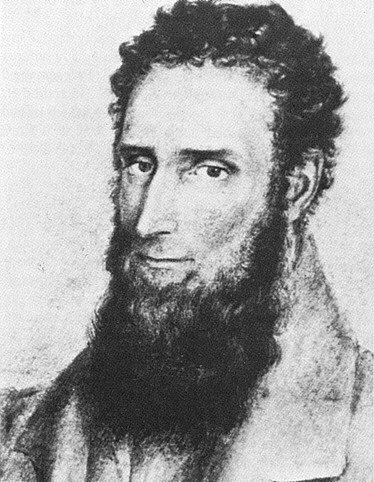


Career and expeditions
Smith spent extended periods in southern Africa during the 1820s and 1830s, leading organised scientific expeditions into interior regions that were little known to European naturalists at the time. On these journeys he assembled large collections of specimens and made observational records of geology, climate and the lifeways of local communities. His medical background shaped his approach: careful description, preservation of specimens and systematic cataloguing of material for museums and scientific study.
Scientific work and publications
Smith's most famous publication is Illustrations of the Zoology of South Africa, a multi-part work that combined descriptive text with detailed plates. Through that and other papers he described many animals previously unknown to European science and helped establish taxonomic frameworks used by later researchers. He also published notes on language, customs and material culture, reflecting a wide ethnological interest in addition to his zoological studies.
Contributions and legacy
- Extensive specimen collections that enriched natural history collections in Britain and South Africa.
- Formal descriptions of numerous species and the promotion of systematic natural history in the Cape.
- Field reports that combined natural history, geography and ethnology and influenced subsequent explorers and scientists.
- Several species and taxa have been named in his honour, reflecting his impact on zoological knowledge.
Smith's interdisciplinary work bridged medical training, military service and natural science at a period when European exploration and taxonomy were expanding rapidly. Modern historians of science recognise him for bringing more rigorous collecting methods and published documentation to South African natural history. For readers seeking further background, see a concise biographical summary, an account of his medical and military service, and collections of his zoological publications.
Although some details of his career are preserved in archival sources and specialist literature, Smith's lasting contribution is clear: he transformed ad hoc collecting into systematic surveys and produced illustrated references that advanced knowledge of southern Africa's animals for generations of scientists.
Author
AlegsaOnline.com Andrew Smith (zoologist) Leandro Alegsa
URL: https://en.alegsaonline.com/art/134488