
Alfred L. Kroeber — American cultural anthropologist
Alfred L. Kroeber (1876–1960) was a foundational American cultural anthropologist, founder of Berkeley's anthropology program, museum director, and an authority on California Native peoples, including Ishi.
Alfred Louis Kroeber (1876–1960) was a prominent American cultural anthropologist whose scholarship and institutional work shaped the discipline in the United States. He completed his doctoral studies at Columbia University under the mentorship of Franz Boas, absorbing the empirical, historical approach that characterized early 20th-century American anthropology. Kroeber combined rigorous field documentation with broad attempts to describe cultural patterns and relationships.
Image gallery
2 Images
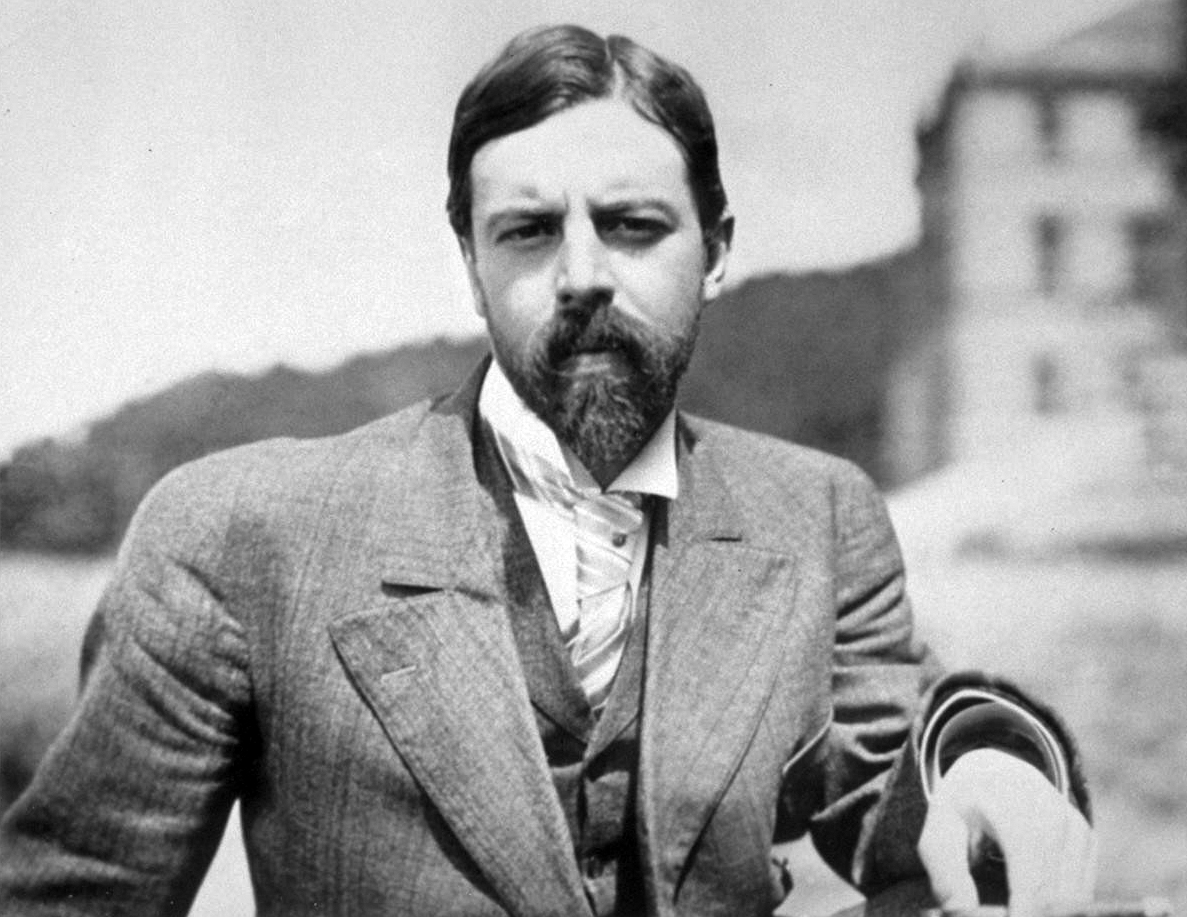
Life and career
Shortly after earning his doctorate, Kroeber moved to California, where he became the first professor in the Department of Anthropology at the University of California, Berkeley. He served as director of Berkeley's Museum of Anthropology from 1909 until 1947, building collections, training students, and establishing a center for research on Native Californian cultures. His career spanned many decades of teaching, fieldwork, museum curation, and publication.
Research focus and notable work
Kroeber specialized in the indigenous peoples of California and in comparative cultural description. He participated directly in the documentation of Yahi lifeways following the 1911 encounter with Ishi, who is often described as the last known member of the Yahi; Kroeber and colleagues recorded Ishi's language, stories, and practical knowledge during his years in San Francisco and Berkeley. His efforts to compile ethnographic materials culminated in reference works and monographs intended for both scholars and the public.
Among Kroeber's enduring contributions is the Handbook of the Indians of California, a comprehensive synthesis of the region's ethnography that remains a standard reference for historians and anthropologists. He worked within the Boasian tradition of careful, locality-based description but also explored larger patterns of cultural morphology and cultural areas.
- Field documentation of California Native communities
- Institution-building: teaching, museum curation, and collections
- Comparative studies of cultural configurations and change
Kroeber's influence extended through his students and family. He helped establish a major anthropology program at Berkeley and mentored generations of scholars. His daughter, the writer Ursula K. Le Guin, drew on an intellectually rich household; his wife, Theodora Kroeber, later published a widely read account of Ishi's life. For those who wish to explore archival material or biographical detail, institutional pages and specialized bibliographies provide starting points (Columbia, Berkeley).
Kroeber remains a central figure in the history of American anthropology: an ethnographer who emphasized meticulous description, a museum director who preserved materials for future research, and a teacher who helped professionalize the field. His work illustrates how early 20th-century anthropology combined fieldwork, curation, and comparative analysis to document cultures undergoing rapid change.
Further reading and archival sources can be sought through institutional repositories and specialist bibliographies linked from academic and museum collections (Boas collections, Ishi-related resources).
Author
AlegsaOnline.com Alfred L. Kroeber — American cultural anthropologist Leandro Alegsa
URL: https://en.alegsaonline.com/art/134295