
African Great Lakes
A system of large lakes in and around the East African Rift known for unique biodiversity, fisheries, transport routes, and major environmental and geopolitical importance.
Overview
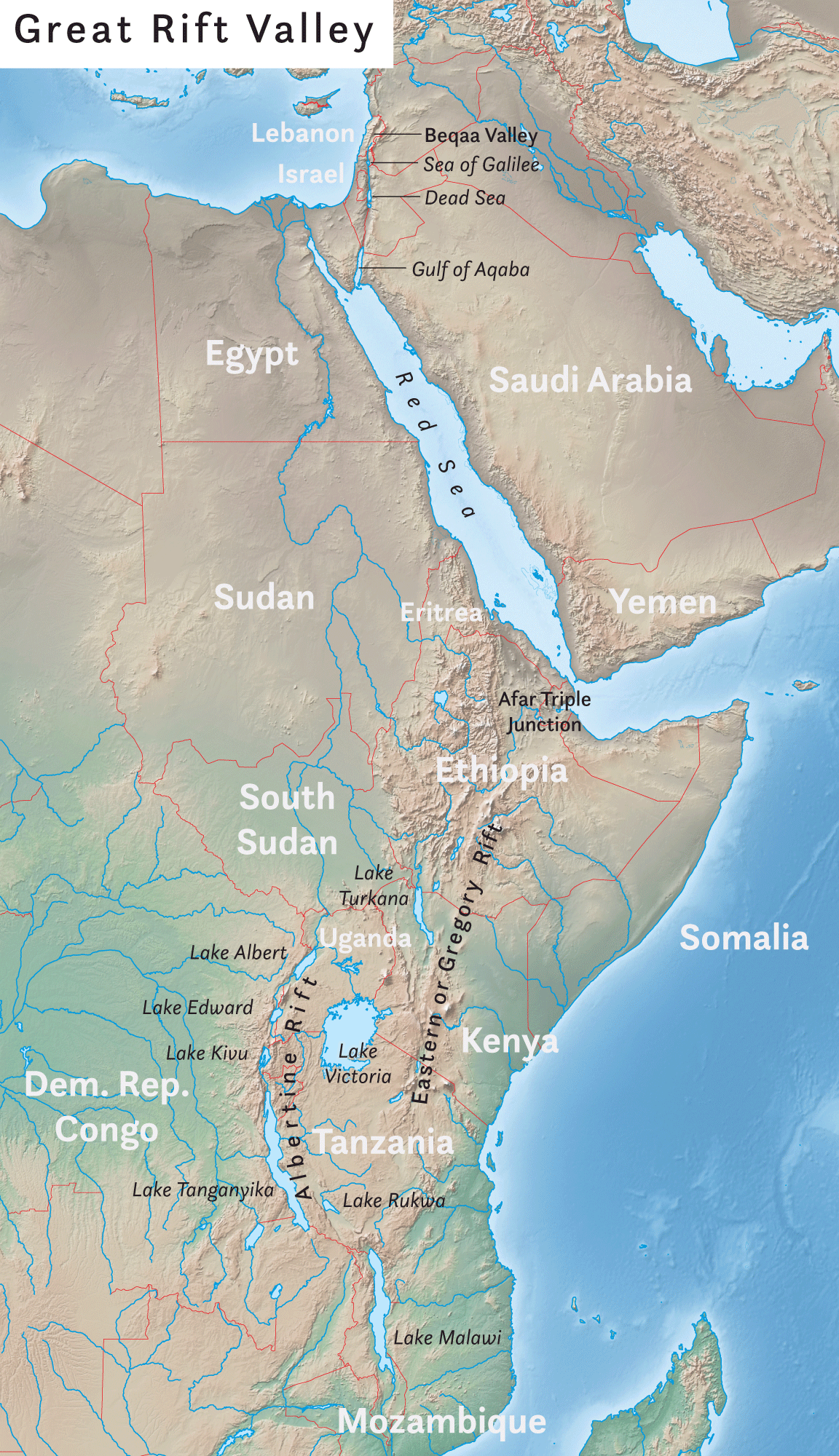
The African Great Lakes form a chain of large freshwater lakes in and around the East African Rift. In Swahili they are often called Maziwa Makuu. These lakes are among the largest and deepest in the world and play a central role in the region's climate, ecosystems, economies and human settlement.
Image gallery
6 Images


Geography and principal lakes
The lakes lie along divergent and faulted sections of the Rift and differ widely in origin, size and depth. Major members of the system include:
- Lake Victoria — the continent's largest by surface area;
- Lake Tanganyika — one of the deepest and longest freshwater lakes globally;
- Lake Malawi (Nyasa) — famous for its clear waters and diverse fish species;
- Smaller Rift lakes such as Turkana, Albert, Edward and Kivu.
Ecology and biodiversity
These lakes support exceptionally varied freshwater communities. Lake Malawi and Lake Tanganyika are noted for their hundreds of endemic cichlid fishes, evolved by isolation in different shoreline and depth habitats. Wetlands, papyrus swamps and riparian forests around the lakes provide habitat for birds, mammals and reptiles and contribute to regional biodiversity.
Human uses and challenges
The African Great Lakes are vital for fisheries, irrigation, drinking water, transport and hydroelectricity. They sustain dense populations and cross-border trade routes. At the same time the region faces environmental pressures: overfishing, introduction of non-native species, pollution, deforestation, siltation, and climate-driven changes in water levels.
Conservation, history and significance
Human history around the lakes includes long-standing fishing communities, agricultural expansion and modern urban growth. Conservation efforts combine local management, transboundary agreements and scientific monitoring to protect fisheries and freshwater habitats. The lakes' cultural, economic and geopolitical importance makes them a focus of regional cooperation as well as contestation.
For general context on the system and its geological setting see the Rift Valley lakes and regional environmental literature.
Author
AlegsaOnline.com African Great Lakes Leandro Alegsa
URL: https://en.alegsaonline.com/art/134144