
A. P. J. Abdul Kalam — Indian scientist, aerospace engineer and statesman
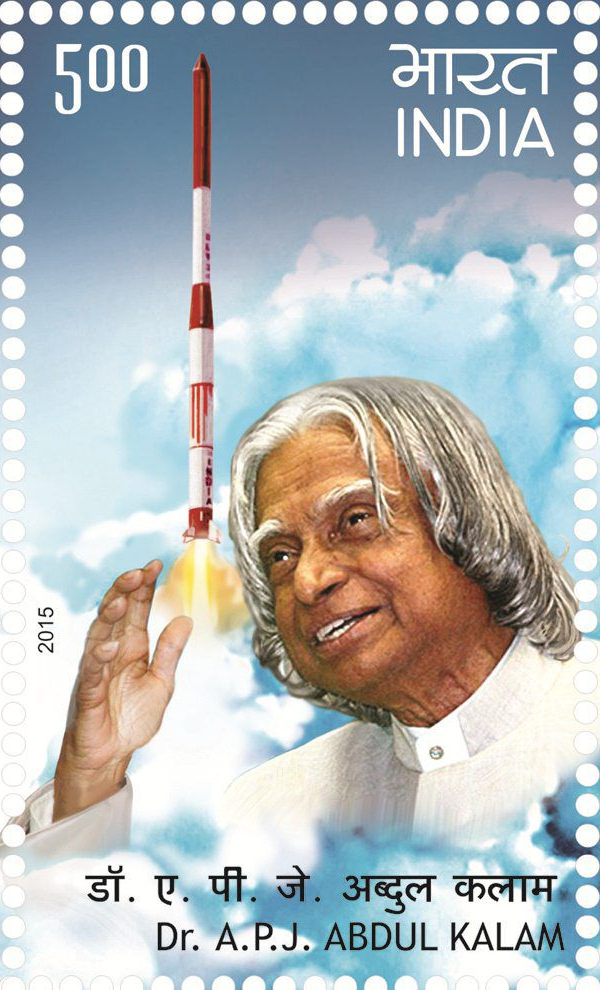
Avul Pakir Jainulabdeen Abdul Kalam (1931–2015) was an Indian aerospace scientist, author and the 11th President of India, known for his work on launch vehicles and missiles and for his engagement with youth and education.

Image gallery
10 Images


Early life and education
Kalam came from a modest family in a coastal town and studied physics and engineering before beginning his career in applied research. He trained as an aerospace engineer and completed formal studies in engineering at institutions that prepared him for work on aircraft and rocketry projects. His mother tongue was Tamil, and he remained connected to his home region throughout his life.
Scientific career and contributions
Kalam spent much of his professional life at Indian research organisations, including long affiliations with groups responsible for space launch vehicles and missile development. He contributed to projects that aimed to put satellites into orbit and to strengthen the country's strategic deterrent through indigenous missile systems. These achievements led to the popular sobriquet "Missile Man" of India and to senior advisory roles in national defence research and space programmes, including collaborations with organisations such as ISRO.
Public life, presidency and later work
In 2002 Kalam was elected President and used the office to promote science, technology and education. He placed special emphasis on inspiring students, visiting schools and universities frequently, and encouraging a vision of national development driven by innovation. After his term, he continued to lecture, write and teach; he held academic appointments and served as the first chancellor of the Indian Institute of Space Science and Technology (IIST). He collapsed while delivering a lecture in 2015 and passed away the same day, an event widely mourned across India.
Writings, honours and legacy
Kalam authored several popular books aimed at a general audience and young readers, setting out ideas about leadership, education and India’s future. His notable works inspired interest in science and public service. He received India's highest civilian honour, the Bharat Ratna, among other awards, and later served as a visiting professor and mentor at multiple institutions. His legacy is remembered for bridging technical achievement with public engagement and for encouraging generations of students to pursue science and civic responsibility.
- Selected themes: indigenous space capability, missile development, science education and youth outreach.
- Notable roles: scientist and project leader, presidential officeholder, educator and author.
- Enduring impact: popularisation of science, emphasis on self-reliance in technology and motivating young people to contribute to national development.
Author
AlegsaOnline.com A. P. J. Abdul Kalam — Indian scientist, aerospace engineer and statesman Leandro Alegsa
URL: https://en.alegsaonline.com/art/134028