
The 60s: Decades Referred to as the '60s' Across Centuries
Overview of the term '60s' as shorthand for decades ending in -60s, its meanings across centuries (for example the 1860s and 1960s), common characteristics and notable distinctions.
The phrase "the 60s" is a concise way to refer to a ten‑year span whose year numbers end in 60–69. Which century it denotes depends entirely on context: it might mean the 1960s in many modern conversations or the 1860s, 1760s and so on when a different historical period is under discussion. Writers and speakers usually clarify by adding a century marker or relying on surrounding subject matter.
Image gallery
1 Image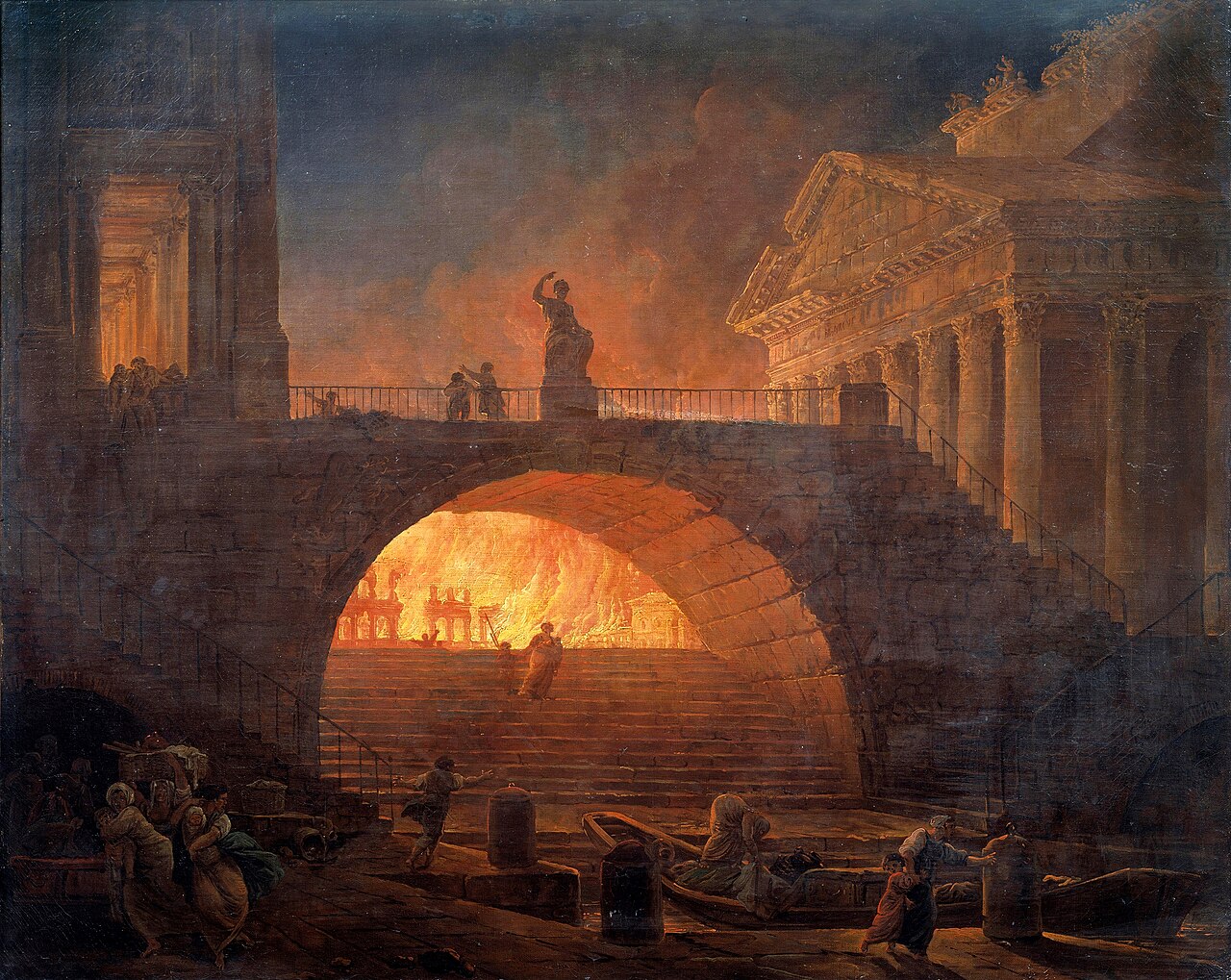
Common characteristics and uses
As a label the 60s is used for shorthand in journalism, conversation, and scholarship. It invokes a bundle of cultural, political, and technological associations tied to that particular decade. Typical ways it is used include:
- Referencing cultural movements (music, fashion, art) dominant in that decade.
- Summarizing political or social trends limited to that ten‑year period.
- Comparing change between adjacent decades (e.g., the 50s vs the 60s).
Examples: the 1860s and the 1960s
Different 60s have very different characters. For instance, the 1860s are often associated in many countries with major conflicts, political realignment, and transformations in labor and technology during the nineteenth century. By contrast, the 1960s evoke postwar social revolutions, civil rights campaigns, a vibrant youth culture, and rapid advances in mass media and space technology.
Why the decade label matters
Dating events by decade helps historians, sociologists and cultural critics identify patterns and compare eras. Yet the shorthand can obscure continuity across decades and differences within them: not everyone experienced a given decade in the same way, and many long‑term processes span several decades.
When you encounter "the 60s," check context. If the article, lecture, or conversation concerns nineteenth‑century politics, it probably means the 1860s; if it is about modern culture, it is likely the 1960s. Authors often add a century prefix or rely on dates to avoid ambiguity.
Author
AlegsaOnline.com The 60s: Decades Referred to as the '60s' Across Centuries Leandro Alegsa
URL: https://en.alegsaonline.com/art/133939