
2020 Polish presidential election
A summary of Poland's 2020 presidential election: scheduling during the COVID‑19 pandemic, leading candidates, timeline, results and notable issues surrounding conduct and political significance.
The 2020 Polish presidential election was held in two rounds after an earlier schedule was disrupted by the global COVID‑19 pandemic. The outbreak forced political and legal debates about whether and how to hold voting safely; several planned arrangements were changed during spring 2020. The election ultimately took place with a first round on 28 June 2020 and a decisive runoff on 12 July 2020.
Timeline and formal steps. Following postponement of the originally planned May date, the Marshal of the Sejm formalized new dates on 3 June 2020. The Marshal's role in that step was exercised by the parliamentary speaker (Marshal of the Sejm) and the decision at the time was publicly associated with Elżbieta Witek, who held the office. The election proceeded under exceptional circumstances, with both logistical adjustments and disputes over ballot procedures discussed in public and judicial forums.
Image gallery
10 Images


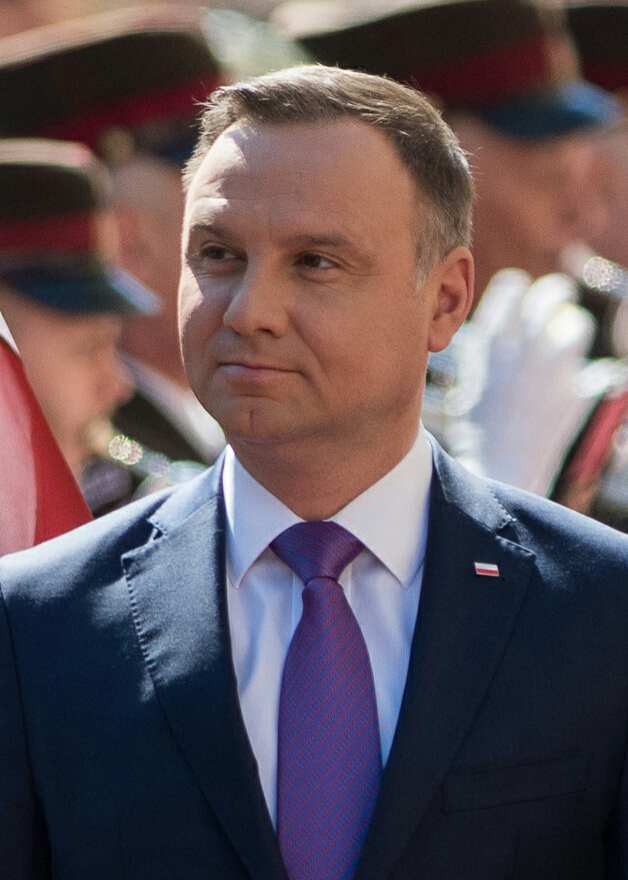


Candidates and campaign
The contest featured the incumbent president, Andrzej Duda, running for a second term, and a range of challengers from across the political spectrum. The main opponent in the runoff was the Civic Platform candidate, Warsaw's mayor, Rafał Trzaskowski, representing the centrist and pro‑European opposition party Civic Platform. Other candidates included figures from smaller parties and independent campaigns, but the two leading contenders dominated public debate in the weeks before the first round.
Results and arithmetic
In the first round, Andrzej Duda received approximately 43.5% of the vote while Rafał Trzaskowski received about 30.5%, leaving both to contest a runoff. The second round produced a close result: Duda was re‑elected with a narrow majority, winning roughly 51% to Trzaskowski's roughly 48%. The outcome confirmed a second term for the incumbent and kept the presidency aligned with his political supporters.
Context, conduct and controversies
The 2020 election was marked by intense political polarization and a contentious debate over electoral administration in a pandemic. Authorities and opposition parties clashed over the feasibility and legality of expanded postal voting, emergency legislative changes, and scheduling. Observers and participants highlighted logistical challenges in organizing safe voting, as well as heated campaign rhetoric and mobilization by both sides. International attention focused on how democratic processes adapt to public health emergencies.
Significance and aftermath
The re‑election of Andrzej Duda had immediate implications for Poland's domestic politics and its balance between the presidency and other state institutions. Supporters viewed the result as a mandate to continue policies associated with the incumbent, while critics pointed to the narrow margin as evidence of a deeply divided electorate. The election also became a reference point in discussions about electoral integrity, emergency powers, and how democracies conduct elections under crisis conditions.
- Key dates: originally planned for May, first round 28 June 2020, runoff 12 July 2020.
- Main candidates: Andrzej Duda (incumbent) and Rafał Trzaskowski (Civic Platform).
- Major issues: public health and voting logistics, postal voting debate, political polarization.
For further details on the institutional roles and background of the principal actors, see references to the Marshal of the Sejm, Elżbieta Witek, Andrzej Duda, Civic Platform, and Rafał Trzaskowski. Contemporary reporting and official results provide additional granular information about precinct‑level returns, turnout and post‑election reactions.
Author
AlegsaOnline.com 2020 Polish presidential election Leandro Alegsa
URL: https://en.alegsaonline.com/art/133795