
2020 Hpakant jade mine disaster
A July 2, 2020 landslide at a jade mining site in Hpakant, Kachin State, Myanmar, killed at least 162 people and injured dozens, highlighting chronic safety, environmental and governance problems in the jade industry.
Overview
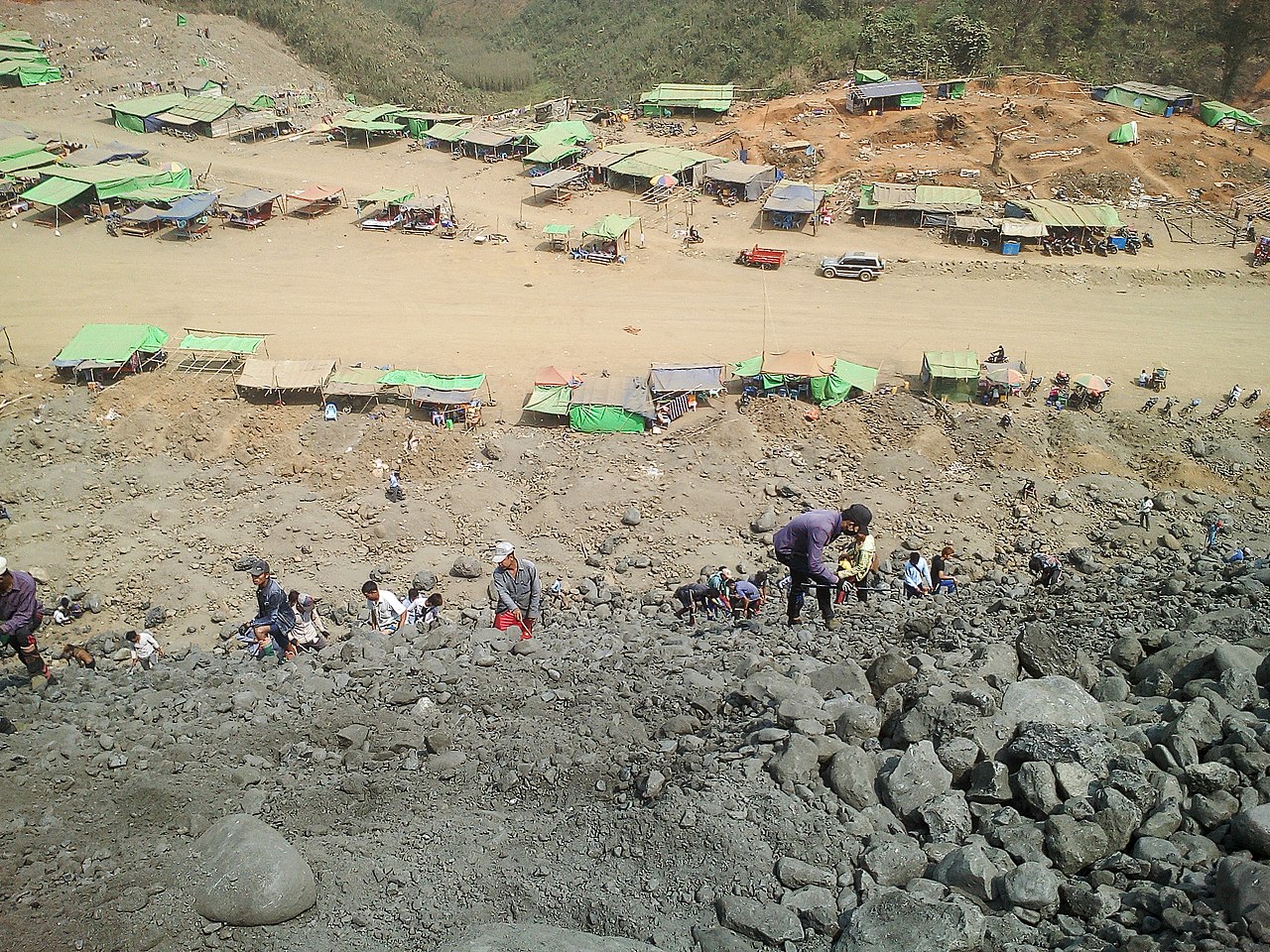
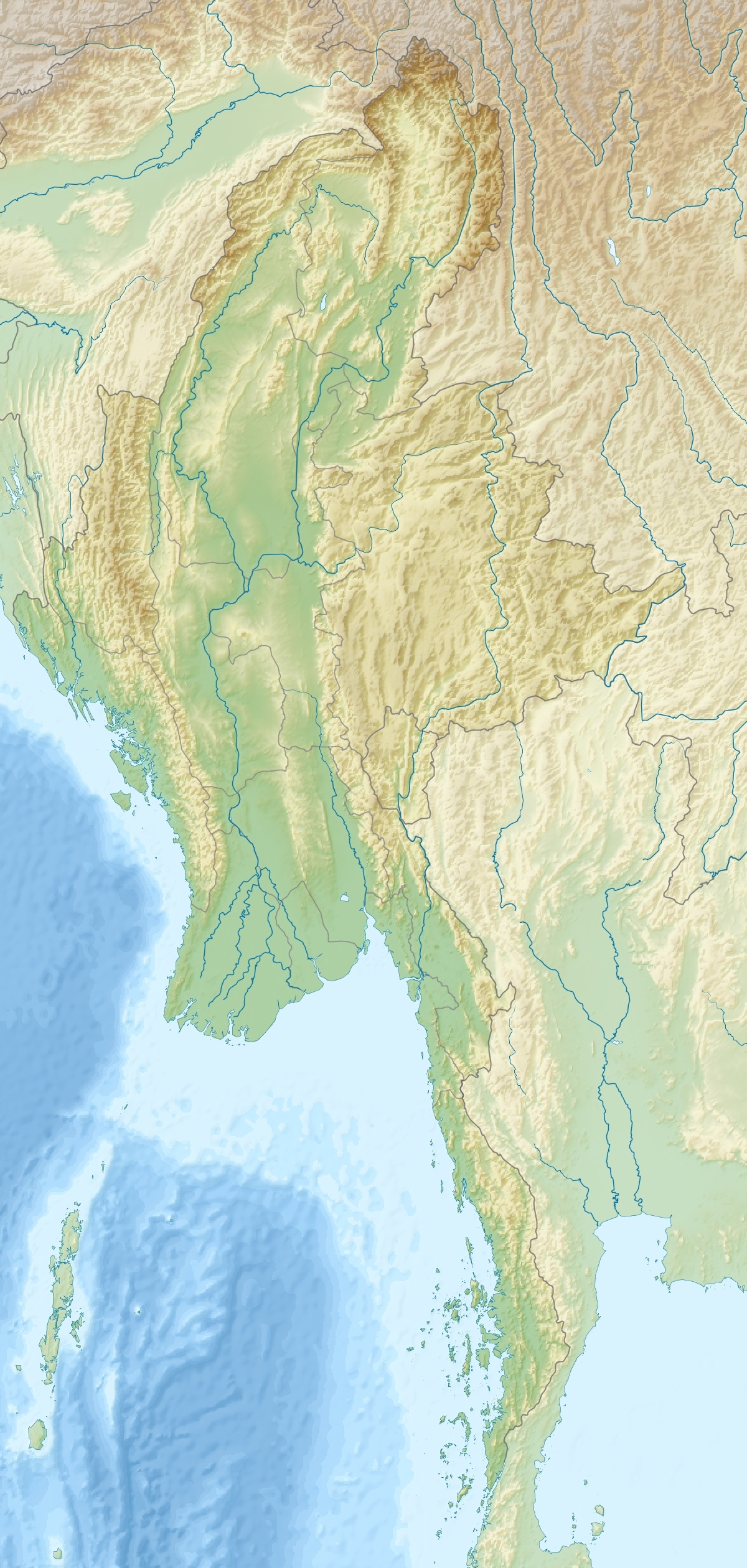
On 2 July 2020 a large landslide struck a jade mining site in the Hpakant area of Kachin State, Myanmar. Authorities and rescuers recovered at least 162 bodies and reported dozens more injured. The incident occurred in a zone dominated by open‑pit extraction, spoil heaps and informal scavenging, and was widely described in news reports as a landslide at a jade working area in the township.
Image gallery
4 Images

Background and importance
Hpakant is one of the world’s most important sources of jade, a high‑value gemstone that drives substantial informal and formal economic activity in northern Myanmar. Mining there involves large mechanized excavations, improvised waste piles and seasonal access by thousands of people who seek discarded gem fragments. The industry’s scale and the mineral’s value have made the region economically significant while also creating difficult social and environmental conditions.
Causes and safety issues
Investigations and commentary after the event pointed to unstable waste slopes, heavy rains during the monsoon season and inadequate controls around spoil heaps as contributing factors. Observers have long warned that tailings and dumped overburden in the area can collapse without warning, especially where people work or live close to spoil sites. Broader problems cited include weak regulation, limited enforcement, and the presence of unofficial scavengers around active pits.
Impact and response
The 2020 catastrophe was reported as the deadliest single accident in Myanmar’s contemporary jade sector. Emergency services, military units and local volunteers participated in rescue and recovery efforts, while hospitals treated the injured. Humanitarian and media coverage drew attention to the plight of miners and scavengers and to calls for reforms in mining safety and waste management.
History and notable context
Jade mining in Hpakant has a history of fatal incidents; serious collapses were reported in previous years, including notable events in 2015 and 2019. The recurrence of deadly accidents has prompted repeated demands for stricter oversight, safer practices and measures to prevent vulnerable populations from occupying hazardous zones. Analysts emphasize that any long‑term solution must address governance, economic incentives and environmental restoration.
Further reading
Author
AlegsaOnline.com 2020 Hpakant jade mine disaster Leandro Alegsa
URL: https://en.alegsaonline.com/art/133781