
2019 Chicago mayoral election: candidates, results and significance
Overview of the 2019 Chicago mayoral election, including candidates, voting system, the runoff, and the historic victory of Lori Lightfoot as Chicago's mayor.
Overview
The 2019 Chicago mayoral election was a citywide contest that began with a nonpartisan first round on February 26, 2019. Because no candidate won an outright majority, the top two finishers advanced to a runoff held on April 2, 2019. The race followed the announcement by incumbent mayor Rahm Emanuel that he would not seek a third term, creating an open-seat contest in a city long governed by a powerful mayoral office.
Image gallery
10 Images


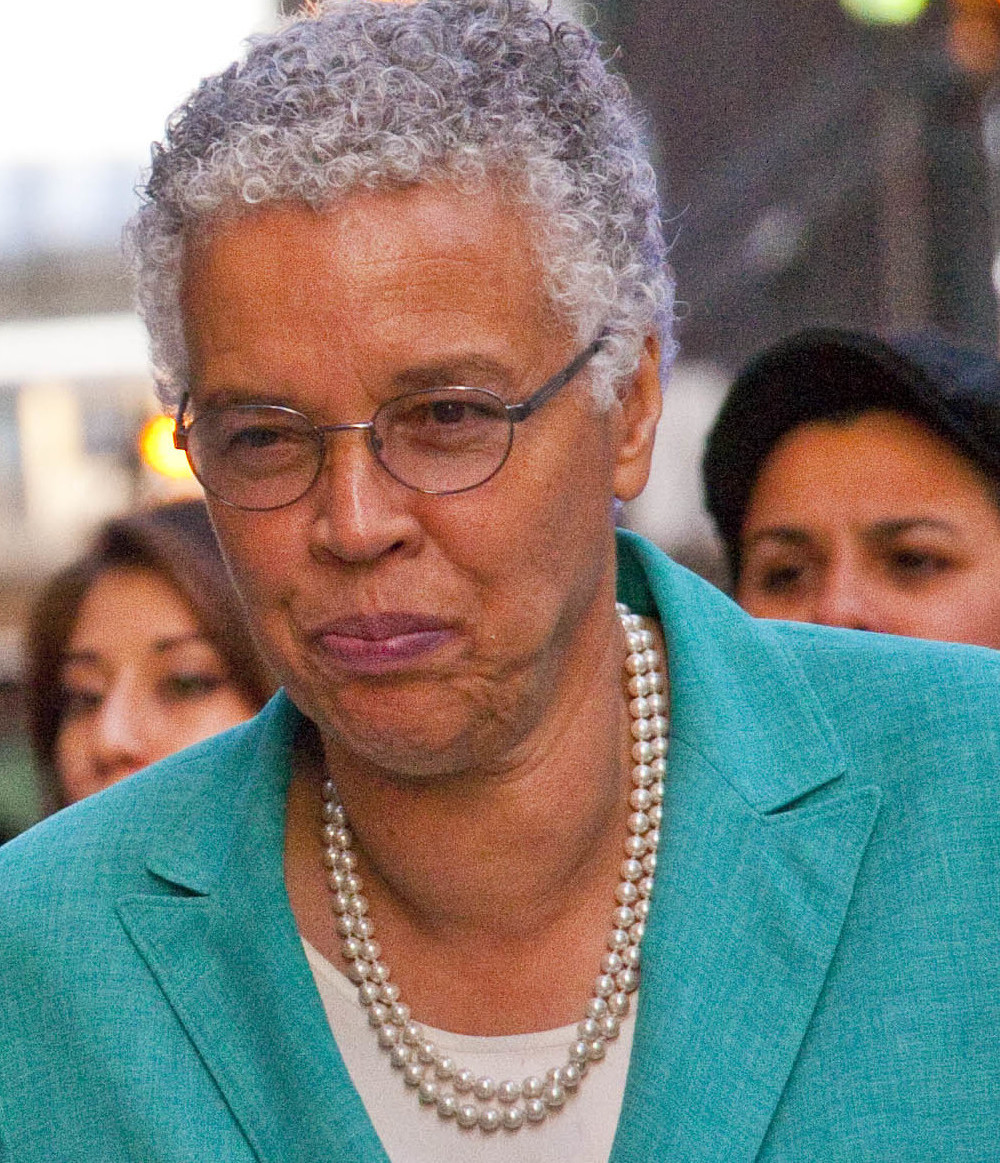


Electoral system and field
Chicago uses a nonpartisan two-round system for mayoral elections: if no candidate receives more than 50% of votes in the first round, the two highest vote-getters proceed to a runoff. The 2019 ballot featured a record-setting slate of fourteen certified candidates, reflecting broad interest across political, business, and community sectors. Many campaigns emphasized issues such as public safety, government transparency, education, and economic opportunity.
First round and runoff
On February 26, the crowded field produced no majority winner. Two candidates, Lori Lightfoot and Toni Preckwinkle, finished first and second and moved on to the April 2 runoff. The runoff campaign concentrated attention on citywide policy differences, ward-level political machines, and efforts to mobilize voters across diverse neighborhoods. Voters chose between a candidate positioned as a reformer and one with deep ties to the city's established political infrastructure.
Results and historical significance
In the runoff, Lori Lightfoot won a decisive victory. Her election was notable for several historic firsts: she became Chicago's first African-American woman mayor and the first openly gay person to hold the office, marking a milestone in the city's political history. Lightfoot carried all fifty wards in the city, reflecting broad geographic support in the runoff.
Context and consequences
The 2019 election came after two terms of Mayor Emanuel, who had been elected in 2011 and reelected in 2015. Emanuel's departure from the race opened space for new leadership and sparked debates about policing, municipal finances, ethics reforms, and civic engagement. The outcome shifted the political dynamics in Chicago government and influenced priorities on accountability and public policy.
Notable facts
- The first round date was February 26, 2019, and the runoff was held on April 2, 2019 (election overview).
- There were fourteen candidates on the ballot, a record number for a Chicago mayoral election.
- Lightfoot's victory was described as a landslide; she won every ward and received broad support across demographic groups.
- Her election also represented a milestone for LGBT representation in Chicago politics (LGBT).
For more detailed vote totals, candidate lists, and post-election developments, see official results and contemporaneous reporting on the election process and transition efforts (official election page), and profiles of the major candidates (Lightfoot, Preckwinkle, Emanuel).
Author
AlegsaOnline.com 2019 Chicago mayoral election: candidates, results and significance Leandro Alegsa
URL: https://en.alegsaonline.com/art/133750