
2019–20 UEFA Champions League
The 65th edition of Europe's top club football competition, disrupted by COVID‑19 and completed with a single‑leg knockout in Lisbon; Bayern Munich won the title and earned the Super Cup berth.
The 2019–20 UEFA Champions League was the 65th season of Europe's premier club competition organised by UEFA. The tournament is the successor to the European Champion Clubs' Cup and has been known as the UEFA Champions League since the 1992–93 season; its rebranding and modern format are often described in historical overviews of the competition here. Clubs qualify for the Champions League based on domestic league performance and national association coefficients, with a multi-stage calendar that normally includes preliminary rounds, a group stage, and a two-legged knockout phase.
Image gallery
5 Images


Format and structure
Typical Champions League seasons begin with qualifying rounds in the summer, a group stage of 32 teams in the autumn, and two-legged knockout rounds in the winter and spring culminating in a one-match final. The 2019–20 edition followed that structure until the spring of 2020, when public health measures and travel restrictions forced UEFA to pause the competition. To complete the season, UEFA proposed a modified format that reduced the remaining knockout ties to single-leg matches and concentrated them at neutral venues.
Disruption and resolution
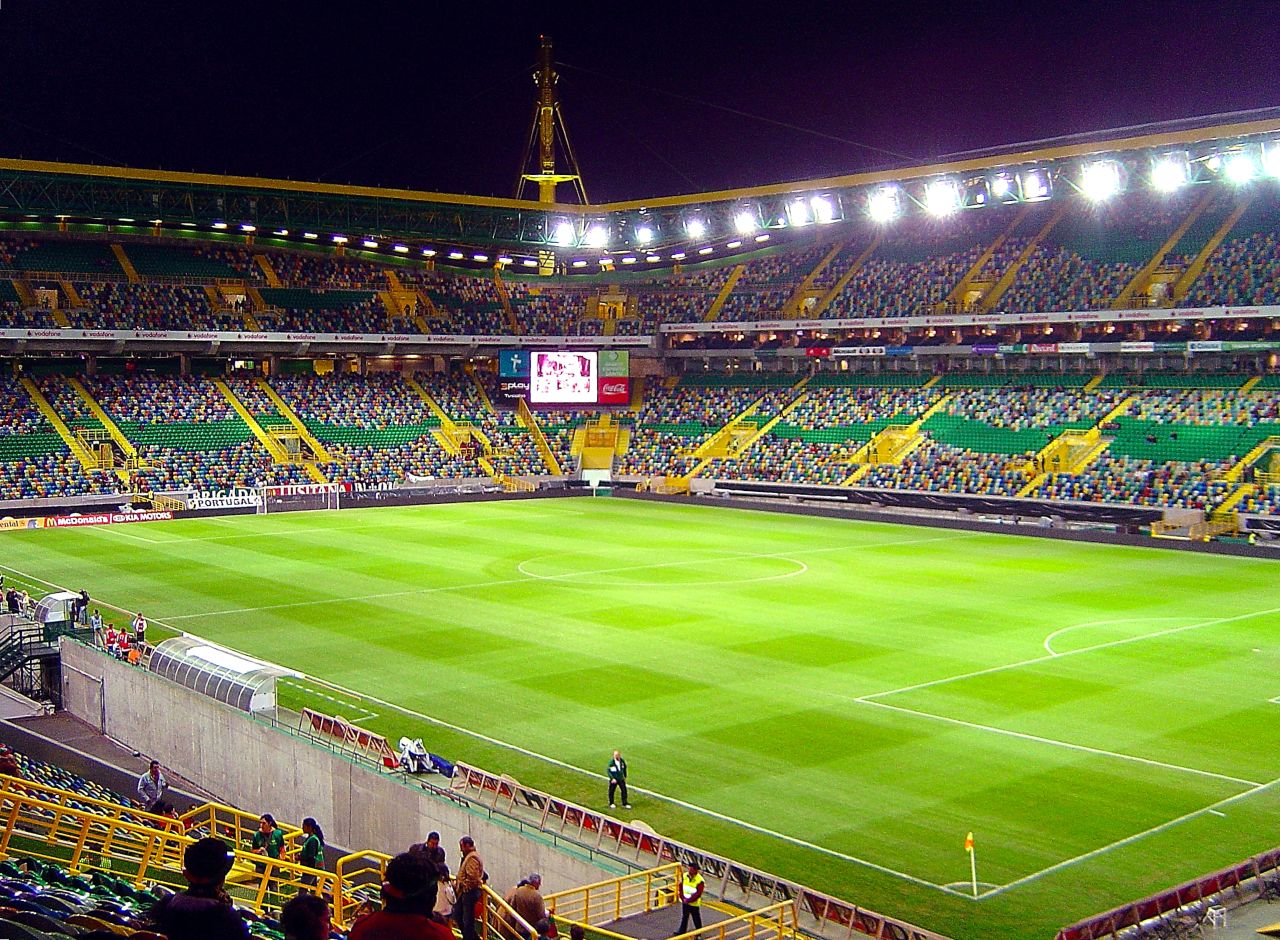
The final had originally been scheduled for the Atatürk Olympic Stadium in Istanbul (Turkey), but the COVID‑19 pandemic led to changes: the knockout phase was restarted as a single‑match tournament in Lisbon, Portugal, using two stadiums to host all remaining fixtures. This exceptional finish — a compact, single‑venue conclusion to a continental competition — was notable for its logistical challenges, health protocols, and absence or limitation of spectators.
Outcome and significance
Bayern Munich won the 2019–20 Champions League, defeating Paris Saint‑Germain 1–0 in the final. The victory earned Bayern the continental crown for the season, completed a treble of domestic league, domestic cup, and the Champions League for the club in that campaign, and granted the winners the right to contest the UEFA Super Cup against the winners of the UEFA Europa League. Additionally, Champions League winners automatically qualify for the next season's group stage; if a winner has already qualified via domestic league position, that berth is reallocated according to UEFA's access list.
Notable aspects and legacy
- Public‑health impact: the 2019–20 edition is often cited as the Champions League season most affected by the COVID‑19 pandemic, prompting unprecedented format adjustments.
- Competition integrity and scheduling: the single‑leg knockout stage and neutral venues created debates about competitive balance, travel fairness, and the role of home advantage.
- Historical context: the event is part of the long evolution of European club competition that began with the European Champion Clubs' Cup and transformed into the modern Champions League era.
For detailed match results, squad lists, and tournament statistics, official reports and season summaries maintained by governing bodies and major sports outlets provide comprehensive records. Further background on UEFA and the competition's history can be found via the governing body's resources and historical summaries: UEFA overview, competition format notes and archives, and information about the originally selected final venue at the Atatürk Olympic Stadium in Istanbul (Turkey).
Questions and answers
Q: What is the 2019-2020 UEFA Champions League?
A: The 2019–20 UEFA Champions League is the 65th season of Europe's premier club football tournament organized by UEFA.
Q: When was the European Champion Clubs' Cup renamed to the UEFA Champions League?
A: The European Champion Clubs' Cup was renamed to the UEFA Champions League 28 seasons ago.
Q: Where will the final match of the 2019-2020 UEFA Champions League be held?
A: The final of the 2019-2020 UEFA Champions League will be held at the Atatürk Olympic Stadium in Istanbul, Turkey.
Q: What do the winners of the 2019-2020 UEFA Champions League earn?
A: The winners of the 2019-2020 UEFA Champions League will earn the right to play against the winners of the 2019–20 UEFA Europa League in the 2020 UEFA Super Cup. They will also automatically qualify for the 2020–21 UEFA Champions League group stage.
Q: What happens if the winners of the 2019-2020 UEFA Champions League have already qualified for the 2020-2021 UEFA Champions League group stage?
A: If the winners of the 2019-2020 UEFA Champions League have already qualified through their league performance, the berth reserved will be given to the champions of the 11th-ranked association according to next season's access list.
Q: When will the 2020 UEFA Super Cup be played?
A: The 2020 UEFA Super Cup will be played after the winners of the 2019-2020 UEFA Champions League have been crowned.
Q: How many seasons ago was the European Champion Clubs' Cup renamed to the UEFA Champions League?
A: The European Champion Clubs' Cup was renamed to the UEFA Champions League 28 seasons ago.
Author
AlegsaOnline.com 2019–20 UEFA Champions League Leandro Alegsa
URL: https://en.alegsaonline.com/art/133744