
2018 Sulawesi earthquake and tsunami
A powerful 2018 earthquake struck Central Sulawesi, Indonesia, triggering a destructive tsunami, widespread liquefaction and thousands of casualties; the event highlighted hazards from strike‑slip quakes in narrow bays.
Overview
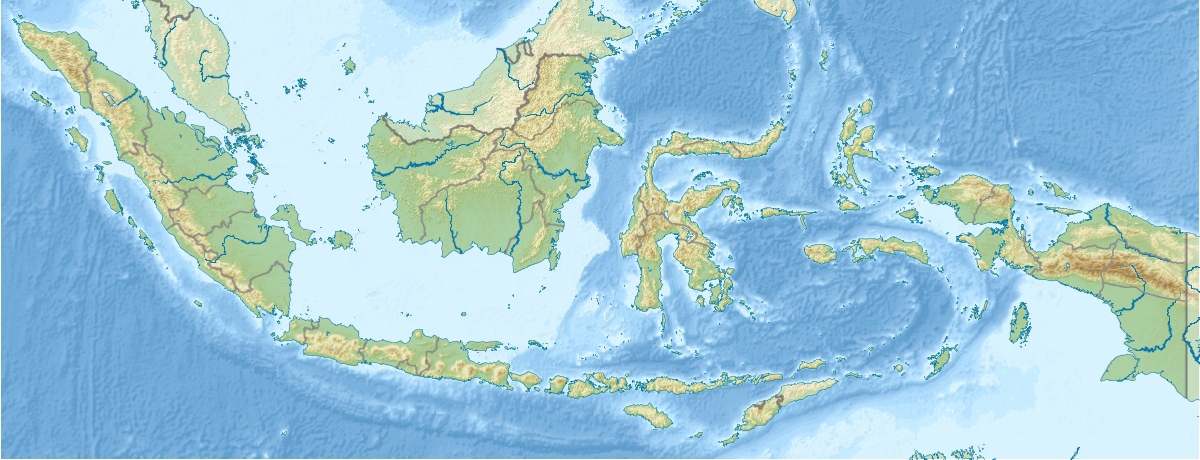
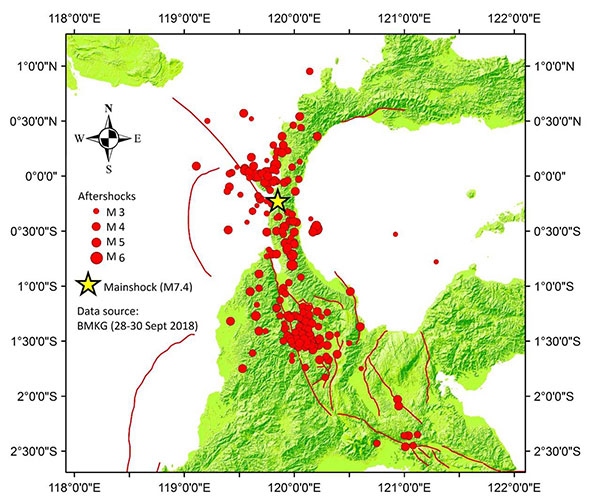
On 28 September 2018 a large earthquake struck the Minahasa Peninsula region of Central Sulawesi, Indonesia. The quake's epicentre was located in mountainous parts of Donggala Regency, roughly 77 km from the provincial capital Palu, and it was felt across parts of Kalimantan and even in Tawau, Malaysia. Seismic bulletins and news reports documented strong ground shaking followed by local tsunami waves that devastated coastal communities.
Image gallery
10 Images




Earthquake characteristics
The event involved a sudden rupture on faults beneath and near the sea. Local seismological agencies and international centres recorded a major shock preceded by foreshocks, including a strong earlier tremor. Detailed studies pointed to complex, predominantly strike‑slip motion on the Palu–Koro fault system, with intense shaking concentrated near the shoreline. For contemporaneous updates see seismic reports and regional summaries at local agencies.
Tsunami, ground failure and local effects
A tsunami struck the Palu Bay area minutes after the main shock. The bay's narrow shape amplified the incoming waves, contributing to rapid and destructive inundation of coastal neighbourhoods. Extensive liquefaction — where saturated soils lost strength and flowed like a liquid — caused whole residential districts to subside and shift, producing catastrophic ground failure in places such as Petobo and Balaroa. Visual accounts and investigations appear in technical notes and humanitarian briefings (geological summaries).
Damage, casualties and human impact
The combined earthquake, tsunami and ground collapse damaged infrastructure, homes, hospitals and roads, hampering rescue and relief. Official figures reported thousands of casualties and widespread displacement; early tallies listed at least 2,256 deaths and many thousands injured or missing, though totals were revised as recovery operations proceeded. The scale of damage and the number of people affected are described in national situation reports and international assessments (response summaries).
Response and recovery
Search and rescue teams, military units and humanitarian organizations were mobilized immediately. Initial priorities included locating survivors, recovering the dead, restoring access and providing shelter, water and medical care. The event stimulated reviews of early warning performance and disaster preparedness, and prompted reconstruction efforts focused on safer land use, engineered coastal defences and community education. Further information on relief efforts is available from coordination portals (humanitarian links).
Significance and lessons
The 2018 Sulawesi earthquake and tsunami underscored several lessons: strike‑slip earthquakes can generate locally dangerous tsunamis when faults interact with bays; narrow coastal geometries may amplify waves; and liquefaction can produce extreme, rapid landscape changes that magnify loss of life and property. Ongoing studies and policy changes aim to improve forecasting, local evacuation planning and land‑use decisions. For technical papers and post‑event analyses see scientific compilations and case studies (academic summaries).
- Key elements: strong earthquake, locally amplified tsunami, severe liquefaction.
- Impacts: thousands of lives affected, major infrastructure loss, long recovery period.
- Ongoing focus: hazard mapping, early warning improvement, resilient rebuilding.
Author
AlegsaOnline.com 2018 Sulawesi earthquake and tsunami Leandro Alegsa
URL: https://en.alegsaonline.com/art/133736