
Labour Party leadership contest, 2016 (United Kingdom)
A leadership challenge to Jeremy Corbyn following the 2016 EU referendum that tested the divide between Labour’s membership and parliamentary party; result announced 24 September 2016.
In the weeks after the 2016 EU referendum, the Labour Party in the United Kingdom experienced a high-profile internal contest over its leadership. A substantial number of Labour parliamentarians and critics questioned the direction and public effectiveness of Jeremy Corbyn as Leader of the Labour Party, triggering a formal leadership challenge. The campaign that followed highlighted tensions between the elected parliamentary party and the wider membership and affiliated supporters.
Image gallery
3 Images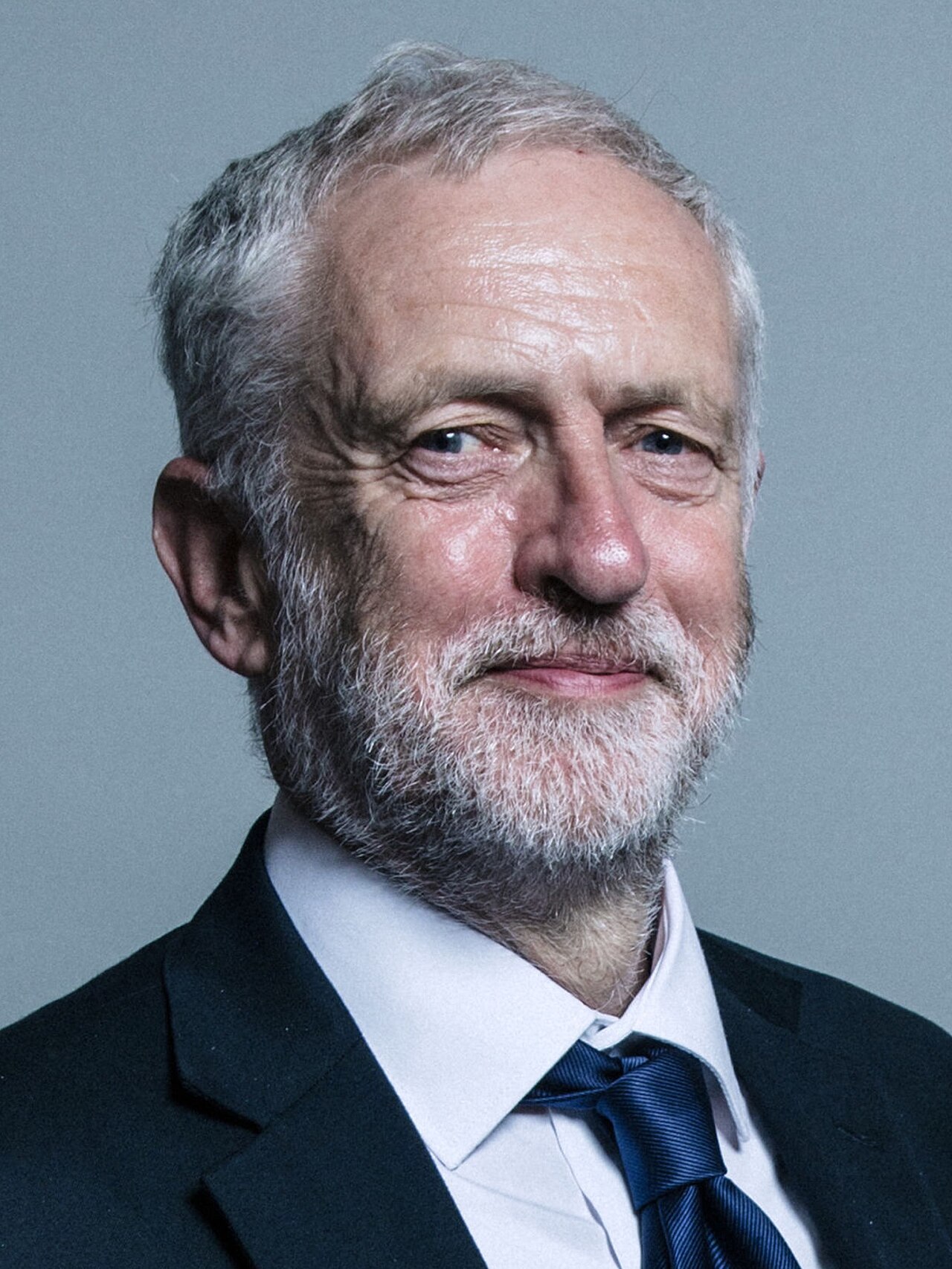


Background and catalyst
The immediate catalyst for the contest was criticism of the party’s stance and campaigning during the referendum on continued EU membership. In its aftermath, a sequence of high-profile resignations from the shadow cabinet and a cross-section of MPs expressing no confidence created momentum for a leadership election. Those advocating change argued that different leadership was needed to improve electoral prospects and public messaging; supporters of the incumbent argued that he represented a democratic mandate from the party base.
Candidates and voting process
After internal rules and nomination thresholds were met, the contest settled into a two-candidate race. Key figures included:
- Jeremy Corbyn — the incumbent leader, backed by a large proportion of party members and several trade union affiliates.
- Owen Smith — the main challenger who emerged as the principal alternative after an earlier, short-lived challenge from Angela Eagle was withdrawn.
The election used the party’s membership ballot system, which combines full party members, registered supporters and affiliated supporters (notably trade union members who opt to participate). Voting was conducted under one-member-one-vote rules rather than through an electoral college system.
Campaign themes
Debate in the campaign focused on leadership style, policy emphasis, the party’s approach to Brexit negotiations, and the relationship between the parliamentary party and grassroots activists. Corbyn’s backers emphasised his policy agenda and popular appeal among new and long-standing members; challengers sought to persuade voters that a different leader would unify the parliamentary party and broaden Labour’s electoral support.
Result and figures
The result was declared on 24 September 2016. Jeremy Corbyn was re-elected with 313,209 votes, representing 61.8% of the ballot, an increase on his share from the previous year’s contest. He received roughly 62,000 more votes than in the 2015 leadership election, consolidating his position among the membership and affiliated voters.
Aftermath and significance
Corbyn’s victory deepened the visible split between many Labour MPs and the membership base, prompting ongoing debates about party governance, discipline, and strategy. The contest had lasting effects on internal organisation, the role of affiliated trade unions, and how Labour positioned itself on Brexit and national politics. It remains a key episode in the party’s recent history, illustrating how mass membership support can outweigh parliamentary dissent in internal leadership contests.
For further context about the individuals involved and the referendum that precipitated the challenge, see coverage linked to key figures and events: Jeremy Corbyn, the office of the Leader of the Labour Party, and the 2016 EU referendum.
Author
AlegsaOnline.com Labour Party leadership contest, 2016 (United Kingdom) Leandro Alegsa
URL: https://en.alegsaonline.com/art/133705