
2014 Pacific typhoon season
Overview of the 2014 Pacific typhoon season: timeline, key storms, monitoring agencies, naming conventions, impacts, and notable meteorological features.
The 2014 Pacific typhoon season refers to the tropical cyclone activity in the northwestern part of the Pacific Ocean during the calendar year 2014. In this basin storms form year‑round, though the climatological peak occurs in the late summer and early autumn months. Several tropical depressions, named tropical storms, severe tropical storms and typhoons developed during the year, affecting countries around the western North Pacific and the South China Sea.
Image gallery
10 Images
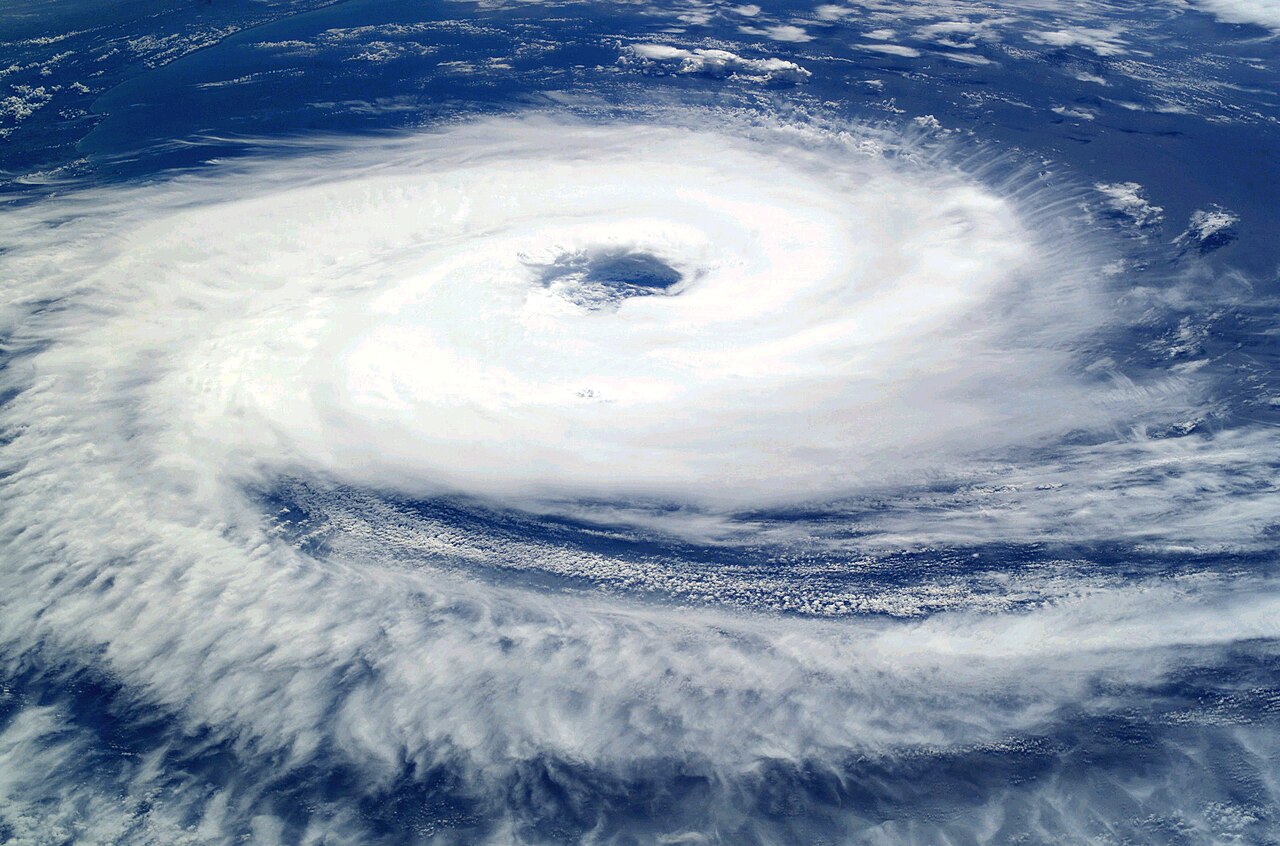


Monitoring agencies and naming
Storms in this region are monitored by multiple agencies with different responsibilities. The Japan Meteorological Agency (JMA) acts as the Regional Specialized Meteorological Center and issues official names and best-track analyses. The Joint Typhoon Warning Center (JTWC), operated by the United States, provides advisories primarily for U.S. interests. The Philippine Atmospheric, Geophysical and Astronomical Services Administration (PAGASA) assigns local names to systems that enter or form within the Philippine Area of Responsibility. International names are chosen from a rotating list maintained by the ESCAP/WMO Typhoon Committee, while PAGASA uses its own naming list for domestic warnings. For coastal warnings and historical records see the regional summaries provided by national meteorological services and advisory centers (regional advisories).
Season characteristics and timeline
The year produced a mix of short-lived tropical depressions and longer-lived storms. Activity was not confined to a single part of the year: the first systems formed in early January, and storms continued to develop through the summer and autumn months. Typical features included monsoon trough interactions, recurving storms that moved northeast into open water, and westward‑moving systems that approached or made landfall in Southeast Asia and East Asia. Many storms reached tropical‑storm strength, while some intensified to severe tropical storms or typhoons.
Notable storms and impacts
A number of storms during 2014 had significant social and economic impacts. Typhoon Rammasun struck the Philippines and southern China, producing severe winds and flooding and prompting large‑scale preparations and evacuations. Typhoon Neoguri was a powerful storm that tracked near Japan and influenced marine conditions. Typhoon Halong, Typhoon Nuri, Typhoon Phanfone and Typhoon Hagupit were among other notable systems that affected island chains and coastal regions. Several storms were assigned dual names when they entered the Philippine area (for example, some systems were known both by their international name and a PAGASA name). National agencies issued alerts, ordered evacuations, and coordinated relief where needed; summaries of regional impacts and post‑event reports can be found through national meteorological services and disaster agencies (national reports).
Naming list and examples
Examples of named systems from 2014 included Tropical Storm Lingling (locally: Agaton), Tropical Storm Kajiki (Basyang), Typhoon Faxai, Tropical Storm Peipah (Domeng), Severe Tropical Storm Tapah, Tropical Storm Mitag (Ester), Typhoon Neoguri (Florita), Typhoon Rammasun (Glenda), Typhoon Matmo (Henry), Severe Tropical Storm Nakri (Inday), Typhoon Halong (Jose), and others. Some depressions were tracked only by numerical designations (for example, 04W) or by local names assigned by PAGASA when they entered its area of responsibility.
Notable meteorological facts and legacy
The 2014 season illustrates the variability of western North Pacific cyclone activity: storms may form early in the year, cluster during the monsoon season, or occur late in the year. The season underlines the importance of international coordination for warnings and response, the role of regional naming conventions, and the need for preparedness in coastal nations. Post‑season reviews by meteorological agencies help refine forecasting methods, update best‑track datasets, and document lessons learned for emergency management.
- Overview of monitoring roles: JMA (RSMC), JTWC, PAGASA.
- Typical hazards: high winds, storm surge, heavy rain and flooding.
- List of notable 2014 storms includes Rammasun, Neoguri, Halong, Nuri, Hagupit, Phanfone.
Author
AlegsaOnline.com 2014 Pacific typhoon season Leandro Alegsa
URL: https://en.alegsaonline.com/art/133686