
2008 Mumbai attacks: coordinated terrorist siege across the city
A coordinated series of shootings and bombings in Mumbai, India (26–29 November 2008) that targeted public venues and hotels, causing mass casualties and international repercussions.
The 2008 Mumbai attacks were a coordinated series of terrorist assaults that began on 26 November 2008 and continued for several days in Mumbai, India. Multiple locations across the city came under attack in a wave of shootings, bombings and sieges that produced a large number of civilian casualties and widespread damage. Official tallies recorded 175 people killed and 291 injured, while the events triggered a major security and diplomatic crisis.
Image gallery
10 Images


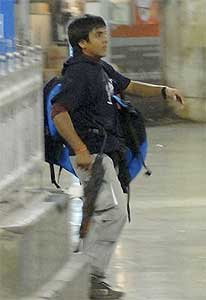


Targets and methods
Gunmen struck both crowded public places and high-profile buildings. Attacks included indiscriminate shootings at transit hubs and restaurants, coordinated assaults on luxury hotels, and a hostage situation at a small Jewish cultural centre. Assailants used automatic weapons, grenades and fire to terrorize bystanders and stall security responses, while moving between locations in small, armed teams.
Timeline and response
The violence unfolded over several days, provoking a rapid mobilization of Mumbai police, state and national anti-terror units, and later specialised commando teams. Intense firefights and prolonged sieges at hotel complexes and other sites required careful room-by-room clearance. One attacker was captured alive, which aided subsequent investigations and prosecutions.
Aftermath and significance
- Legal and investigative follow-up led to trials of detained perpetrators and international inquiries into planning and support networks.
- The attacks strained relations between India and neighbouring states, prompted intelligence reforms, and led to changes in counterterrorism preparedness and urban security planning.
- They left an enduring mark on Mumbai’s public memory and on global discussions about transnational terrorism and maritime infiltration.
Because of the complexity and impact of the events, the 2008 Mumbai attacks are widely studied as an example of multi-site urban terrorism and as a case that prompted significant changes in how cities prepare for and respond to coordinated violent incidents.
Author
AlegsaOnline.com 2008 Mumbai attacks: coordinated terrorist siege across the city Leandro Alegsa
URL: https://en.alegsaonline.com/art/133627