
2008 Democratic Party presidential primaries
The 2008 Democratic presidential primaries selected the party’s nominee through state primaries and caucuses; a historic, competitive contest between Hillary Clinton and Barack Obama that reshaped modern campaigning.
The 2008 Democratic Party presidential primaries were the process by which Democratic voters and delegates across the United States chose the party’s nominee for the 2008 presidential election. Contests took place in every state and several territories between early January and June 2008, using a mix of primary elections and caucuses. Delegates were awarded largely on a proportional basis, and a candidate needed a majority of the convention delegates—2,110 of the 4,233 total—to secure the nomination.
Image gallery
10 Images

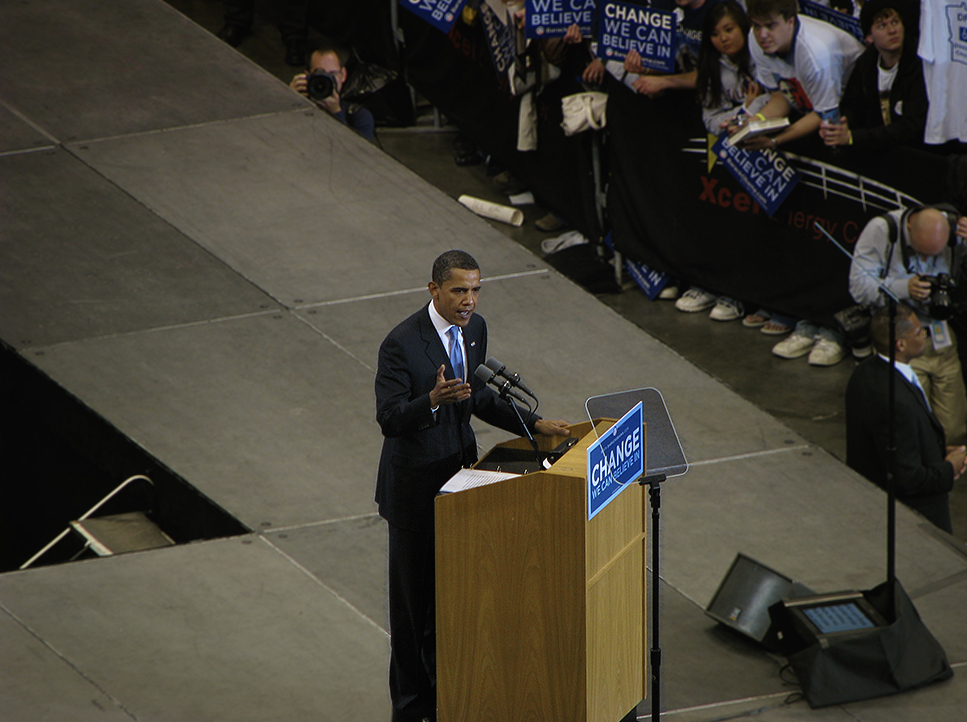


How the process worked
Delegates in 2008 fell into two broad categories: pledged delegates, who were allocated to candidates based on the results of state primaries and caucuses, and unpledged delegates (often called "superdelegates"), party leaders and elected officials who could support any candidate. The Democratic National Committee required proportional allocation of pledged delegates, generally with a 15% vote threshold to receive delegates at the statewide or congressional district level. Early contests such as the Iowa caucuses and New Hampshire primary often influenced momentum and media attention.
Major candidates and turning points
The two principal front-runners were New York Senator Hillary Clinton and Illinois Senator Barack Obama. Clinton entered the race with strong name recognition and early poll leads, while Obama, a first-term senator at the time, mounted a rapid and increasingly competitive campaign. Key early events—most notably the Iowa caucuses and the New Hampshire primary—helped reshape expectations. Momentum shifted through a sequence of state contests, including the South Carolina primary and the multi-state "Super Tuesday" contests, producing a protracted and closely watched battle for delegates.
Outcome and significance
After months of campaigning and a close delegate race, Barack Obama secured the Democratic nomination, becoming the first African-American major-party nominee for President of the United States. He went on to win the general election in November 2008. The 2008 Democratic primaries were notable for unusually high voter turnout in many states, extensive grassroots organizing, the rise of internet-based fundraising and volunteer mobilization, and intense media scrutiny of delegate math and superdelegate endorsements.
Notable characteristics and legacy
- Proportional delegate allocation and a significant superdelegate bloc made the contest dependent on cumulative state-by-state gains rather than simple winner-take-all victories.
- Campaign innovations included expanded use of digital fundraising, targeted grassroots canvassing, and new data-driven field operations that influenced later campaigns.
- The race highlighted issues of race, gender, and generational change within the Democratic coalition and prompted post-cycle discussions about primary calendar reforms and the role of superdelegates.
For historians and political observers, the 2008 Democratic primaries represent a pivotal moment in modern American politics: a long, competitive nomination fight that accelerated changes in campaigning and culminated in a historic general-election victory.
Author
AlegsaOnline.com 2008 Democratic Party presidential primaries Leandro Alegsa
URL: https://en.alegsaonline.com/art/133624