
1987 Burkinabé coup d'état
A military coup on 15 October 1987 in Ouagadougou in which Captain Blaise Compaoré seized power from President Thomas Sankara, who was killed. The event changed Burkina Faso's political direction for decades.
Overview
The 1987 Burkinabé coup d'état was a sudden seizure of power that took place on 15 October 1987 in Ouagadougou. The action was carried out by elements of the military under the leadership of Captain Blaise Compaoré against the sitting president, Thomas Sankara. Sankara, a charismatic revolutionary leader who had come to power in 1983, was killed during the coup. The intervention is commonly described as a military takeover involving the Burkina Faso Armed Forces.
Image gallery
3 Images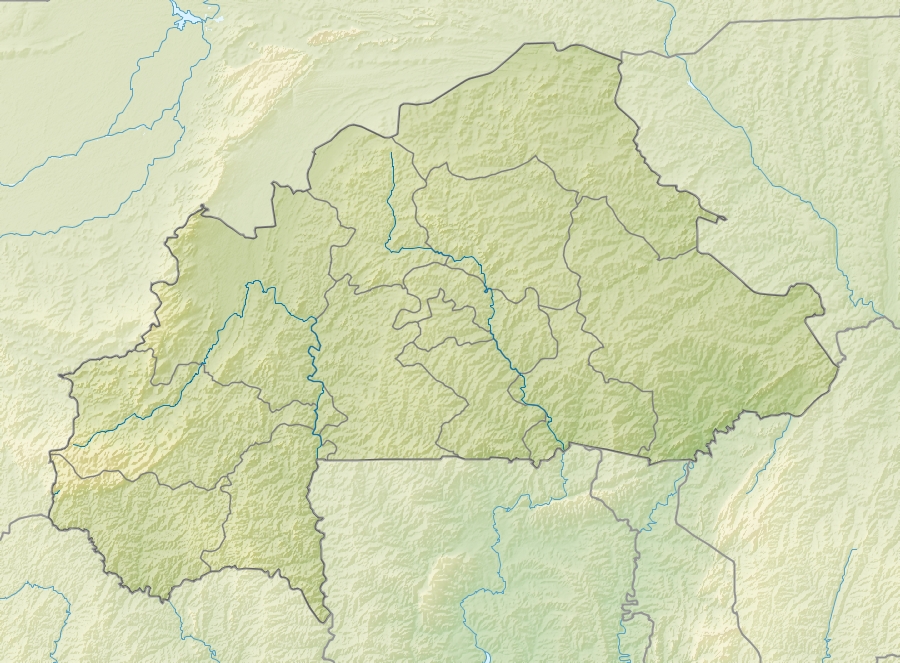


Background and causes
Thomas Sankara rose to prominence as a radical reformer who renamed the country Burkina Faso and promoted programs for public health, education, land reform, and women's rights. His policies won popular support among many urban and rural poor, while provoking resistance from conservative, economic, and some military sectors. Tensions grew over political centralization, foreign policy choices, and the pace of social change, setting the scene for confrontation within the ruling circle and the armed forces.
Course of the coup
On the morning of 15 October, units loyal to Compaoré moved against key government locations in the capital. The takeover was swift and met limited organized resistance; President Sankara and several associates were killed in circumstances that remain a focus of investigation and political controversy. The new leadership declared an end to Sankara's government and promised a change in direction.
Aftermath and consequences
Blaise Compaoré assumed control and governed for the following decades, reversing or moderating many of Sankara's policies and seeking to stabilize relations with domestic elites and foreign partners. The coup had lasting effects on Burkina Faso's political life: it ended the revolutionary experiment of the early 1980s, reconfigured party and military networks, and shaped regional diplomacy. Public memory of Sankara and debates over accountability for the 1987 killings have continued to influence politics.
Significance and legacy
The events of 1987 are frequently cited when discussing civil-military relations, transitions from revolutionary to non-revolutionary regimes, and the risks faced by rapid reformers. Sankara's reputation has grown internationally as a symbol of anti-imperialism and social reform, while the coup is studied as an example of how internal divisions and elite opposition can overturn transformational leadership. Further details and context are available through archival studies and contemporary analyses of West African politics.
Further reading
Author
AlegsaOnline.com 1987 Burkinabé coup d'état Leandro Alegsa
URL: https://en.alegsaonline.com/art/133563