
Blaise Compaoré — President of Burkina Faso (1987–2014)
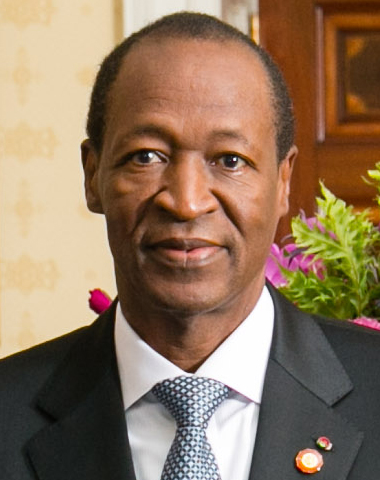
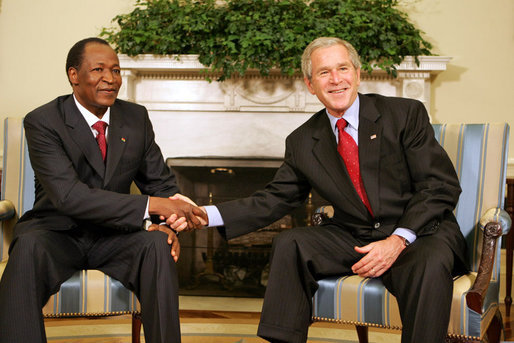
Blaise Compaoré was president of Burkina Faso from 1987 to 2014. His rule began after a 1987 coup that killed Thomas Sankara and ended amid a popular uprising over a bid to extend his presidency.
Overview
Blaise Compaoré (born 3 February 1951) is a Burkinabé politician who served as President of Burkina Faso from 1987 until his resignation in October 2014. Long a central figure in the country’s post-independence politics, Compaoré led a government that combined economic liberalization and close ties with former colonial and regional partners, while also facing persistent accusations of authoritarianism and human rights violations. His long tenure ended after mass protests against his bid to alter the constitution and remain in power.
Image gallery
9 Images



Rise to power
Compaoré was a member of the military-oriented political circle that came to prominence in Burkina Faso in the 1980s. He was one of the close associates of revolutionary leader Thomas Sankara. In October 1987 Compaoré assumed control of the state following a violent takeover that resulted in Sankara’s death. That event—often described as a coup—marked a sharp turn in the country’s leadership. Contemporary and later investigations have focused on the circumstances of Sankara’s killing and the role played by key figures in the military and political elite.
Presidency and political organization
After taking power Compaoré reorganized political institutions and in 1996 founded the Congress for Democracy and Progress (CDP), a party that became the dominant force in Burkinabé politics for years. His governments pursued market-oriented reforms, sought foreign investment, and maintained partnerships with regional neighbours and international allies. Critics charged that these policies often benefited a narrow elite and were enforced through restrictions on opposition and the press.
Key features and controversies
- Political continuity: Compaoré remained in power through several elections that international observers and opponents contested as lacking full competitiveness.
- Constitutional change: Over time Compaoré and his backers changed constitutional rules governing terms and succession, creating tensions over presidential limits and succession mechanisms.
- Human rights and accountability: Human rights groups and domestic critics accused his government of suppressing dissent, and the unresolved questions surrounding the 1987 deaths fueled demands for justice.
2014 uprising, resignation and exile
In October 2014 popular demonstrations erupted after the government proposed amendments that would have allowed Compaoré to extend his time in office. The protests, driven by civil society, trade unions and opposition forces, swelled in Ouagadougou and other cities. Faced with mass street action and the loss of elite support, Compaoré resigned on 31 October 2014. He left the country and was later reported to be living in exile in a neighbouring state, a development that raised questions about legal jurisdiction and extradition.
Legal proceedings and legacy
After his departure, transitional authorities and judicial bodies sought to investigate alleged crimes connected with the 1987 events and with the suppression of the 2014 protests. By 2021 prosecutors had announced steps toward trying members of the former government; observers noted that Compaoré could be summoned or tried in relation to these inquiries. His legacy is contested: supporters credit him with stability and economic ties that helped the state function, while critics emphasize curbs on democratic freedoms, concentration of power, and unresolved human rights questions.
Further context and notable facts
- Thomas Sankara: The 1987 takeover that brought Compaoré to power resulted in the death of Sankara, a charismatic revolutionary whose policies and image remain influential in Burkina Faso and beyond. Investigations into that killing have been a recurring political issue (assassination inquiry).
- 1987 coup: The events of October 1987 are commonly described as a coup and reshaped the country’s political trajectory (1987 coup).
- Political party: The party Compaoré established, the CDP, dominated national politics until the 2014 transition and continues to be a reference point in contemporary debates (CDP).
- Historical debates: The period of Compaoré’s rule and the circumstances of the transition are key subjects in studies of West African politics, and they remain relevant when discussing leadership, constitutionalism and accountability (related analyses).
Related articles
Author
AlegsaOnline.com Blaise Compaoré — President of Burkina Faso (1987–2014) Leandro Alegsa
URL: https://en.alegsaonline.com/art/115313
Sources
- presidence.bf : "Biographie du président"
- commons.wikimedia.orgBlaise_Compaor%C3%A9.html : Blaise Compaoré
- Blaise Compaoré