
1979 oil crisis (Second oil shock)
A global oil supply disruption and price shock triggered by the Iranian Revolution in 1979 that caused fuel shortages, price spikes and lasting economic and policy effects.
Overview
The 1979 oil crisis, often called the second oil shock, was a worldwide disruption of petroleum markets that followed the Iranian Revolution. Although the physical loss of crude output was relatively modest — global supply fell by around 4% at its peak — panic, uncertainty and constrained exports pushed prices sharply higher. Within a year the price of crude more than doubled to about $39.50 per barrel, and many countries again experienced long queues at petrol stations similar to those seen during the 1973 oil crisis.
Image gallery
5 Images



Causes and course
The immediate cause was a collapse of normal oil production and export patterns from Iran after revolutionary unrest reduced crude flows. Market psychology amplified the impact: traders, governments and companies feared further shortages and reacted by bidding up prices and increasing inventories. Unlike 1973, the 1979 event was not a formal embargo; instead it was a combination of actual production losses, distribution bottlenecks and speculative forces that together produced a severe price shock.
Economic and political effects
The sharp rise in oil costs worsened inflationary pressures in import-dependent economies and contributed to slower growth and higher unemployment in the ensuing years. Higher energy prices fed into consumer prices and raised production costs across many sectors, intensifying the period of stagflation that challenged policymakers. The crisis also strained diplomatic relations and highlighted vulnerabilities in energy security strategies.
Responses and longer-term consequences
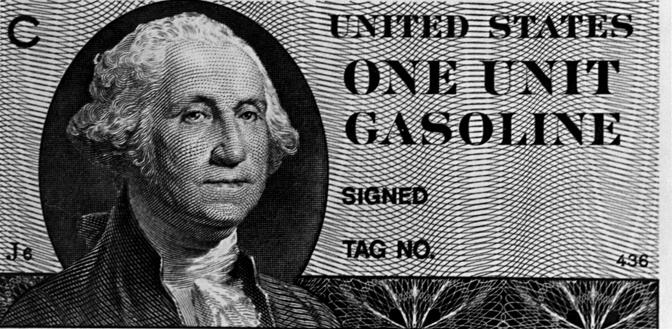
- Governments implemented conservation measures, fuel rationing in some places, and encouraged reductions in consumption.
- Policy makers accelerated efforts to diversify energy supplies, improve efficiency and expand strategic reserves.
- Investment increased in alternative sources, domestic production projects and technologies that reduced oil intensity in transport and industry.
In the United States and other industrial countries, the shock influenced vehicle fuel-efficiency standards, energy research funding and the development of new oil fields outside the Middle East, reducing some long-term dependence.
Notable facts and distinctions
Although the numerical drop in world output was comparatively small, the 1979 crisis demonstrates how fragile oil markets can be when geopolitics, market psychology and logistical limits coincide. It is distinguished from the earlier 1973 shock by its origin (revolution and production shortfalls rather than a coordinated embargo) and by the way price expectations and inventory behaviour amplified its effect. For background on the triggering events, see accounts of the Iranian Revolution.
The 1979 episode remains an important case in energy history: it shows how supply interruptions can quickly translate into economic disruption and long-lasting policy change, even when the physical reduction in crude supply is relatively limited.
Author
AlegsaOnline.com 1979 oil crisis (Second oil shock) Leandro Alegsa
URL: https://en.alegsaonline.com/art/133548