
1972 Pacific hurricane season
The 1972 Pacific hurricane season ran May 15–November 30 in the eastern Pacific and June 1–November 30 in the central Pacific. It produced 12 tropical cyclones, including 8 hurricanes and 4 major hurricanes.
Overview
The 1972 Pacific hurricane season officially began in the east Pacific on May 15 and in the central Pacific on June 1, both in 1972. The conventionally defined season ended on November 30, 1972. These dates mark the period when most tropical cyclones form in the eastern and central North Pacific basin and are used for climatological comparisons.
Image gallery
10 Images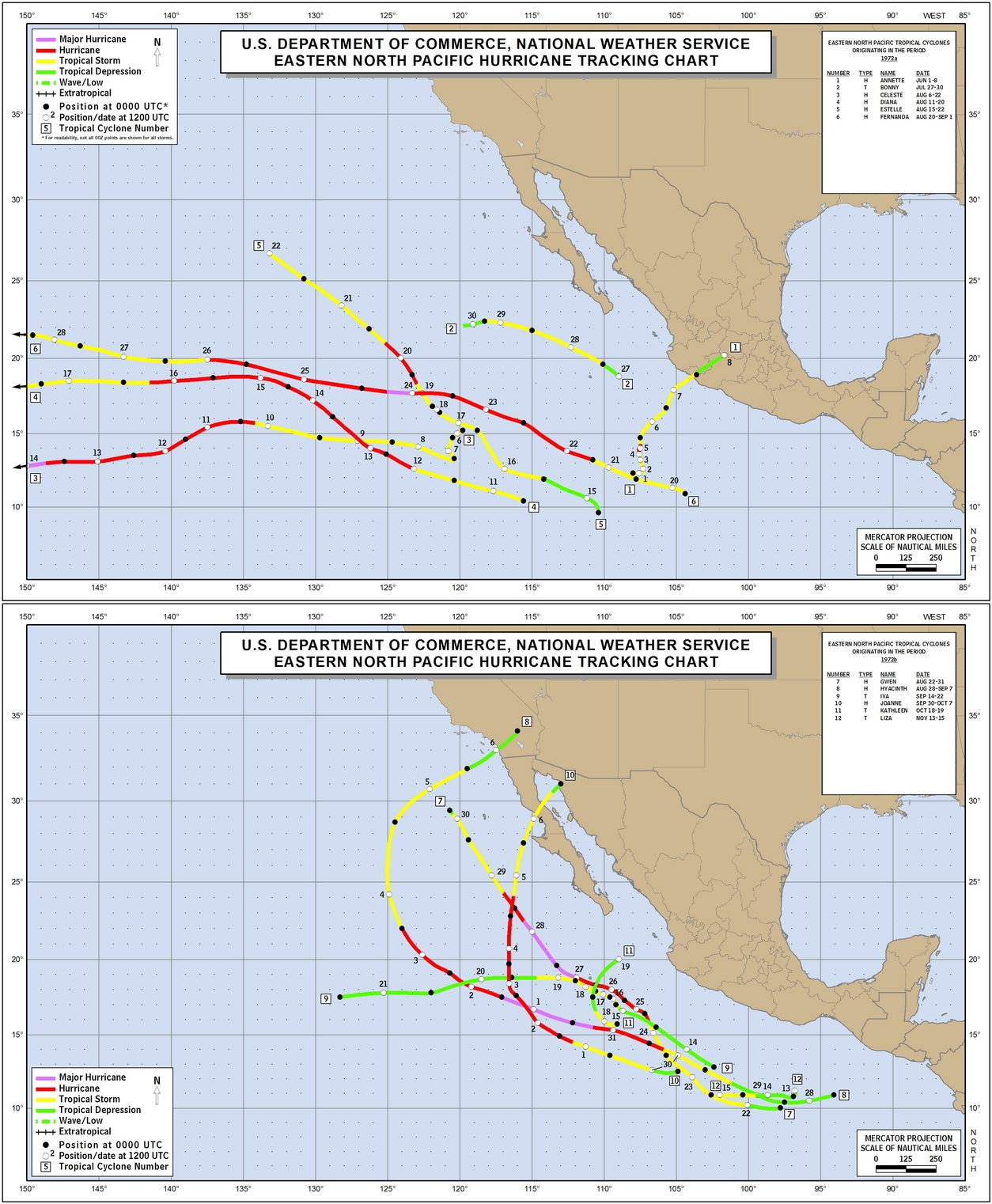


Season statistics and notable features
The season was below the long-term average in activity. Over the basin there were twelve tropical cyclones in total. Of these, four became tropical storms, eight intensified to hurricane strength, and four reached major hurricane intensity (Category 3 or higher on the Saffir–Simpson scale). In the central Pacific specifically, two tropical storms and two tropical depressions were recorded; one of the depressions and one of the tropical storms tracked westward across the International Date Line and were reclassified as typhoons by western Pacific agencies.
Classification and behavior
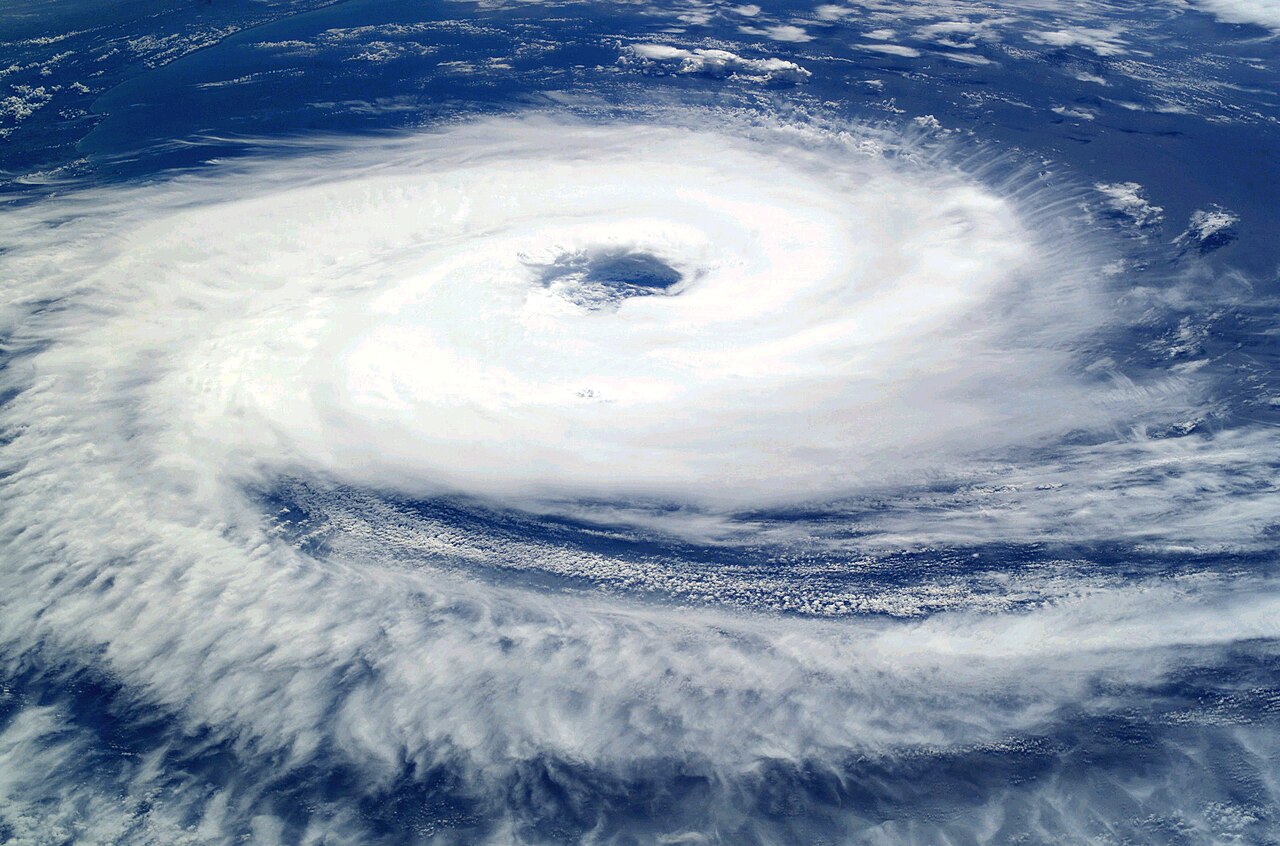
Tropical cyclones in this region are categorized by their maximum sustained winds. The Saffir–Simpson scale groups hurricanes into five categories; Category 3 and above are considered major because of their potential for significant destructive winds and surge. The designation "typhoon" applies to the same type of system once it moves west of the Date Line into the western North Pacific, which is why some systems were renamed after crossing that meridian.
Meteorological context
Pacific hurricane seasons vary from year to year depending on large-scale oceanic and atmospheric factors. Sea surface temperatures, vertical wind shear, and broad-scale patterns such as El Niño/La Niña and intraseasonal oscillations influence the number, strength, and tracks of storms. Many eastern Pacific hurricanes remain over open water because prevailing steering currents take systems away from land; however, coastal Mexico, the Baja California peninsula and Central America are periodically affected when storms recurvate or form closer to shore.
Importance and historical notes
Although the 1972 season had fewer systems than average, the occurrence of multiple major hurricanes highlights that lower storm counts do not preclude high-intensity events. The cross-basin movements in the central Pacific are noteworthy because they demonstrate how a single storm can be handled by different meteorological agencies and recorded under different regional naming conventions. For reference and further reading, meteorological archives and basin summaries provide detailed track and intensity data.
Quick facts
- Season window: May 15 – November 30 (1972).
- Total tropical cyclones: 12 (4 tropical storms, 8 hurricanes).
- Major hurricanes (Category 3+): 4.
- Central Pacific activity: 2 tropical storms and 2 depressions; one storm and one depression crossed the Date Line and became typhoons.
- For definitions and general cyclone science see regional summaries and tropical cyclone guides: east Pacific resources and broader tropical cyclone references (tropical cyclone terminology).
Author
AlegsaOnline.com 1972 Pacific hurricane season Leandro Alegsa
URL: https://en.alegsaonline.com/art/133536