
1970 Georgia gubernatorial election
A detailed overview of the 1970 gubernatorial race in Georgia, which brought Jimmy Carter to the governorship and influenced his later presidential bid, plus political context and notable facts.
The 1970 Georgia gubernatorial election, held on November 3, 1970, produced a surprising rise for a little-known politician who would later become a national figure. Former state senator and peanut farmer Jimmy Carter won the Democratic nomination in a hard-fought contest and went on to win the general election, beginning his statewide executive career and setting the stage for his successful 1976 presidential campaign.
Image gallery
3 Images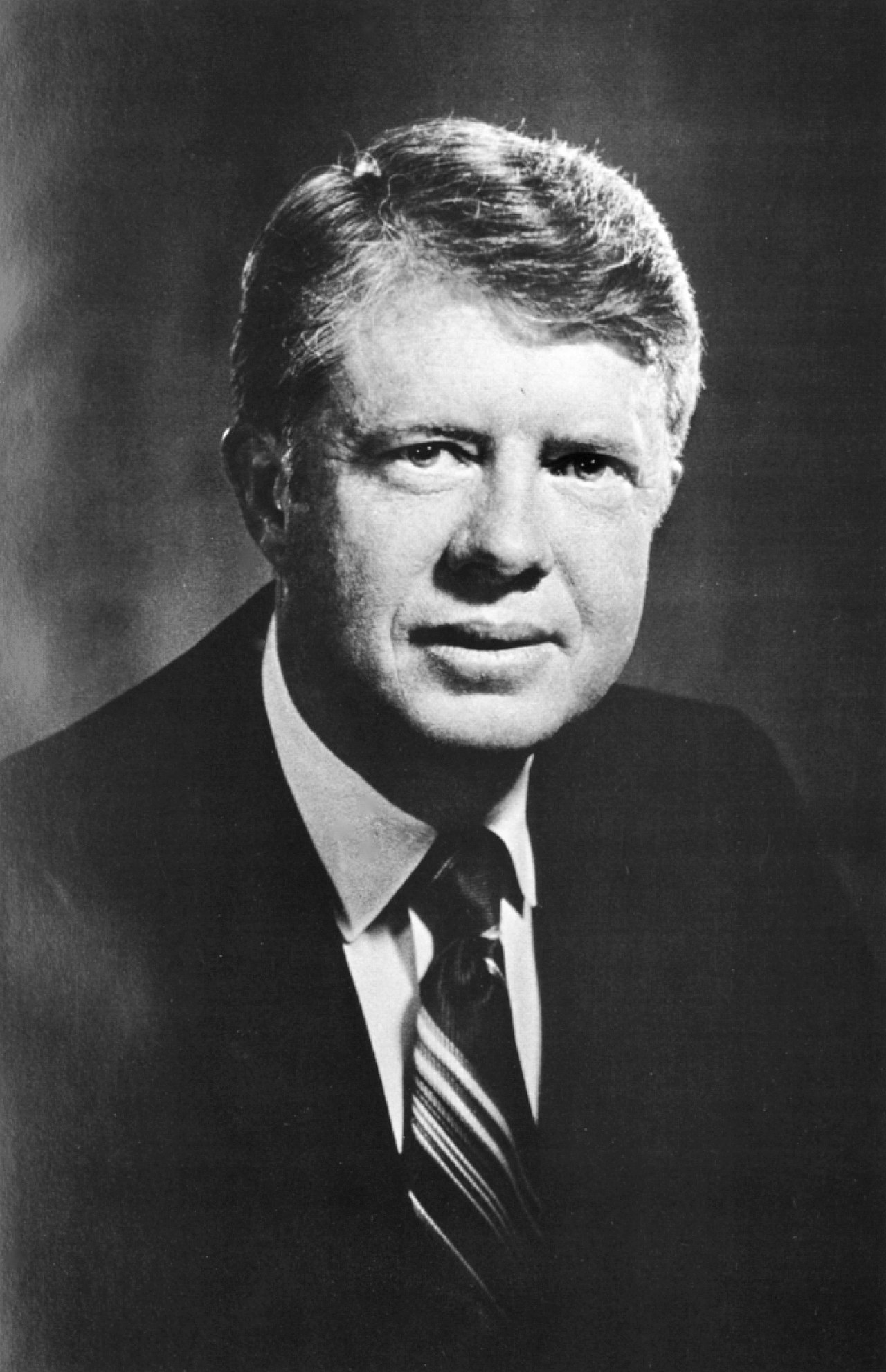


Background and Democratic primary
Georgia in 1970 was a state in political transition. Long dominated by the Democratic Party, it was confronting questions about modernization, government reorganization, education funding, and the ongoing social changes of the civil rights era. Carter ran as a reform-minded outsider who criticized the existing state bureaucracy and promised efficient, honest government. He emerged from a crowded Democratic field that required a runoff to decide the nominee, demonstrating his ability to build coalitions across urban and rural areas and to appeal to voters seeking change.
General election and campaign themes
In the general election Carter faced a Republican opponent and campaigned on issues such as governmental reorganization, improved public services, and the need for transparent leadership. His message of modernization and administrative reform appealed to many Georgians who wanted pragmatic solutions rather than ideological confrontation. The campaign also reflected the broader partisan shifts taking place in the South as Republicans became more competitive at statewide levels.
Aftermath and significance
As governor, Carter pursued reorganization of state government, efforts to strengthen education and mental health services, and administrative reforms—positions that he would later highlight during his successful run for president in 1976 (see 1976 campaign). His style and policy focus led commentators to identify him with a cohort sometimes called "New South" governors: officials who emphasized modernization, economic development, and more moderate racial politics compared with earlier eras.
Notable facts and legacy
- The election date was November 3, 1970; the contest launched Carter’s trajectory from state office to the White House.
- Carter had been a relatively obscure figure before the race, serving in the state senate and operating a family farm; his victory demonstrated the potency of an outsider, reform message.
- As of 2022, this race is reported to be the last occasion when Fulton County voted for the Republican candidate in a Georgia gubernatorial contest; the county’s political alignment has since shifted (Fulton County).
- For one contemporary account of party dynamics and the primary process, see materials on the Democratic primary (Democratic primary).
While the 1970 election did not attract the intense national attention that Carter’s later presidential efforts would, it remains an important episode in Georgia political history: a turning point for an individual who used state office to craft a reform record and ultimately appeal to a national electorate.
Author
AlegsaOnline.com 1970 Georgia gubernatorial election Leandro Alegsa
URL: https://en.alegsaonline.com/art/133534