
1970 Atlantic hurricane season
The 1970 Atlantic hurricane season ran June 1–November 30, 1970. It included several notable storms, most prominently Hurricane Celia and Tropical Storm Dorothy, which caused significant loss of life and property damage.
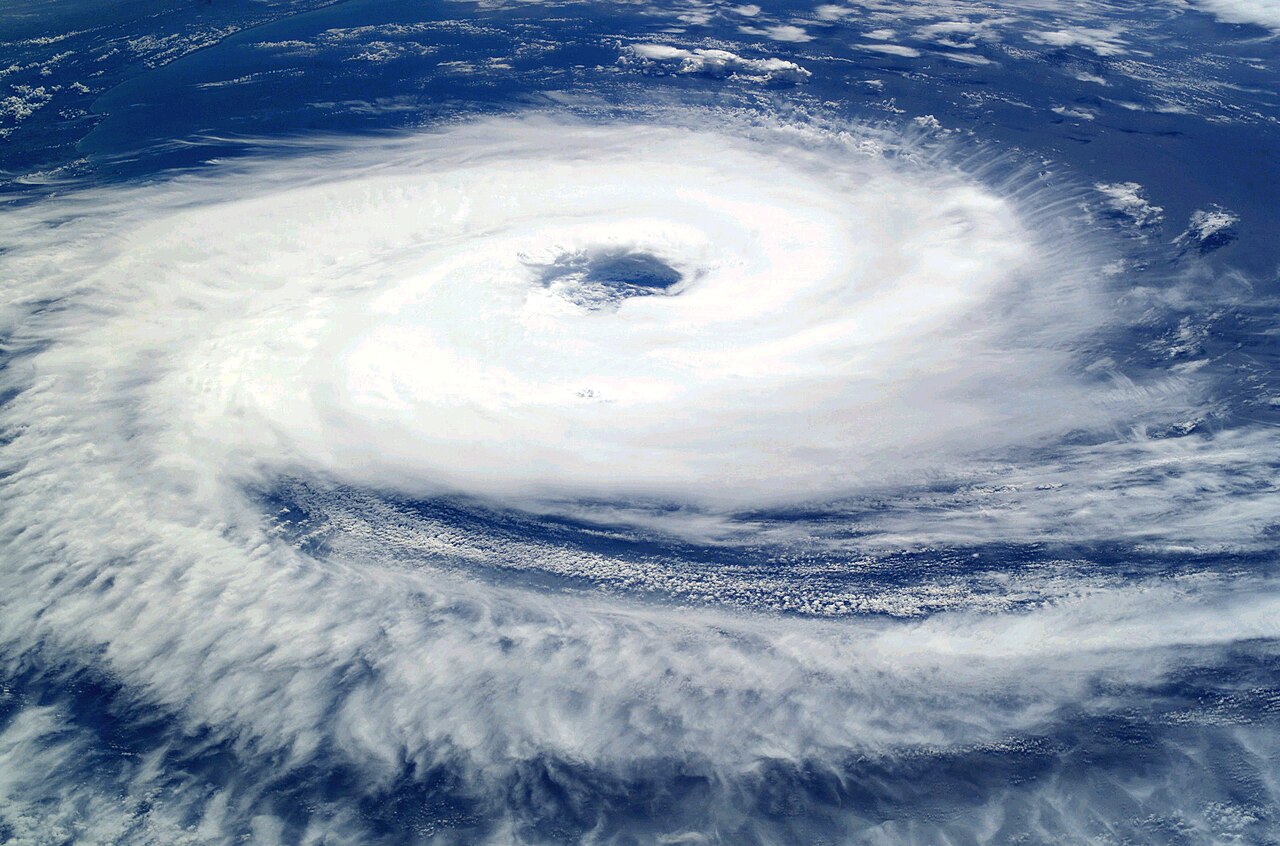
The 1970 Atlantic hurricane season was the period in 1970 when tropical cyclones formed in the Atlantic basin. The season officially began on June 1 and ended on November 30. Storm activity that year ranged from short-lived tropical depressions to powerful hurricanes that produced wind damage, storm surge and heavy rainfall across parts of the Caribbean, Gulf of Mexico and mainland United States.
Image gallery
10 Images




Notable storms and impacts
- Hurricane Celia — One of the season's most destructive systems, Celia struck the Gulf Coast and caused severe property damage and multiple fatalities. It is remembered for its rapid intensification and for producing strong winds and widespread destruction in coastal communities.
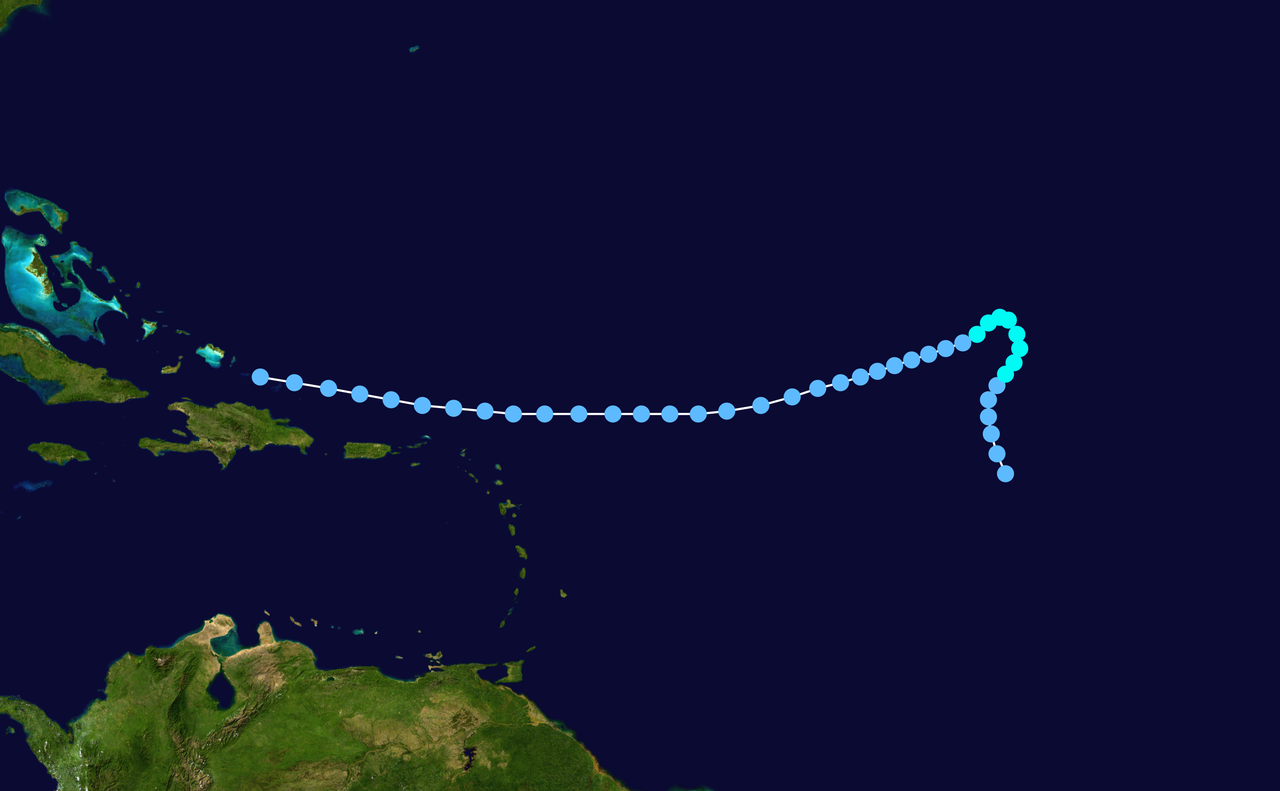
- Tropical Storm Dorothy — Although classified as a tropical storm, Dorothy was deadly in the Lesser Antilles. The greatest loss of life occurred on the island of Martinique, where intense rainfall triggered floods and landslides that accounted for the majority of the storm's fatalities.
Characteristics and meteorology
Storms in 1970 exhibited the typical hazards of Atlantic tropical cyclones: high winds, coastal surge, intense rainfall and inland flooding. By 1970 meteorological monitoring relied on a combination of ship and aircraft reconnaissance, ground observations and satellite imagery, which by then was improving forecasters' ability to track systems and issue warnings. Naming conventions at the time used female names only; mixed-name lists were adopted later in the decade.
Historical context and response
The season occurred during an era when emergency management and building standards were evolving in response to repeated storm losses. Local and national authorities used post-storm assessments to improve evacuation planning, flood control and public awareness. The human toll from storms like Dorothy underscored the vulnerability of hilly Caribbean islands to rain-induced landslides.
Legacy and notable facts
Although not the most active season on record, 1970 is remembered for several impactful storms whose consequences shaped regional preparedness. Researchers and emergency planners reference seasons such as 1970 when studying how forecast communication, infrastructure resilience and land-use practices reduce risk. For general background on tropical cyclone behavior see tropical cyclone resources and materials about the Atlantic Ocean hurricane basin.
Author
AlegsaOnline.com 1970 Atlantic hurricane season Leandro Alegsa
URL: https://en.alegsaonline.com/art/133533