
Energy crises of the 1970s
A concise overview of the global energy shortages and price shocks of the 1970s, their causes, major episodes, policy responses, and lasting effects on energy markets and conservation.
Overview
The energy crises of the 1970s were a series of severe supply disruptions and price spikes that affected much of the industrialized world. Countries in North America, Western Europe, Australia and New Zealand experienced fuel shortages, long lines at service stations and sudden inflationary pressure. The term commonly refers to two acute episodes in 1973 and 1979 that crystallized a longer period of market volatility and geopolitical risk surrounding petroleum.
Image gallery
6 Images


Causes and characteristics
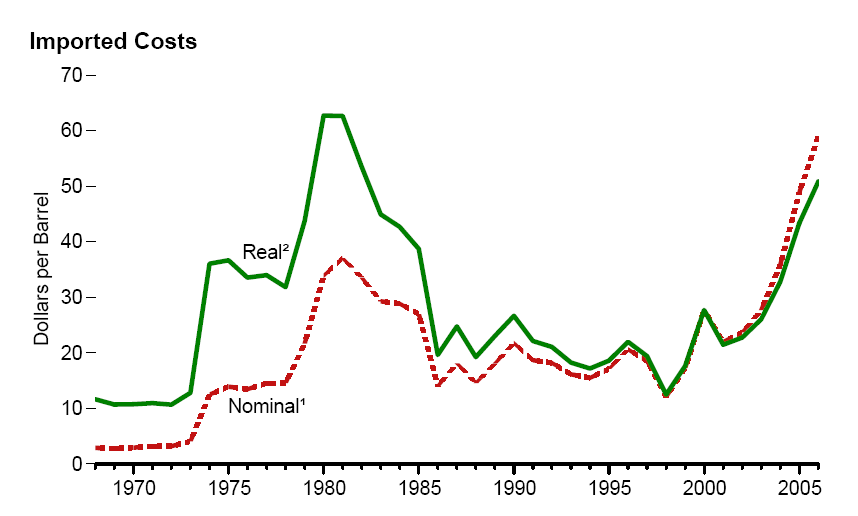
At their core the crises reflected the concentration of global oil production and export capacity in a politically sensitive region and the limited spare production capacity available to absorb shocks. Markets reacted not only to physical restrictions on shipments but to shifts in expectations and the cost of importing crude and refined products. The period combined supply interruptions with sharply rising prices paid by importing countries and widespread public attention to energy security and conservation (supply factors, price effects).
Major events
The first major shock in 1973 followed the Yom Kippur War and an oil producers' export curtailment by several states, which is often labeled the 1973 oil crisis (1973 crisis, Yom Kippur War). The second notable disruption in 1979 coincided with the Iranian Revolution that altered exports and market confidence (1979 crisis). Each episode had its own triggers but both amplified awareness of dependence on imported crude.
Consequences and impacts
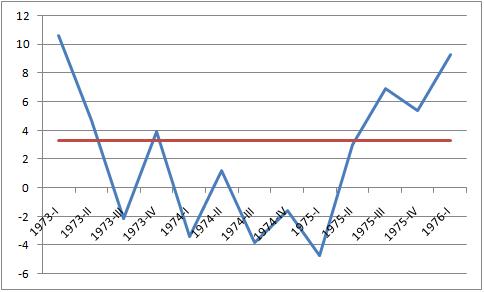
- Economic: Higher energy costs contributed to inflation and slowed economic growth in many importing countries.
- Social: Consumers faced rationing, fuel lines and greater attention to household energy use.
- Policy: Governments pursued stockpiling, price controls, and measures to reduce vulnerability.
Responses and longer-term effects
Policy responses combined short-term management with longer-term shifts: creation or expansion of strategic petroleum reserves, investment in alternative energy research, improvements in fuel efficiency standards for vehicles, and diversification of supply sources. Some changes were institutional — such as new mechanisms for international energy cooperation — while others altered consumer behavior and investment patterns.
Legacy and notable facts
The 1970s crises reshaped how governments and businesses think about energy risk. They helped spur advances in efficiency, new energy technologies and a more active role for strategic reserves. Lessons from the decade remain relevant for understanding how geopolitical events, market structure and expectations interact to create systemic risk in energy markets.
For further background and primary sources consult general summaries and archival materials (supply reports, economic analyses, historical timelines, conflict records, regional histories).
Author
AlegsaOnline.com Energy crises of the 1970s Leandro Alegsa
URL: https://en.alegsaonline.com/art/133532