
1947 Fort Lauderdale hurricane
A major Atlantic hurricane in September 1947 that struck the Bahamas, southern Florida and the U.S. Gulf Coast; notable for reaching Category 5 intensity and causing dozens of fatalities.
Overview
The Fort Lauderdale hurricane of 1947 was a powerful Atlantic storm that affected the Bahamas, southern Florida and parts of the United States Gulf Coast in mid-September 1947. At peak strength the system produced sustained winds near 160 miles per hour, classifying it among storms that reached Category 5 intensity. The cyclone moved across the Bahamas before making landfall in Florida and later progressed into the central Gulf Coast region.
Image gallery
10 Images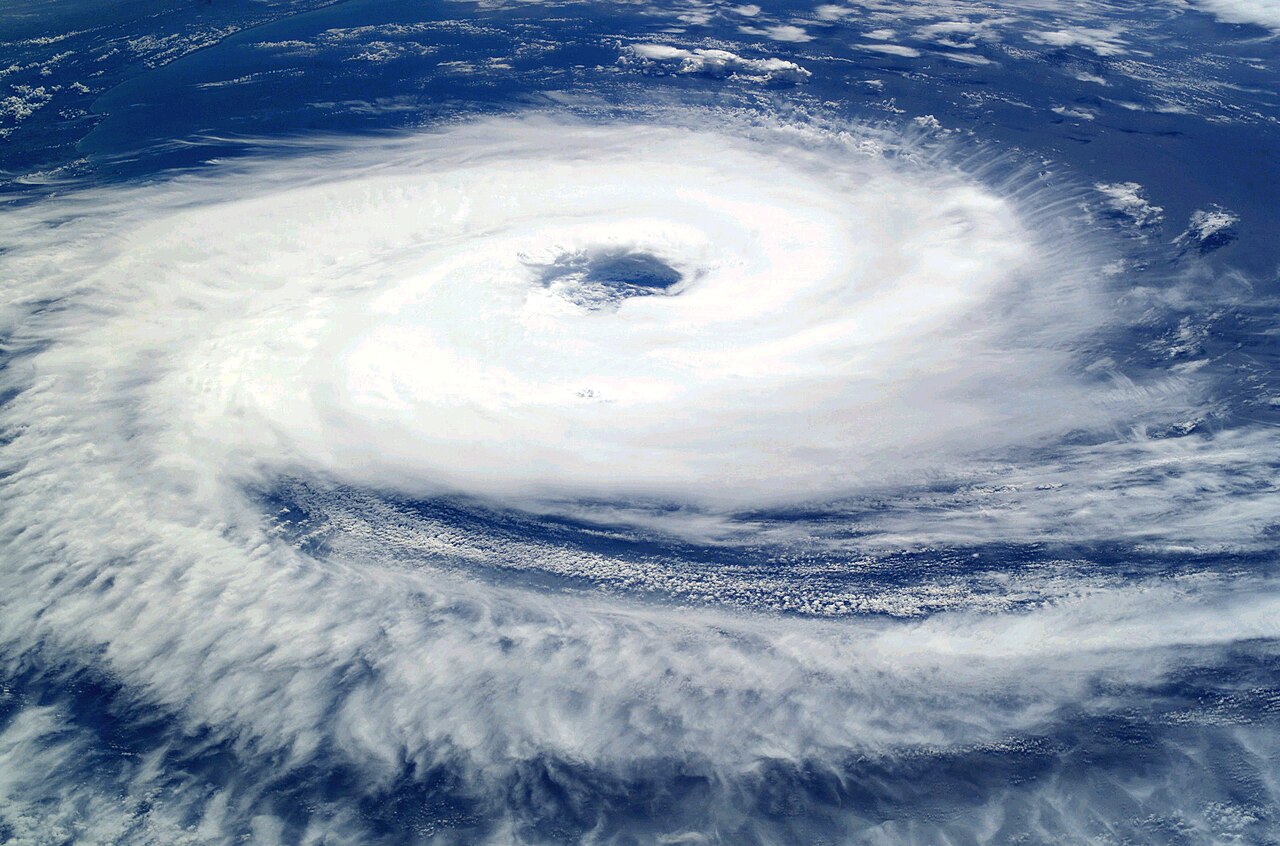


Meteorological history and characteristics
The hurricane first impacted the northern Bahamas on September 16 and approached southern Florida two days later. Its maximum measured winds were reported at roughly 160 mph, consistent with Category 5 status on the Saffir–Simpson scale. After crossing Florida on September 18 the system continued inland and cut into Louisiana on September 18–19, while also producing significant effects in neighboring states. Observations from this era were limited compared with today’s satellite and radar era, so some details of intensity and structure are reconstructed from ship reports, reconnaissance flights and ground observations.
Areas affected
- Bahamas — initial strike and storm surge impacts
- Southern Florida — landfall and wind damage, including the Fort Lauderdale area
- U.S. Gulf Coast — surge, flooding and wind as the storm moved inland
- Louisiana and Mississippi — inland impacts, flooding and casualties
Impact and human toll
Contemporary reports place the overall death toll at about 51 people. In Florida the number of reported fatalities ranged between approximately 12 and 19, while communities along the Gulf Coast suffered roughly 34 deaths. Beyond loss of life, the hurricane caused widespread damage to homes, businesses, agriculture and coastal infrastructure; boats and piers were heavily affected by strong winds and storm surge. Power and communications were disrupted in many areas, complicating early relief and recovery efforts.
Aftermath and significance
The 1947 Fort Lauderdale hurricane is remembered both for its intensity and for occurring during a time when meteorological monitoring was less comprehensive than today. The event emphasized the vulnerability of low-lying coastal areas in the southeastern United States and contributed to ongoing improvements in forecasting, storm reporting and emergency response practices in the decades that followed.
Notable facts
- Peak winds near 160 mph placed the storm at the highest category on the Saffir–Simpson scale at that time.
- Its track included a sequence of impacts across island, peninsular and Gulf Coast regions within a few days.
- Records and damage assessments from 1947 rely heavily on surface observations and post-storm surveys rather than continuous satellite records.
Author
AlegsaOnline.com 1947 Fort Lauderdale hurricane Leandro Alegsa
URL: https://en.alegsaonline.com/art/133517