
1893 Sea Islands hurricane
A powerful late‑August 1893 hurricane that struck the Sea Islands at the Georgia–South Carolina border, a Category 3 storm whose storm surge caused most of the estimated 1,000–2,000 fatalities.
Overview
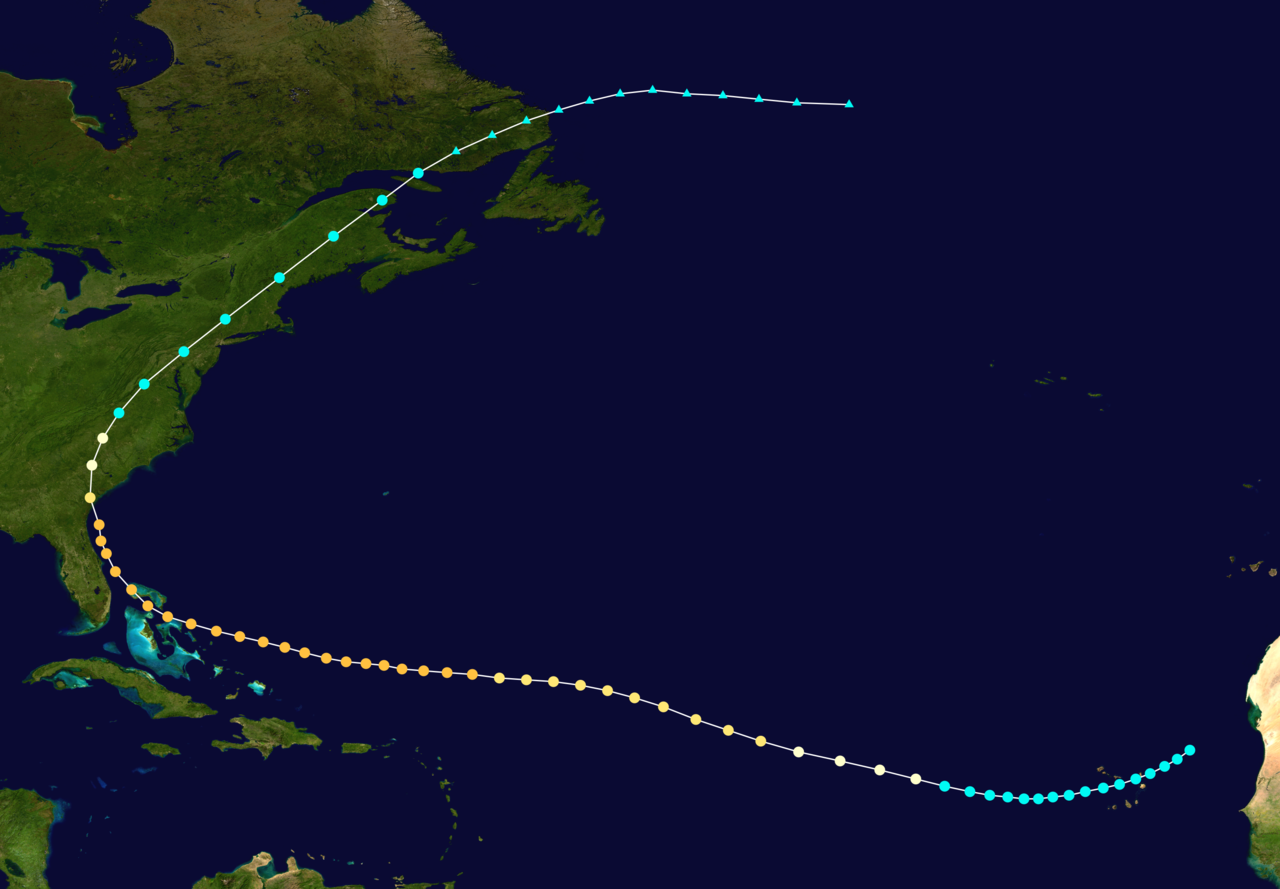
The 1893 Sea Islands hurricane was a large and deadly tropical cyclone that made landfall on the Sea Islands near the Georgia–South Carolina state line in late August 1893. It is commonly described as a Category 3 event on the Saffir–Simpson scale with sustained winds estimated near 120 mph. Contemporary and modern accounts emphasize the catastrophic storm surge and widespread inundation that accounted for the majority of deaths and destruction. For general storm data see storm summary.
Image gallery
10 Images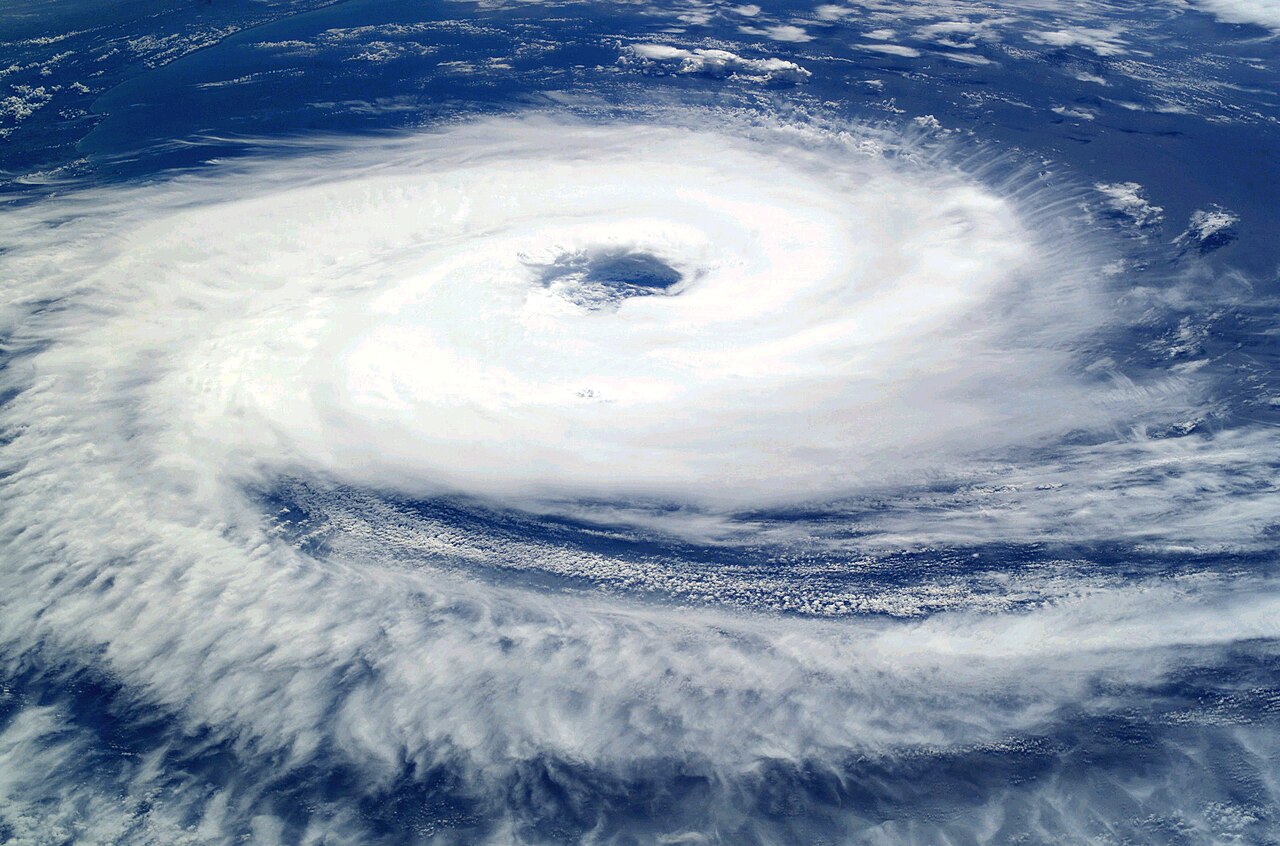




Meteorological characteristics
Available observations from ships and coastal stations are limited, so many details are reconstructed from reports and barograph readings. The storm is characterized by intense winds, heavy rain, and a rapid rise of coastal waters. The Category 3 designation is a modern, retrospective assessment; the storm's strongest winds were sufficient to cause severe structural damage on low-lying barrier islands and to uproot trees and utility infrastructure.
Impact and casualties
The hurricane struck the Sea Islands and adjacent mainland around the Georgia and South Carolina coastal border, devastating island communities and agricultural areas. The combination of high winds and, especially, a powerful storm surge inundated communities, destroyed homes, and drowned many residents. Fatality estimates range from about 1,000 to 2,000 people, making the event one of the deadliest U.S. coastal storms of the 19th century. Local effects were recorded near Georgia and South Carolina, where entire settlements on the islands suffered severe damage.
Aftermath and recovery
Relief efforts included aid from nearby cities, churches, and charitable organizations. Survivors faced immediate needs for shelter, food, and medical care, and the loss of crops and livestock prolonged economic hardship. Reports from the aftermath describe both organized assistance and instances where displaced families—many of whom were African American tenant farmers and freedpeople living on the Sea Islands—lost land or saw their property rights undermined during recovery.
Legacy and notable facts
- The storm surge was the primary killer in this event; for context on how surges cause coastal flooding see storm surge.
- The hurricane is part of a pattern of destructive 19th‑century Gulf and Atlantic storms that prompted gradual improvements in forecasting and preparedness.
- Its human and social impacts—particularly on vulnerable island communities—are still studied in discussions of disaster response, racial and economic inequality, and coastal vulnerability.
While precise meteorological data remain limited compared with modern storms, the 1893 Sea Islands hurricane is remembered for the suddenness of inundation, the scale of human loss, and the long-term disruption to the Sea Islands' communities and economy.
Author
AlegsaOnline.com 1893 Sea Islands hurricane Leandro Alegsa
URL: https://en.alegsaonline.com/art/133504