
1570 Concepción earthquake
A major seismic event on 8 February 1570 that destroyed the colonial town of Concepción (Chile), produced a tsunami and months of aftershocks; one of the earliest recorded earthquakes in Chilean colonial chronicles.
Overview
The 1570 Concepción earthquake struck on 8 February at about 9:00 local time (13:00 UTC). Contemporary colonial accounts report that the shock destroyed the settlement of Concepción and generated a tsunami. Aftershocks were felt for months, and chroniclers of the period documented the event as one of the significant early calamities in the Captaincy General of Chile.
Image gallery
4 Images

Causes and seismic setting
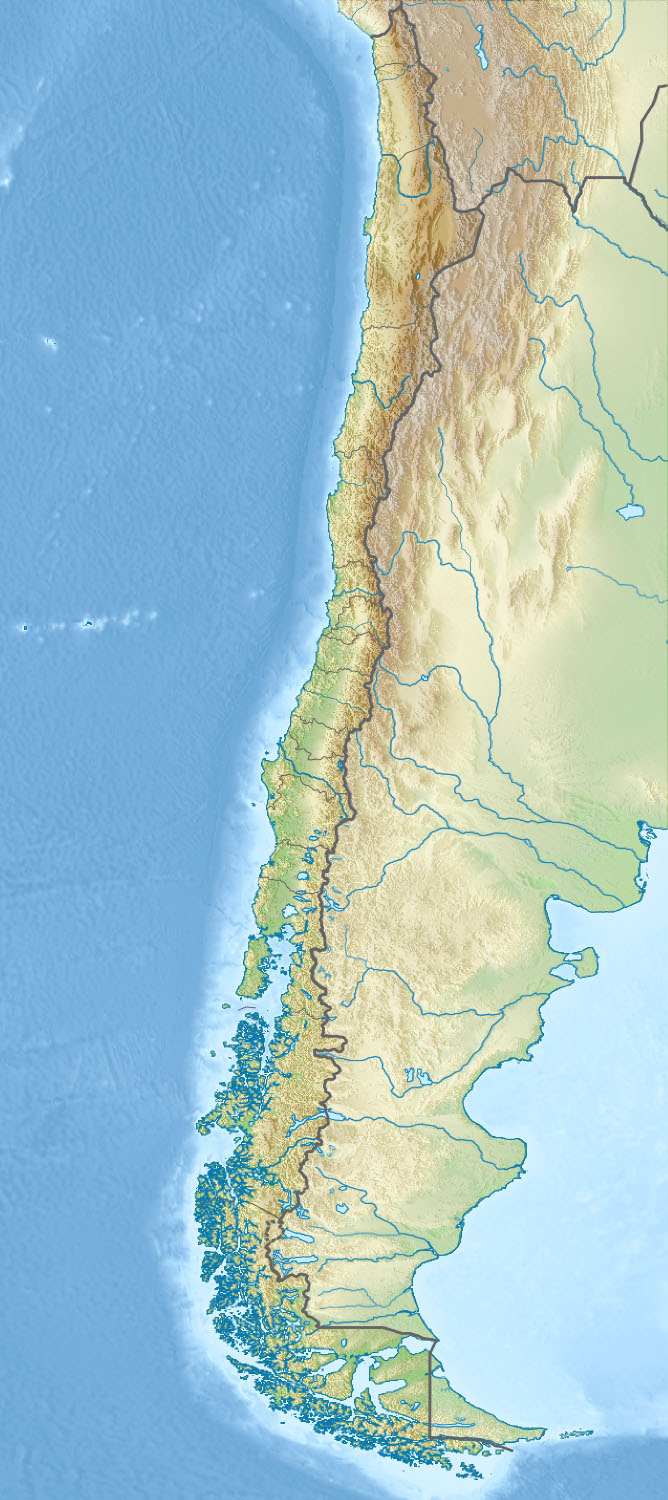
Concepción lies along the active South American margin, where the oceanic Nazca Plate subducts beneath the continental South American Plate. This tectonic setting produces frequent large earthquakes and tsunamis along Chile's coast. While modern instrumental parameters (such as magnitude) do not exist for the 1570 event, the combination of coastal destruction and wave reports is consistent with a large subduction-zone shock.
Impact and immediate effects
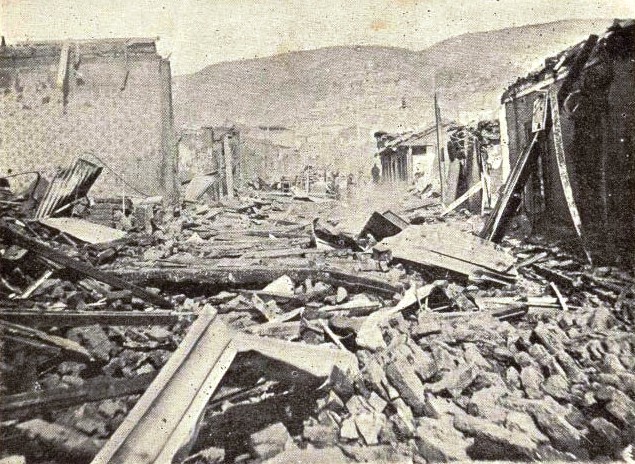
Reports indicate the town was destroyed and that a tsunami inundated parts of the shoreline. Many structures of the Spanish colonial settlement were damaged or lost, and survivors recorded strong and repeated aftershocks. The event disrupted local administration, commerce and the lives of both Spanish settlers and indigenous communities in the region. Period narratives and later summaries remain primary sources for reconstructing the sequence of destruction; see contemporary accounts and compilations for details (chronicle).
Aftermath, reconstruction and significance
In the years after the earthquake authorities and residents undertook rebuilding efforts, sometimes relocating or reinforcing construction in response to seismic risk. The 1570 shock is often cited in historical studies as an early example of the persistent seismic hazard in south-central Chile and as part of a long record of earthquakes that influenced urban development and colonial policy. For background on the town affected, see Concepción, and for references to the tsunami impact consult tsunami reports.
Notable facts
- The 1570 earthquake is among the earliest well-documented seismic events in colonial Chilean records.
- It combined strong ground shaking with a tsunami and prolonged aftershock activity.
- The event illustrates the long-term pattern of large subduction earthquakes that shape Chile’s coastline and settlements.
Further reading: historians and seismologists reconstruct the event from colonial chronicles, archaeological evidence and comparisons with later, instrumentally recorded earthquakes in the region to understand its intensity and consequences.
Author
AlegsaOnline.com 1570 Concepción earthquake Leandro Alegsa
URL: https://en.alegsaonline.com/art/133479