
...Baby One More Time (song)
Debut single by Britney Spears from her album ...Baby One More Time. Written by Max Martin, it topped charts worldwide, featured an iconic schoolgirl video and helped launch late-1990s teen pop.
"...Baby One More Time" is the debut single by Britney Spears, issued in 1998 as the lead track from her first studio album of the same name. The song established Spears as a major pop artist and reached number one on the Billboard Hot 100 and in several other countries. Its catchy hook, dramatic piano line and polished pop production made it emblematic of the late‑1990s teen pop revival.
Image gallery
6 Images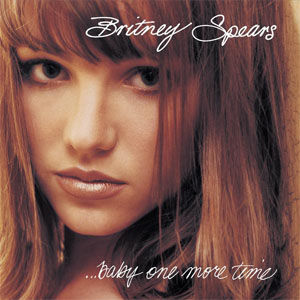


Writing and production
The track was written and produced by Swedish songwriter-producer Max Martin. Martin created a simple, memorable melody and a tight pop arrangement intended for radio play. Early in development the song was offered to an R&B group but ultimately reached Spears; the track has since been associated primarily with her voice and image. The lyric’s repeated line "Hit me, baby, one more time" attracted attention and some debate over its phrasing; commentators have noted that in pop usage "hit me" can be colloquial for "contact me" or "give me another" rather than a literal instruction.
Release and chart performance
Released as the album’s lead single, the song achieved rapid commercial success. It topped multiple national charts and became one of the defining singles of 1998–1999, propelling Spears from a newcomer into international stardom. The single also earned award nominations and remains frequently cited in lists of influential pop songs from the period.
Music video and image
The music video, directed by Nigel Dick, featured Spears in a stylized school uniform performing choreography in a high‑school setting; it quickly became iconic and helped shape her early public persona. The visual presentation—mixing innocence with confident performance—was widely discussed in media and contributed to the single’s cultural impact.
Legacy and impact
"...Baby One More Time" is credited with revitalizing mainstream teen pop and influencing a wave of late‑1990s and early‑2000s pop releases. It has been covered and referenced by numerous artists and appears frequently in retrospectives of pop music. The song also helped launch producers and songwriters associated with the Swedish pop scene into broader prominence.
Notable facts
- Written and produced by Max Martin.
- Originally pitched to the R&B group TLC, who declined the track.
- Issued as the lead single from Spears’s debut album.
- Video image—school uniform—became widely recognized and imitated.
- Reached number one on the Billboard Hot 100 and other national charts.
More detailed coverage of the song’s recording sessions, chart runs, and cultural reception can be consulted through contemporary music archives and artist biographies. The song remains a frequent reference point in discussions of pop music at the turn of the 21st century.
Author
AlegsaOnline.com ...Baby One More Time (song) Leandro Alegsa
URL: https://en.alegsaonline.com/art/133384