
Ōiso: coastal town in Kanagawa Prefecture, Japan
Ōiso is a seaside town in Kanagawa Prefecture on Honshū, known for its beaches, historical role on the Tōkaidō route, mild climate, and a mix of tourism, fishing and commuter residential life.
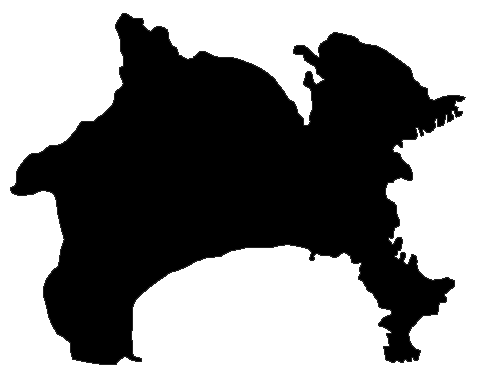
Ōiso is a coastal town in Japan, located within Kanagawa Prefecture on the island of Honshū. It is administered as a small municipal community and commonly described as a town rather than a city. Positioned along Sagami Bay, Ōiso combines seaside recreation, historical streets, and residential neighborhoods that serve both local families and people who commute to larger urban centers.
Image gallery
5 Images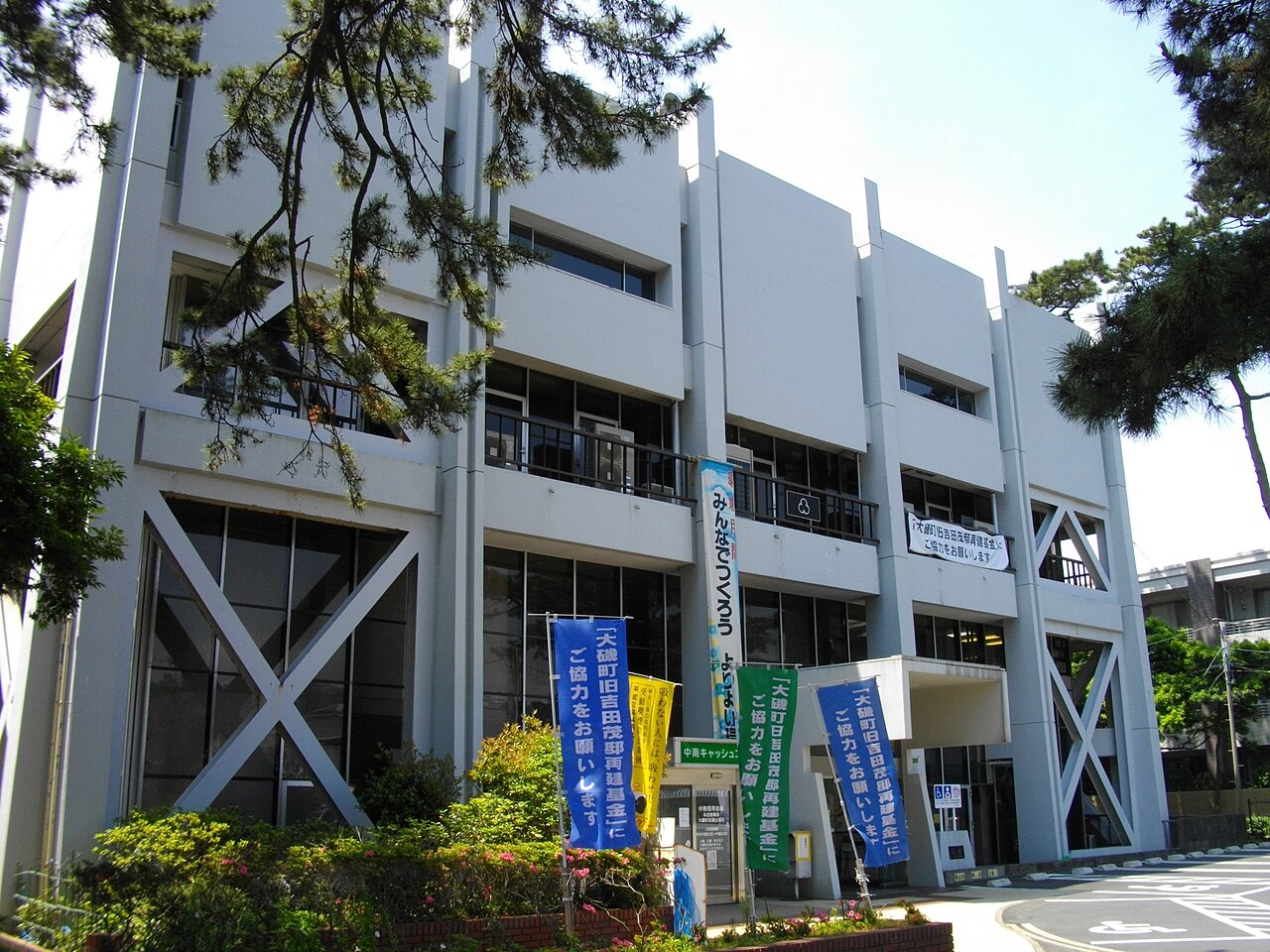

Geography and transport
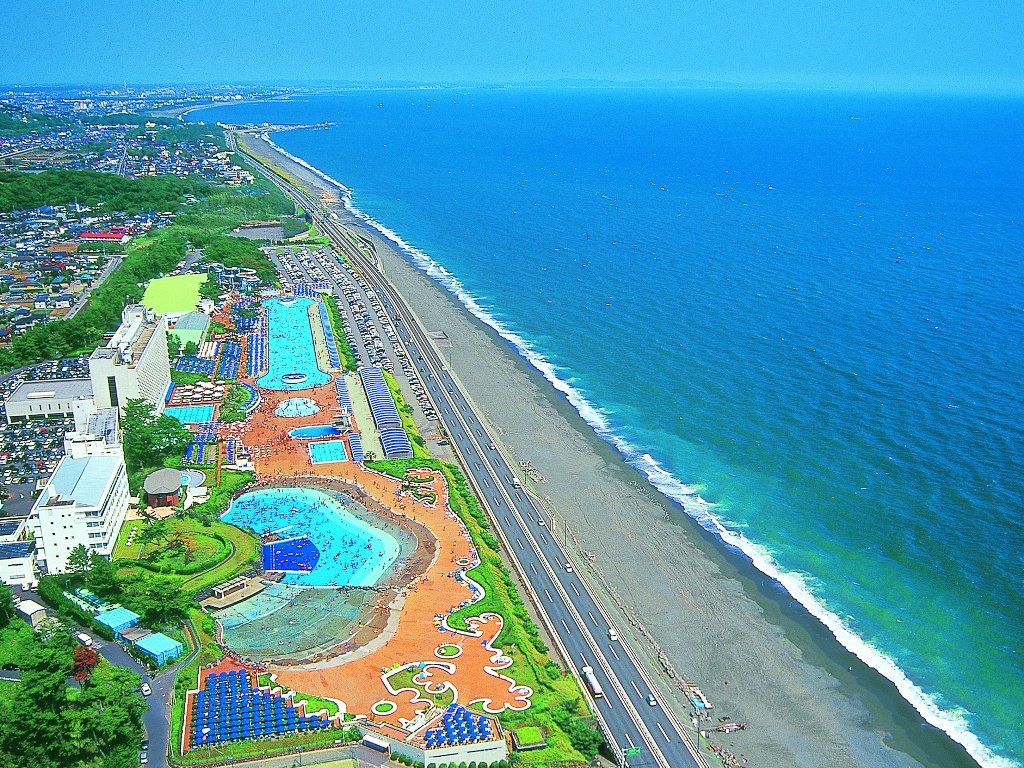
Ōiso occupies a narrow coastal plain with the sea to the south and low hills rising inland. The shoreline, beaches and pine-lined promenades are prominent features that shape local leisure and landscape. Transport links are oriented along the Pacific coast corridor, with rail and road connections providing access to nearby cities along the historic Tōkaidō route and the greater Tokyo region. These connections make Ōiso both a weekend destination and a bedroom community for commuters.
History and development
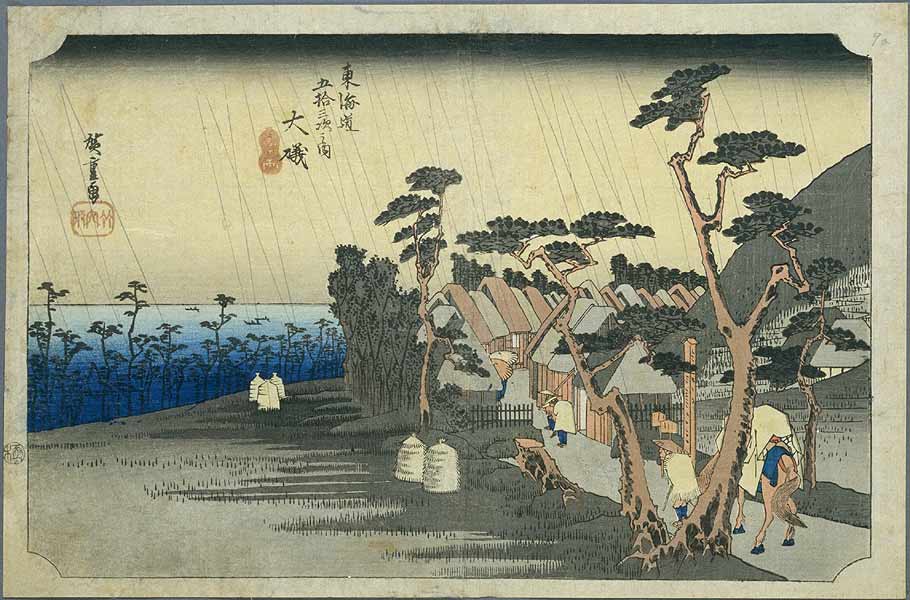
Historically, Ōiso developed as one of the post stations on the Tōkaidō, the principal coastal road linking Edo (Tokyo) and Kyoto. That legacy is visible in older street patterns and surviving buildings. In the late 19th and early 20th centuries the town became fashionable as a seaside resort, attracting visitors and seasonal residents who built villas and promenades. Elements of that Meiji and Taishō era heritage remain part of the town's character.
Culture, attractions and recreation
Visitors to Ōiso find a mix of seaside leisure and cultural sites. Typical attractions include sandy beaches, a pine-shaded waterfront, local shrines and historical streetscapes that recall the Tōkaidō era. The town hosts seasonal events and small festivals that celebrate coastal life and community traditions. Outdoor activities focus on beachgoing, walking along the promenade and enjoying seaside views that are especially popular during summer and holiday weekends.
Economy and local life
The local economy combines tourism, small-scale fisheries and services for residents. Local shops, cafés and inns cater to both day-trippers and longer-stay visitors, while many households are linked economically to larger nearby cities through commuting. The town's climate and coastal setting contribute to a lifestyle oriented toward outdoor recreation and a slower pace than the nearby metropolitan centers.
Notable facts and distinctions
- Ōiso's role as a Tōkaidō post town gives it historical importance along one of Japan's oldest travel corridors.
- The seaside promenade and pine trees are characteristic landscape features that appear in local imagery and tourism guides.
- Its position on Honshū near major coastal transport routes makes it both accessible and attractive as a short-stay resort or commuter town.
For readers seeking further practical details about travel, local government or cultural programs, official and tourism pages provide schedules, seasonal notices and visitor information; consult relevant municipal or regional resources for the latest updates.
Author
AlegsaOnline.com Ōiso: coastal town in Kanagawa Prefecture, Japan Leandro Alegsa
URL: https://en.alegsaonline.com/art/133375