
Zhu De: Chinese Revolutionary Leader and Marshal
Biography of Zhu De (1886–1976), Chinese military leader, Communist Party founder, Marshal of the PLA, Commander of the Eighth Route Army, and later chairman of the NPC Standing Committee.
Overview
Zhu De (1 December 1886 – 6 July 1976) was a leading figure in twentieth-century China, known for his long military and political career within the Communist movement. He is widely remembered as one of the founders of the Communist Party of China and as an early military architect of the Chinese Red Army. During the war against Japan he served as Commander-in-Chief of the Eighth Route Army and after the establishment of the People's Republic of China he held senior state and party posts. In 1955 he was appointed one of the Ten Marshals of the People's Liberation Army.
Image gallery
10 Images


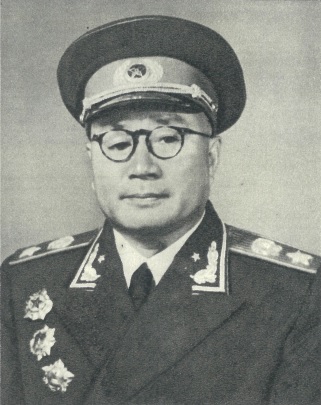

Early life and revolutionary beginnings
Zhu De was born in Sichuan province and trained initially in more traditional settings before becoming involved in modern military and political movements that emerged in China in the early twentieth century. He spent time studying military tactics and was exposed to revolutionary ideas that emphasized national renewal and social reform. Over the 1910s and 1920s he moved closer to revolutionary circles and played roles that connected local military organization with emerging Communist activism. He is regarded as a founding participant in the Communist Party of China, and he maintained close relationships with other early leaders throughout the years of civil conflict.
Military leadership and wartime activity
Zhu De's reputation rests largely on his military leadership. He helped build the Red Army into a force capable of conducting both guerrilla and conventional operations, and he worked in concert with political leaders to fuse military strategy with broader revolutionary goals. His most prominent wartime role came during the Second Sino-Japanese War, when he served as Commander-in-Chief of the Eighth Route Army, a principal Communist force fighting Japanese occupation and conducting operations behind enemy lines.
- Organizational role: helped structure Red Army units and local militia networks.
- Guerrilla strategy: favored mobile, flexible operations in rural areas.
- Coalition work: cooperated at times with Nationalist forces against common enemies while preserving the Communist command structure.
Political offices and later life
After 1949, Zhu De held a range of senior positions in the new state. He was recognized as one of the top military leaders when the People's Liberation Army formalized ranks in 1955 and was named a Marshal. In the 1970s he served as chairman of the Standing Committee of the National People's Congress, a position that made him the nominal head of state for a brief period from 1975 until his death in 1976. Throughout his career he was variously described as a military commander, a revolutionary politician, and, by some observers, a regional strongman or warlord in the fractious years before Communist consolidation. His political identity is also framed by his long-term role as a politician and an elder statesman of the Communist Party of China.
Legacy and notable facts
Zhu De's legacy is complex. He is honored in official histories for his contributions to the Red Army and for leadership during the Second Sino-Japanese War. Militarily, he was one of the figures promoted into the upper ranks of the PLA as one of the Ten Marshals associated with the modern People's Liberation Army. Politically, his late-career role as head of state of the People's Republic of China was short but symbolically important. He died in Beijing on 6 July 1976. Historians and commentators continue to assess his achievements and shortcomings in the broader context of China's revolutionary era, national defense, and state-building efforts.
For further reading, consult biographies and military histories that examine both Zhu De's operational methods and his long-term place within Communist leadership. Academic treatments emphasize his dual identity as a commander and a political leader, and they place his career within the shifting alliances and conflicts that shaped twentieth-century China.
Author
AlegsaOnline.com Zhu De: Chinese Revolutionary Leader and Marshal Leandro Alegsa
URL: https://en.alegsaonline.com/art/133321