
Zhelyu Zhelev: Bulgarian philosopher, dissident and first post‑communist president
Zhelyu Zhelev (1935–2015) was a Bulgarian philosopher, writer and dissident who served as the first non‑Communist President of Bulgaria (1990–1997), leading the country during its early democratic transition.
Overview
Zhelyu Mitev Zhelev (3 March 1935 – 30 January 2015) was a Bulgarian philosopher, author and political figure who became the first non‑Communist head of state in post‑communist Bulgaria. Known for his critiques of authoritarianism and for his role in the transition from a single‑party system to a pluralist political order, Zhelev combined an intellectual background with active participation in public life during a pivotal era for his country. Bulgarian sources often note his importance as both a thinker and a statesman.
Image gallery
3 Images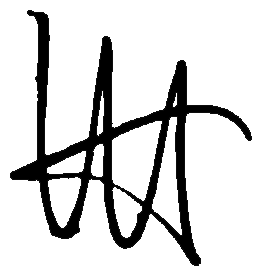


Early life and intellectual career
Zhelev was born in Smyadovo and trained in philosophy, developing interests in political theory, individual liberty and the conditions that sustain democratic communities. During the later decades of the 20th century he published essays and books on political ideas and became known as a public intellectual. His writings drew attention to the nature of totalitarian systems and argued for greater respect for human rights and pluralism. He is often described as a philosopher and writer who engaged with practical politics as well as theory.
Political life and presidency
In the wave of political change around 1989–1990, Zhelev emerged as a prominent critic of the old regime and a participant in the newly formed democratic institutions. He was elected President of Bulgaria on 1 August 1990 and served until 22 January 1997. As the first non‑communist president, he played a symbolic and practical role in consolidating democratic procedures, encouraging political pluralism and supporting reforms to introduce market mechanisms, private enterprise and civil liberties to a society transitioning from decades of one‑party rule. He was associated with the opposition movement and broader efforts to build democratic institutions. Many accounts highlight his background as a dissident and reform advocate.
Writings, ideas and public image
Zhelev continued to publish and speak about political themes after entering public office. His intellectual reputation rested on accessible reflections about the moral and institutional foundations of democracy: the need for rule of law, protections for individual rights and a political culture that tolerates dissent. Observers described him as a pragmatic liberal who sought to balance rapid change with political stability. His public profile combined a scholarly voice with the duties of statecraft during a turbulent decade for Bulgaria.
Legacy and death
After leaving the presidency Zhelev remained a figure of public interest and commentary, respected for having guided Bulgaria through an initial, difficult phase of transition. He was married to Maria Zheleva and had two children. Zhelev died in Sofia on 30 January 2015 at the age of 79. His life is remembered for bridging intellectual critique and political leadership during a formative period for modern Bulgaria; further information and biographical details can be found in Bulgarian language resources and retrospectives. Sofia
Key facts
- Born: 3 March 1935, Smyadovo
- President of Bulgaria: 1 August 1990 – 22 January 1997
- Professions: philosopher, writer, politician
- Personal: married to Maria Zheleva; two children
For additional context and primary documents consult biographical and historical collections focused on Bulgaria's transition period, including contemporary press coverage and scholarly studies of Eastern European democratization. Politics and historical surveys provide useful background, while archival materials and memoirs offer firsthand perspectives. Writings by Zhelev and analyses of his thought remain points of reference for students of post‑communist Europe. Dissident testimonies and later interviews also shed light on his intellectual journey. Philosophical appraisals examine his contributions to debates about freedom and authority.
Author
AlegsaOnline.com Zhelyu Zhelev: Bulgarian philosopher, dissident and first post‑communist president Leandro Alegsa
URL: https://en.alegsaonline.com/art/133316