
Yevgeny Primakov: Soviet Scholar, Russian Diplomat and Prime Minister
Biography of Yevgeny Primakov (1929–2015), a Russian scholar, diplomat and statesman who served as foreign minister and prime minister; his career blended Middle East expertise, intelligence and pragmatic foreign policy.
Yevgeny Maksimovich Primakov (29 October 1929 – 26 June 2015) was a prominent Russian statesman, scholar and diplomat best known for serving as Prime Minister of Russia from 1998 to 1999 and as Foreign Minister in the preceding years. Born in Kiev when it was part of the Soviet Union, he combined academic study of the Middle East with journalism, intelligence work and high-level government service, becoming a decisive figure in post‑Soviet Russian foreign and domestic policy.
Image gallery
7 Images




Early life and education
Primakov was born in Kiev in 1929 into a mixed family; sources note that his mother was of Jewish background. He trained as a linguist and orientalist, specializing in Middle Eastern languages and politics, and later worked as a scholar and journalist focused on Arab countries and international affairs. This early expertise shaped his later reputation as an Arabist and analyst of Eurasian geopolitics.
Career and principal roles
Across a long public career Primakov moved between scholarship, intelligence and government. He held senior posts in academic and media institutions before moving into state service. In the mid‑1990s he was appointed Russia's minister of foreign affairs, and in 1998 he became prime minister at a time of economic turmoil. His appointments were widely interpreted as bringing experience and stability to the Kremlin's foreign policy and crisis management.
Policies and public profile
Primakov is often associated with a pragmatic, multipolar approach to foreign affairs: he emphasized balanced relations with the West while strengthening ties with Asia, the Middle East and other non‑Western partners. Observers credit him with advocating a foreign policy that sought greater Russian independence and influence in regional affairs. Domestically, his short premiership focused on emergency measures during a financial crisis and on preserving state authority amid deep economic change.
Legacy and significance
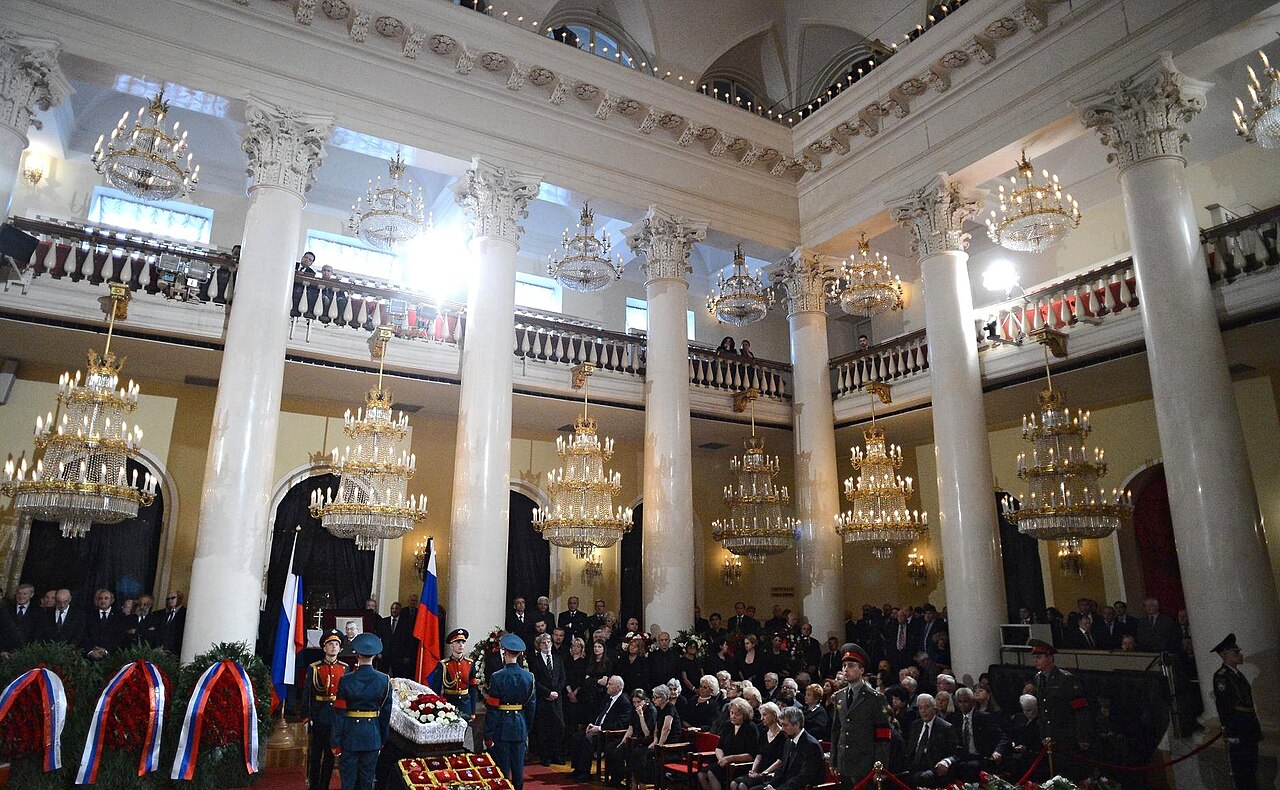
Primakov left a mixed but influential legacy. He is remembered as an erudite public intellectual who brought regional expertise into the highest levels of government. His career is often cited in discussions of post‑Soviet elite continuity, the role of intelligence and scholarship in policy, and the development of a more assertive Russian foreign policy. He continued to comment on international affairs after leaving office and remained a respected figure until his death in 2015.
Key positions and notable facts
- Prime Minister of Russia (1998–1999) — a period of economic crisis and government transition; see Prime Minister of Russia.
- Foreign Minister (mid‑1990s) — led diplomacy during an important phase of post‑Soviet relations; see diplomat.
- Background as an orientalist and journalist informed his reputation as an Arabist and policy intellectual; see references to Russian language sources.
- Born in Kiev, Ukrainian SSR when it formed part of the Soviet Union; his family included a Jewish parent as noted in biographical accounts (Jewish background).
- His biography and post‑Soviet role are relevant to studies of Russia, Ukraine and Eurasian diplomacy (Ukraine, politician).
For further reading and source material, consult specialized biographies and collections of Primakov's writings and speeches; archival material and contemporary analyses elaborate on his influence during the 1990s and his continuing role as a commentator on international affairs. Additional overviews and primary documents are available through institutional collections and historical studies of post‑Soviet Russia (see heritage and regional research portals).
Author
AlegsaOnline.com Yevgeny Primakov: Soviet Scholar, Russian Diplomat and Prime Minister Leandro Alegsa
URL: https://en.alegsaonline.com/art/133165