
Yakub Memon — Convicted participant in the 1993 Bombay bombings
Profile of Yakub Memon, an Indian chartered accountant convicted for his role in the 1993 Bombay bombings; his trial, appeals, execution in 2015, and related controversies and legacy.
Overview
Yakub Abdul Razak Memon (30 July 1962 – 30 July 2015) was an Indian chartered accountant who was convicted for his involvement in the coordinated attacks commonly called the 1993 Bombay bombings. He was tried by a Special Terrorist and Disruptive Activities (TADA) court and found guilty of offences related to those attacks. Memon’s case drew extensive attention because of the severity of the crimes, the lengthy legal process and intense public debate over capital punishment.
Image gallery
1 Image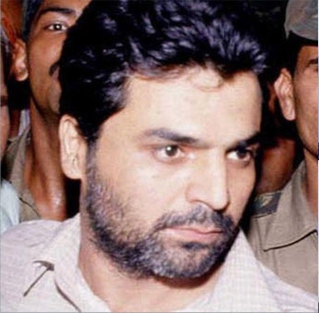
Background and alleged role
Born in 1962, Memon trained and worked as a chartered accountant. Prosecutors described him as playing a financial and logistical role in the plot that targeted multiple locations in Mumbai in 1993. He was also known to be the brother of Tiger Memon, who was widely alleged to be among the principal organisers. The bombings were a coordinated series of explosions that caused widespread death and injury and had deep consequences for Mumbai and India’s security policies.
Legal proceedings
Memon was convicted by a TADA court on 27 July 2007. Over the following years he exhausted the available judicial remedies through appeals. His petitions and requests for clemency were considered and ultimately rejected by the higher courts and by executive review. The final phase of legal and constitutional processes included multiple hearings about sentencing, evidentiary questions and the application of the death penalty.
Execution and timeline
- 27 July 2007 — Conviction by Special TADA court.
- Subsequent years — Appeals and reviews in higher courts.
- 30 July 2015 — Execution by hanging at 05:00 IST in Nagpur jail, following denial of mercy petitions and completion of legal remedies; public and legal responses followed the event.
Controversy and legacy
Memon’s conviction and execution provoked strong reactions. Supporters of the sentence argued it was a lawful consequence for participation in mass-casualty terrorism, while critics raised concerns about the fairness of aspects of the prosecution, comparisons with other accused who remained at large or were tried differently, and broader questions about capital punishment. Human rights organisations and commentators debated both the process and the wider implications for counterterrorism law and criminal justice in India.
Notable facts and distinctions
The case is often referenced in discussions about the TADA regime, the challenges of prosecuting complex terrorist conspiracies, and the political and legal handling of long-running, high-profile terrorism cases. Key documents, rulings and public statements related to the case are held in Indian judicial records and were widely covered in contemporary news reporting and legal commentary. For summaries of the court decisions and the appeals process see major legal analyses and reporting on appeals and clemency petitions.
Author
AlegsaOnline.com Yakub Memon — Convicted participant in the 1993 Bombay bombings Leandro Alegsa
URL: https://en.alegsaonline.com/art/133134