
Yahya Jammeh — Gambian military leader and president (1994–2017)
Overview of Yahya Jammeh, the Gambian military officer who led a 1994 coup, ruled The Gambia until 2017, and left power amid international pressure amid allegations of human rights abuses.
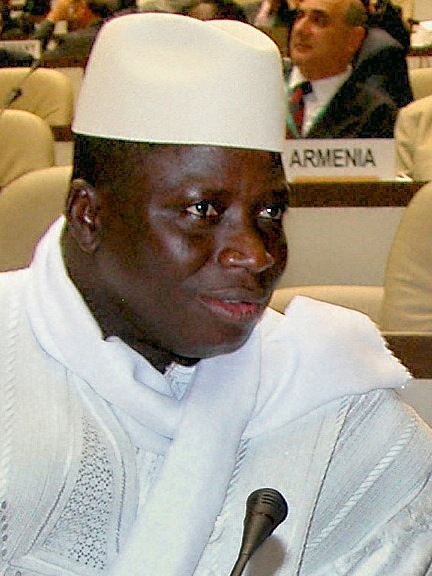
Yahya Jammeh (born 25 May 1965) is a Gambian former military officer and politician who led a 1994 coup and ruled as head of state for more than two decades. His full name is sometimes rendered in Arabic; see Arabic form. He served as the de facto leader and later elected president of The Gambia from 1994 until 2017.
Image gallery
5 Images


Rise to power
Jammeh emerged from the Gambian National Army and seized control in a bloodless coup in July 1994, heading a military junta called the Armed Forces Provisional Ruling Council. He later transitioned to civilian rule, winning elections that international observers often criticized for lack of transparency and restrictions on political freedoms.
Characteristics of his rule
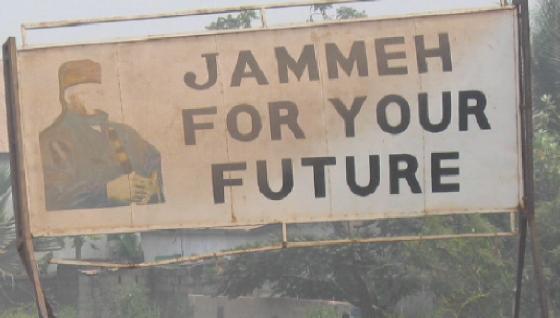
His government combined centralized authority, a strong security apparatus, and a pronounced cult of personality. Authorities under Jammeh were accused of restricting press freedom, targeting political opponents, and using security forces to suppress dissent. His administration enacted conservative social policies and harsh penalties for homosexuality, and he made public claims of healing powers that drew international attention.
International relations and exile
Jammeh's foreign policy included periodic confrontations with Western governments and, in 2013, withdrawal from the Commonwealth citing perceived interference. After losing the 2016 presidential election to Adama Barrow, Jammeh initially rejected the result. Regional pressure led by ECOWAS and diplomatic mediation culminated in his departure into exile in early 2017; he accepted asylum in Equatorial Guinea.
Legacy and accountability
His long tenure left a mixed legacy of infrastructure and stability for some, and serious allegations of human rights abuses and corruption for others. The succeeding Gambian government established mechanisms to investigate alleged crimes committed during his rule and to seek restitution and prosecutions where warranted.
Notable facts
- Seized power in a 1994 coup and remained in office until 2017.
- Accused by human rights groups of torture, disappearances, and political repression.
- Withdrew The Gambia from the Commonwealth in 2013; the decision was later reversed after his departure.
- Lost the 2016 election and went into exile following regional military and diplomatic pressure.
- Subject of ongoing investigations and calls for accountability by Gambian and international bodies.
Author
AlegsaOnline.com Yahya Jammeh — Gambian military leader and president (1994–2017) Leandro Alegsa
URL: https://en.alegsaonline.com/art/133129