
Wolfram Siebeck: German food critic, columnist and author
Wolfram Siebeck (1928–2016) was a German journalist, author and outspoken food critic known for his sharp critiques of mass-produced food, fast food and industrial farming.
Wolfram Siebeck (19 September 1928 – 7 July 2016) was a German journalist, author and influential food critic. Born in Duisburg, he became widely known for lively, often acerbic columns and essays that brought questions of taste, quality and ethics in food into public debate.
Image gallery
1 Image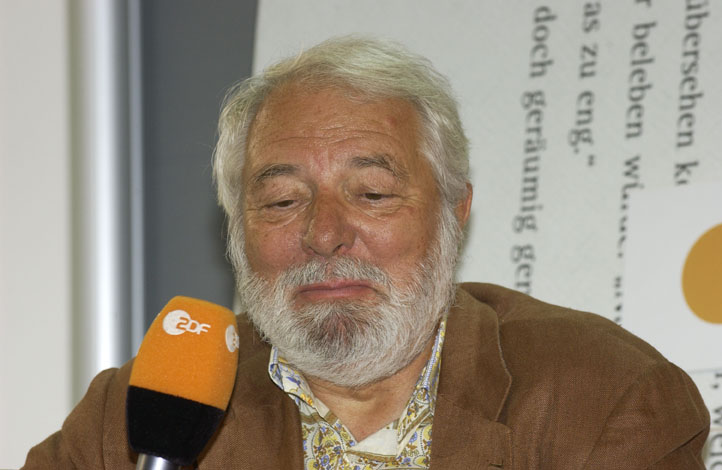
Career and critical style
Siebeck wrote for newspapers and magazines and published collections of his observations on cooking and eating. His prose combined personal anecdote, culinary knowledge and trenchant social commentary. Rather than neutral tasting notes, he favored opinionated, vividly described pieces that exposed what he saw as the flattening effect of convenience culture on food.
Main themes and positions
- Opposition to mass-produced and processed food, including the spread of fast food and ready-made meals.
- Criticism of industrial agricultural practices and intensive animal farming on quality and animal welfare grounds.
- Advocacy for seasonality, regional ingredients and cooking that respects culinary tradition.
Through reviews, columns and books he campaigned for better standards in restaurants, shops and public catering. His criticism often connected taste with broader questions about subsidies, food policy and the social consequences of cheap, standardized products.
Legacy and influence
Siebeck helped shape postwar German food culture by encouraging consumers to care about provenance and preparation. Many later food writers and critics in Germany acknowledge that his outspoken style made culinary debate more visible and politically charged. He remains a reference point for discussions about quality, sustainability and the cultural importance of food.
Although sometimes controversial for his blunt judgments, Siebeck's work is remembered for insisting that eating well is not merely a private pleasure but a public concern tied to farming, trade and culture. Collections of his essays and reports keep his voice accessible to readers interested in the history of contemporary food criticism.
Further reading and archives often include selections of his columns and interviews documenting the debates he provoked; local biographies and newspaper retrospectives recount his life from Duisburg to national recognition.
Author
AlegsaOnline.com Wolfram Siebeck: German food critic, columnist and author Leandro Alegsa
URL: https://en.alegsaonline.com/art/133084