
Wojciech Zabłocki — Polish fencer, architect and artist (1930–2020)
Wojciech Zabłocki was a Polish Olympic sabre fencer, architect and founding member of Art of the Olympians. He won three team medals across four Olympic Games and combined sport with a lifelong interest in art and design.
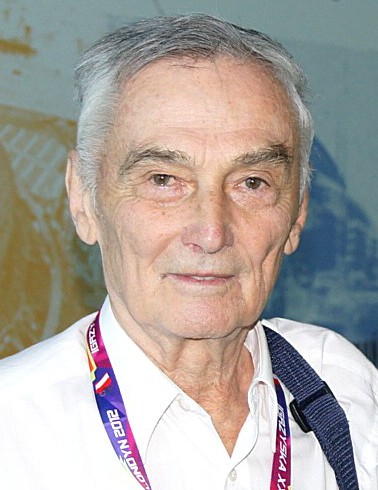
Wojciech Mikołaj Zabłocki (6 December 1930 – 5 December 2020) was a notable Polish figure who combined two careers: he worked as an architect and earned international recognition as a competitive fencer. Born in Warsaw, Zabłocki built a reputation for excellence on the piste while also maintaining a parallel interest in visual design and the built environment.
Image gallery
2 Images
Sporting career
Zabłocki represented Poland at four consecutive editions of the Olympic Games. His Olympic appearances were:
Competing primarily in team sabre, Zabłocki helped Poland win two silver medals (1956, 1960) and a bronze medal (1964). The sabre discipline, distinct among fencing events for allowing cutting as well as thrusting actions and for an emphasis on speed and attack, suited Zabłocki's style and the tactical teamwork required in national squads.
Architecture, art and initiatives
Alongside sport, Zabłocki trained and worked as an architect and pursued artistic interests. He was a founding member of the Art of the Olympians, an organisation that highlights the creative work of athletes who are also artists. His dual identity as creator and competitor exemplified a broader tradition of athletes who engage in visual arts and design after or alongside athletic careers.
Personal life and legacy
In 1963 Zabłocki married the actress Alina Janowska, a public figure in Polish theatre and film; she died in 2017. Zabłocki himself died on 5 December 2020, one day short of his 90th birthday. He is remembered for his contributions to Polish fencing, his Olympic medals in team sabre, and for bridging sport and culture through architecture and art.
For readers interested in further context: Zabłocki’s career sits at the intersection of postwar Polish sport and the country’s artistic life, illustrating how elite athletes can also play roles as designers, cultural organisers and public figures.
Author
AlegsaOnline.com Wojciech Zabłocki — Polish fencer, architect and artist (1930–2020) Leandro Alegsa
URL: https://en.alegsaonline.com/art/133066