
Wilson Pickett: Life and Legacy of an Influential Soul Singer
Wilson Pickett (1941–2006) was an American soul and R&B singer-songwriter known for passionate vocals and hits like “In the Midnight Hour”, “Mustang Sally” and “Land of a Thousand Dances.”
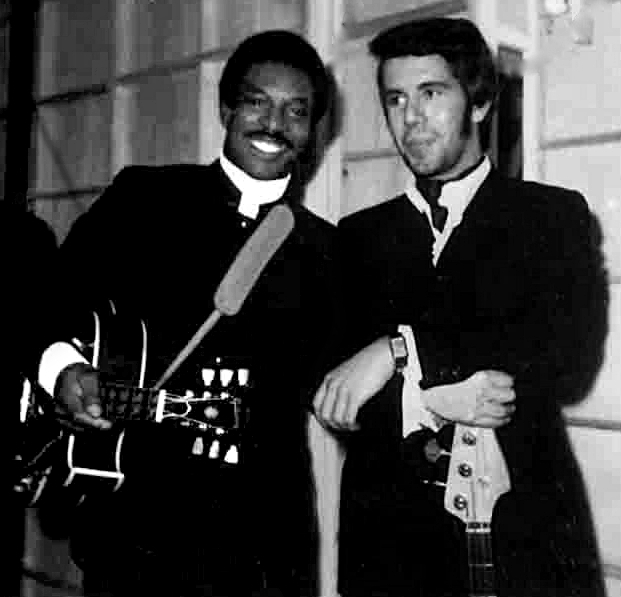
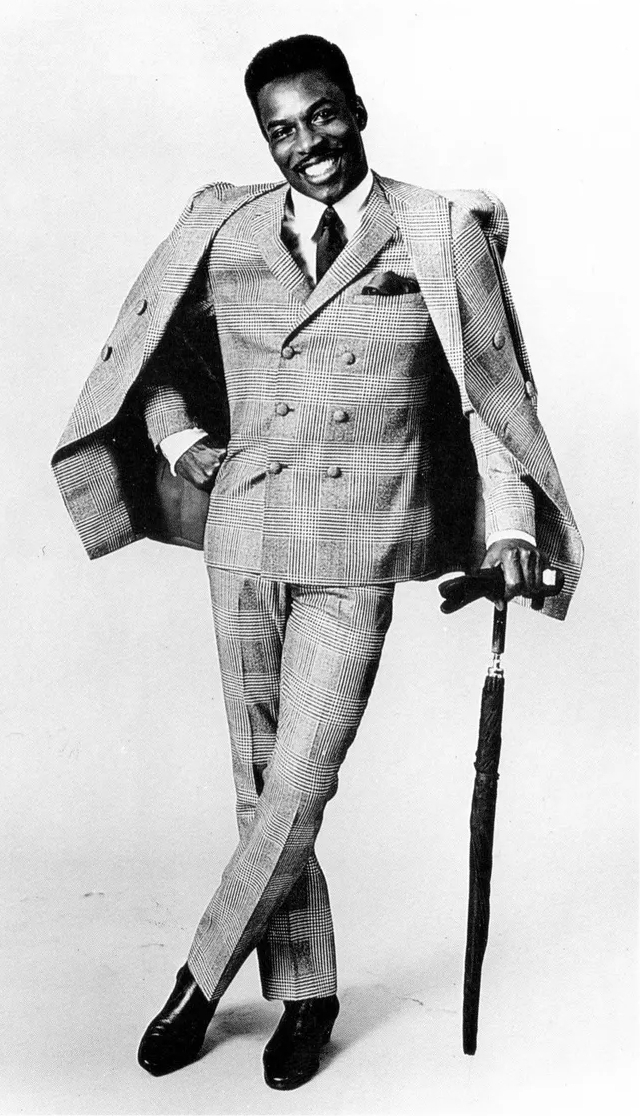
Wilson Pickett (March 18, 1941 – January 19, 2006) was an American R&B and soul singer-songwriter whose energetic, gritty voice helped shape 1960s soul music. He is best remembered for a string of popular singles that crossed over from the R&B charts to the mainstream, and for a singing style that combined gospel intensity with raw rhythm-and-blues phrasing.
Image gallery
4 Images

Early life and career beginnings
Born in Prattville, Alabama, Pickett moved with his family to Detroit as a child. Like many soul singers of his generation, he began singing in church and in local vocal groups. He gained early attention as a member of a Detroit R&B ensemble before launching a solo career in the early 1960s. His move to major record labels brought wider exposure and a sequence of hit records.
Musical style and recordings
Pickett's voice was noted for its passionate shouts, decisive rhythmic phrasing and an urgent delivery that suited up-tempo dance songs as well as slow ballads. He recorded for prominent soul labels and worked in studios that were central to the sound of the era, collaborating with established producers and skilled session musicians. His records often combined tight horn arrangements, driving backbeats and a gospel-rooted lead vocal.
Notable songs
- In the Midnight Hour — one of his signature recordings that became an anthem for soul radio.
- Land of a Thousand Dances — a high-energy performance that popularized a dance tune for a broad audience.
- Mustang Sally — a rhythm-and-blues classic widely covered by other artists.
- Funky Broadway — an early funk-leaning single demonstrating his rhythmic feel.
- Hey Jude — a soulful interpretation of a pop standard that showed his range.
Many of these songs charted on both R&B listings and the broader Billboard Hot 100, helping bring soul music to mainstream listeners in the 1960s.
Legacy and influence
Pickett is regarded as a major figure in American soul. His recordings influenced subsequent R&B and rock vocalists and remain staples of classic soul radio and compilation albums. He received industry recognition during his lifetime and posthumously; his work is frequently cited in histories of 20th-century popular music.
For further reading and primary sources, see label discographies and archival interviews: label profile, biography overview, catalog listing. Additional materials and contemporary reviews can be found at archive collections, historical essays at music history resource, and chart histories at chart reference.
Author
AlegsaOnline.com Wilson Pickett: Life and Legacy of an Influential Soul Singer Leandro Alegsa
URL: https://en.alegsaonline.com/art/133044