
William John Swainson — English naturalist, illustrator and collector (1789–1855)
William John Swainson (1789–1855) was an English naturalist and artist who worked in ornithology, malacology and entomology, producing influential illustrated works and using lithography to spread natural history imagery.
William John Swainson (8 October 1789 – 6 December 1855) was an English naturalist and artist known for combining scientific observation with detailed illustration. A Fellow of the Linnean Society and an active figure in early 19th‑century natural history, he worked across ornithology, malacology and entomology and helped popularize illustrated species descriptions.
Image gallery
7 Images


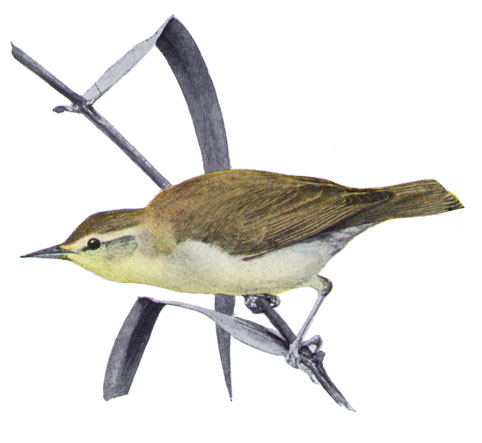


Career and published work
Swainson produced a large number of hand‑colored plates and multi‑part publications intended for both specialists and a growing public audience. His illustrations were used to document new and little‑known species; he also participated in specimen study and species description. His approach reflected the period's emphasis on careful depiction as an aid to identification and classification.
Artistic technique and scientific approach
Trained as an artist as well as a naturalist, Swainson adopted lithography and other print techniques to reproduce plates more economically than copperplate engraving. The clarity of his compositions and attention to habitat details made his plates useful as field references and appealing as decorative art. His work bridged artistic skill and scientific annotation.
Legacy and reception
Swainson's illustrations and taxonomic contributions influenced later illustrators and amateur naturalists. Like many early naturalists, some of his species attributions and classifications were revised by subsequent research, but his visual records remain valuable to historians of science and to museums. For institutional records see the Linnean Society and the Royal Society collections.
Further reading and resources
- Illustrations and plates are available in several public and private collections; see art and print archives referenced by malacology and entomology resources.
- Biographical summaries and bibliographies can be found through specialized natural history libraries and digital catalogs; consult an art archive entry via illustration repositories.
Swainson represents a generation of naturalists for whom drawing and printing were central to scientific communication, helping to shape popular and scholarly understanding of biodiversity in the 19th century.
Questions and answers
Q: Who was William John Swainson?
A: William John Swainson was an English ornithologist, malacologist, entomologist, and artist.
Q: What were some of William John Swainson's occupations?
A: William John Swainson's occupations included being an ornithologist, malacologist, entomologist, and artist.
Q: Did William John Swainson belong to any societies?
A: Yes, William John Swainson was a Fellow of the Linnean Society and a Fellow of the Royal Society.
Q: When was William John Swainson born?
A: William John Swainson was born on October 8, 1789.
Q: When did William John Swainson die?
A: William John Swainson passed away on December 6, 1855.
Q: What was William John Swainson known for?
A: William John Swainson was known for his work as an ornithologist, malacologist, entomologist, and artist.
Q: Was William John Swainson well-respected in his field?
A: Yes, William John Swainson was a respected Fellow of both the Linnean Society and the Royal Society.
Author
AlegsaOnline.com William John Swainson — English naturalist, illustrator and collector (1789–1855) Leandro Alegsa
URL: https://en.alegsaonline.com/art/132945