
Linnean Society of London: history, purpose, publications and collections
Overview of the Linnean Society of London: its founding, role in taxonomy and natural history, membership and honours, publications, collections, and continuing significance in biological sciences.
Overview
The Linnean Society of London is a learned society dedicated to the study and discussion of natural history, classification and the naming of organisms. Founded in 1788 and named after the Swedish naturalist Carl Linnaeus (Carolus Linnaeus), the Society provides a forum for scientific exchange, publishes specialist journals and preserves important historical material. It is one of the principal British institutions associated with the development of systematic biology and remains active in supporting research, education and public engagement within the fields conventionally described as learned societies, taxonomy and natural history.
Image gallery
9 Images






Origins and historical development
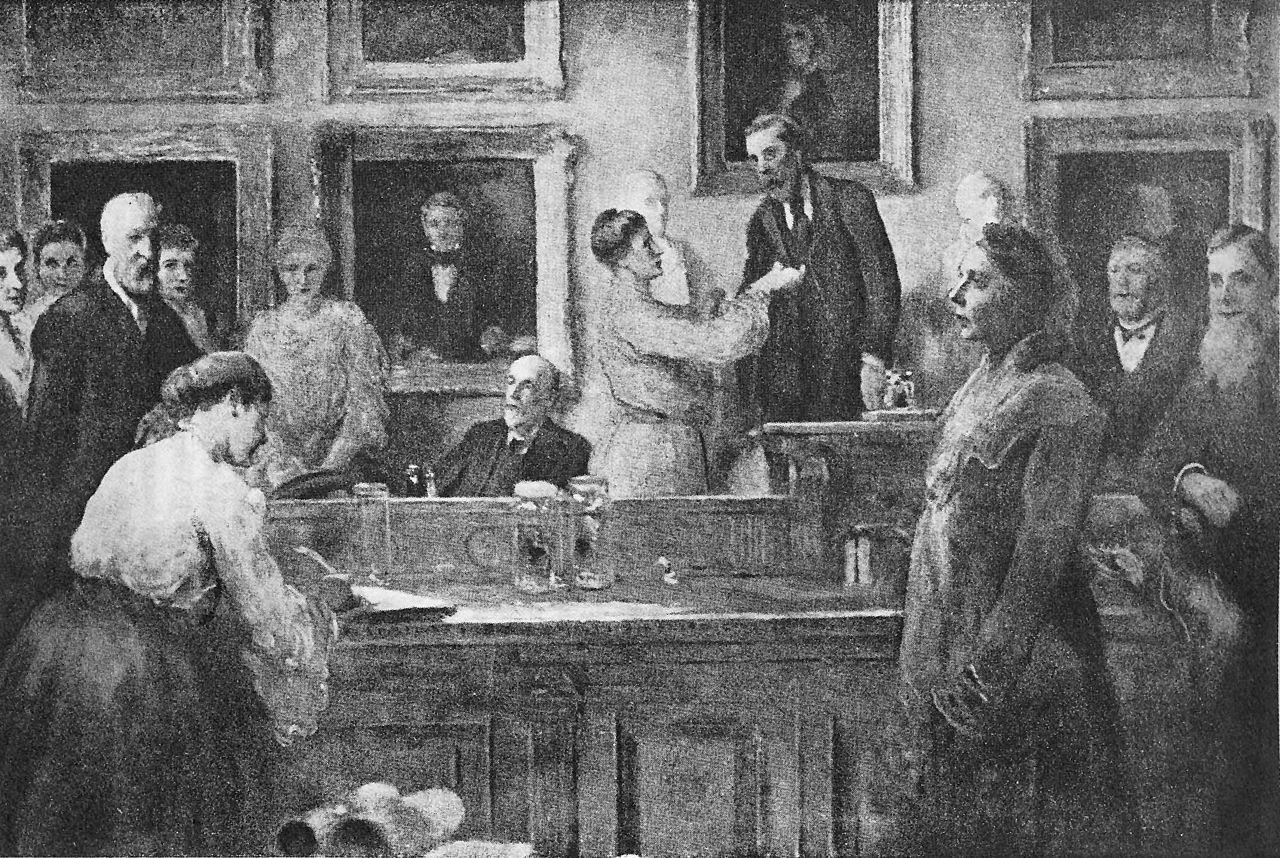
The Society was established by a group of naturalists in the late 18th century who sought to promote the study of plants and animals and to provide an organised venue for collections, publications and meetings. Over its history it has hosted talks, housed manuscripts and specimens, and been the custodian of correspondence and source material that document the growth of biological science. One of the Society's most widely noted historical roles was its involvement in the mid-19th century communication of papers by Charles Darwin and Alfred Russel Wallace that related to the theory of evolution by natural selection; those events are central to the Society's public reputation and are often discussed in broader histories of biology. Detailed records of past meetings, awards and holdings are catalogued within the Society's archival resources and guides to its history are available for researchers and visitors via its collections pages and related material (history and archives).
Structure, membership and honours
The Linnean Society admits members in several classes, including Student, Associate and Fellow grades. Prospective Fellows typically require nomination by two existing Fellows and election by those entitled to vote; elected Fellows may use the post-nominal letters FLS. Membership is intended to be open to both professional and amateur naturalists, and the Society supports members through grants, awards and opportunities to present work. It also recognises achievement in botanical and zoological study with a range of honours, notably medals and named prizes that are awarded periodically to scientists whose work has made a significant impact. Information on membership categories and the nomination process is published by the Society for prospective students, associates and those seeking election as Fellows.
Publications and meetings
The Society produces peer-reviewed journals and periodicals that publish original research, reviews and historical studies. Principal scientific journals associated with the Society include the Zoological Journal, the Botanical Journal and the Biological Journal of the Society. In addition to these technical journals, the Society issues a review and news publication known as The Linnean, which addresses the Society’s activities and matters of historical and contemporary interest to natural historians. Regular scientific meetings, lectures, themed symposia and public events attract researchers, students and members of the wider public and are a key mechanism for disseminating new work in systematics and biodiversity science.
Collections, library and archives
The Linnean Society maintains a specialist library, archival holdings and specimen material that together support taxonomic research and the study of scientific history. Collections include printed books and journals, manuscript correspondence, drawings and preserved specimens that relate to the history of classification and to individual naturalists. These holdings are consulted by historians of science and by taxonomists tracing nomenclatural and type-specimen information. The Society makes parts of its library and selected material available for study, exhibitions and digital catalogues, and provides guidance for visiting researchers. The Society is based at Burlington House in Piccadilly (Burlington House) in central London, where meeting rooms, the reading library and display cases offer resources for scholarship and outreach.
Role and significance
Across more than two centuries the Linnean Society has played a continuing role in the institutional life of biology. By publishing specialist journals, convening meetings, awarding medals and preserving archival and specimen material, it supports the practice and history of systematics, nomenclature and biodiversity research. Its activities link historical scholarship with contemporary taxonomic work: librarians, curators and scientists rely on its collections to verify names, locate type material and study the historical context of discoveries. The Society's work intersects with educational initiatives and with collaborative projects that extend beyond its own membership.
Further information and resources
Those seeking more detail about specific programmes, awards, grants or the use of collections can consult the Society's information pages and published guides. Key topics and entry points include general materials on learned societies, foundational subjects in taxonomy and resources on natural history. For practical matters related to publications and archives see the Society’s journal descriptions and history pages: Zoological Journal, Botanical Journal, Biological Journal and the Society review The Linnean. Administrative and membership details are available for prospective students, associates and candidates for Fellowship, and historical overviews and catalogue entries can be consulted through the Society's archival guides (history and archives). Visitors planning a research visit or a public tour should check arrangements for access at Burlington House in London and the Society's site information (Burlington House).
Questions and answers
Q: What is the Linnean Society of London?
A: The Linnean Society of London is the world's biggest society for the study and discussion of taxonomy and natural history.
Q: What kind of journals does the Linnean Society of London publish?
A: The Linnean Society of London publishes a Zoological Journal, as well as Botanical and Biological Journals.
Q: Why was the Linnean Society of London named after Carolus Linnaeus?
A: The Linnean Society of London was named after the Swedish naturalist Carolus Linnaeus.
Q: When was the Linnean Society of London started?
A: The Linnean Society of London was started in 1788.
Q: Where is the Linnean Society of London based?
A: The Linnean Society of London is based at Burlington House in Piccadilly, London.
Q: What are the different levels of membership for the Linnean Society of London?
A: The different levels of membership for the Linnean Society of London are Student member, Associate member or full Fellow.
Q: How does one become a member of the Linnean Society of London?
A: To become a member of the Linnean Society of London, a person needs to be nominated by two or more Fellows, and succeed in an election.
Related articles
Author
AlegsaOnline.com Linnean Society of London: history, purpose, publications and collections Leandro Alegsa
URL: https://en.alegsaonline.com/art/58308