
William Bland (1789–1868): Convict Surgeon and Colonial Statesman
William Bland was an English-born naval surgeon transported to New South Wales who became a prominent colonial doctor, inventor, farmer and political figure in 19th-century Australia.
Overview
William Bland (5 November 1789 – 21 July 1868) was an English-born surgeon who, after a fatal duel, was transported as a convict to New South Wales. Over the course of decades in the colony he rebuilt his career, practising medicine, engaging in farming and mechanical experimentation, and taking part in public life. His life illustrates the social mobility and tensions of colonial Australia.
Image gallery
9 Images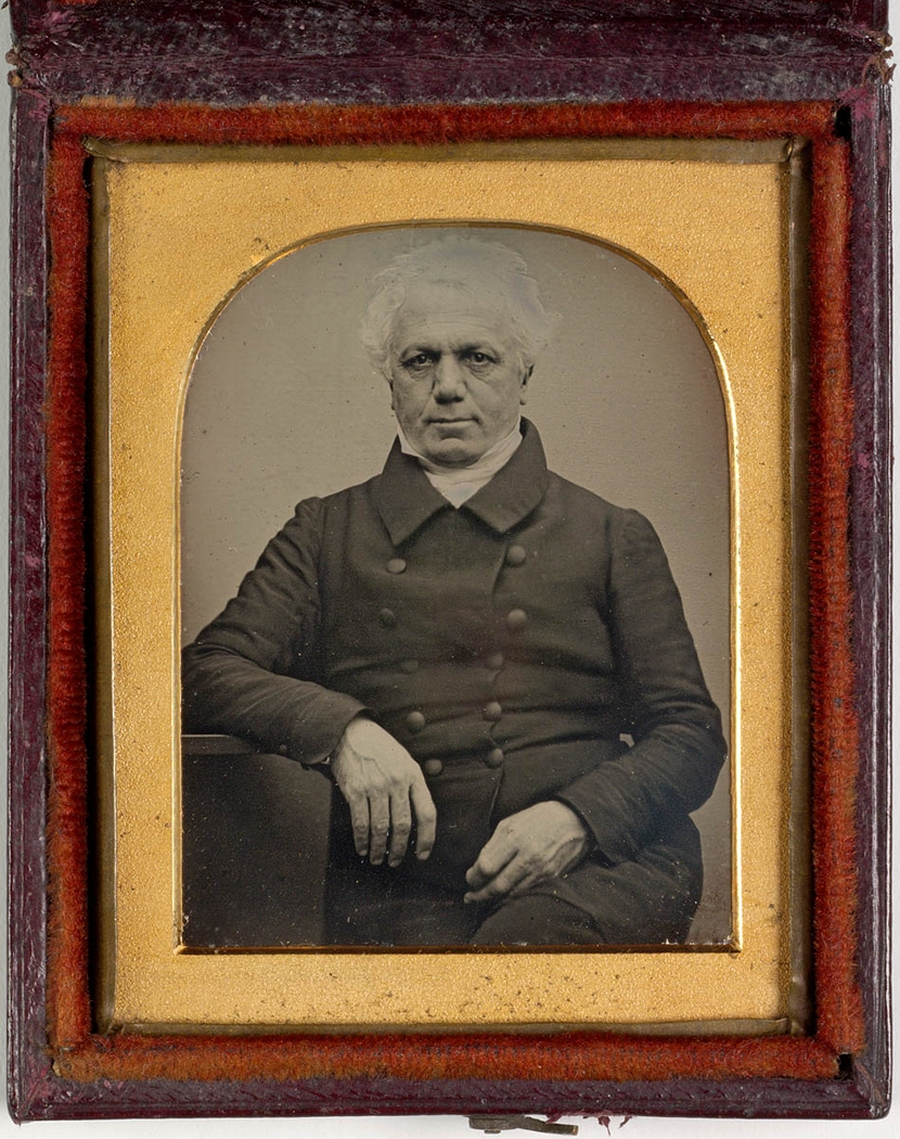
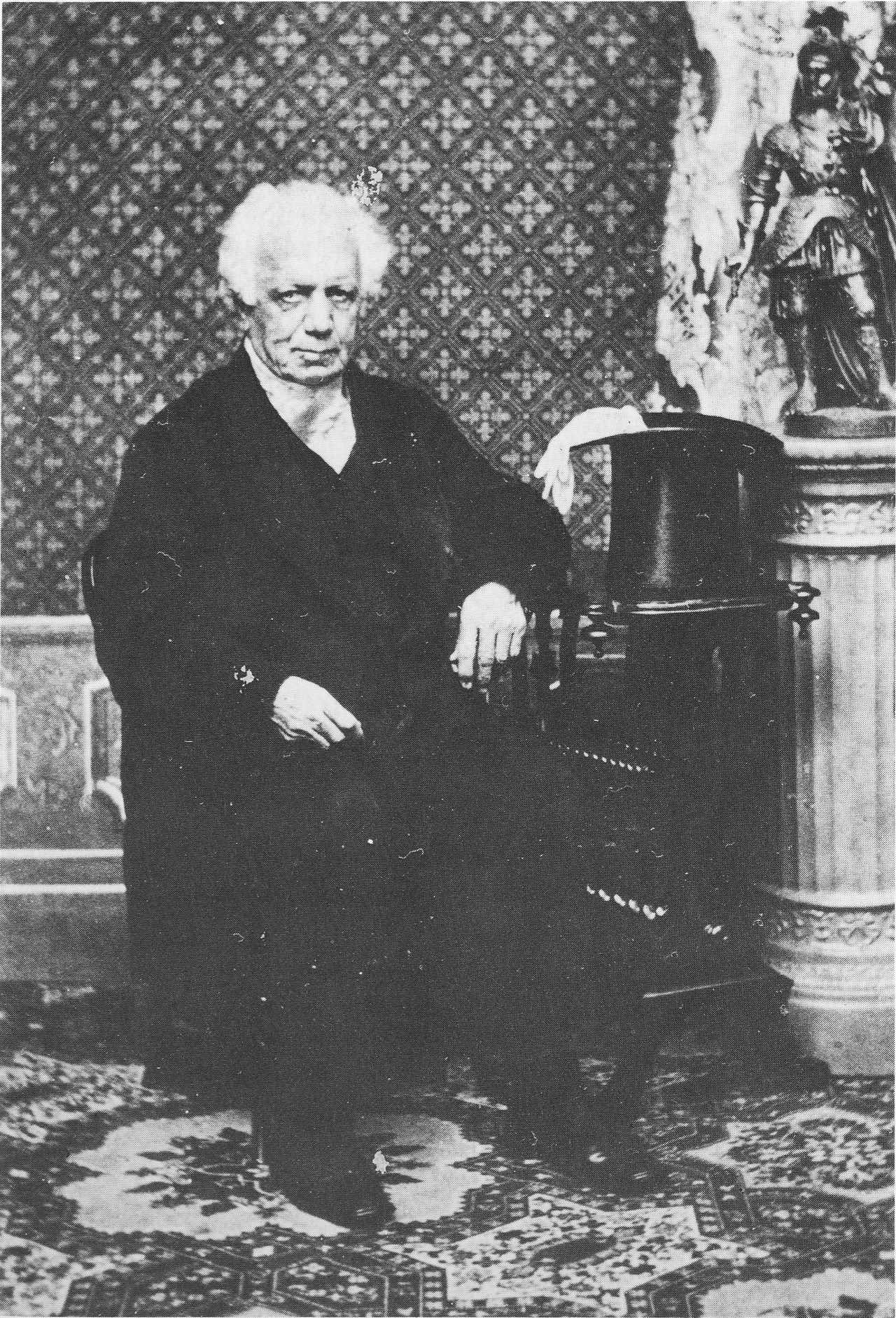

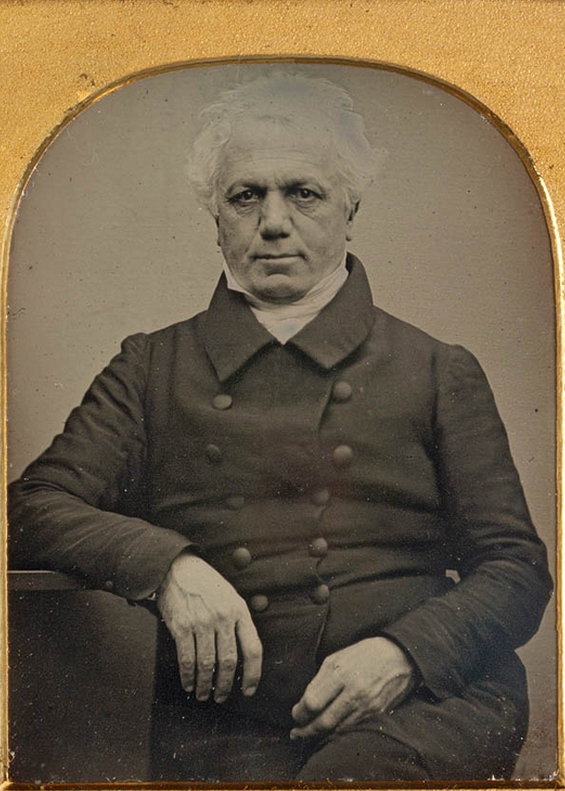


Early life and conviction
Trained as a naval surgeon, Bland served with British forces in the early 19th century. Following a duel in which another officer died, he was convicted and sentenced to transportation; contemporary records of his conviction and shipment to the colony are preserved in official archives and contemporary accounts (transportation records). His experience reflected the harsh penalties for duelling and the use of transportation as punishment.
Career and contributions in New South Wales
After arriving in New South Wales, Bland received conditional release and re-established himself as a medical practitioner. He became known in Sydney and the surrounding districts for clinical work and for involvement in public health matters. In later years he participated in colonial politics, serving in representative bodies and debating issues of governance and civil rights for settlers and emancipated convicts (political activities).
Farming, invention and public life
Bland combined medical practice with farming and practical invention. He experimented with agricultural techniques and devised mechanical ideas intended to improve everyday life on the frontier. Those efforts illustrate the hybrid role many colonial professionals adopted—as clinicians, landholders and improvers—in a rapidly developing settlement in New South Wales.
Legacy and significance
William Bland’s trajectory—from punished duellist to respected colonial figure—has made him a subject of interest for historians of medicine and Australian colonial society. He is remembered for his contributions to local medical practice, his civic engagement, and as an example of how transported convicts could become influential members of colonial communities. More material on his life and context can be consulted in archives and specialist studies of 19th-century Australian colonial history.
- Born: 5 November 1789
- Died: 21 July 1868
- Roles: surgeon, convict, physician, farmer, inventor, political participant
Author
AlegsaOnline.com William Bland (1789–1868): Convict Surgeon and Colonial Statesman Leandro Alegsa
URL: https://en.alegsaonline.com/art/132888