
Wei Yuan (1794–1857), Qing dynasty scholar and reform thinker
Wei Yuan was a Qing dynasty Chinese scholar known for his writings on foreign affairs and reform, especially the Haiguo Tuzhi; he urged learning Western techniques to strengthen China after the Opium War.
Overview
Wei Yuan (1794–1857) was a prominent Chinese scholar and intellectual during the late Qing dynasty. Trained in the Confucian classics, he became best known for analyzing contemporary political and military challenges and for advocating practical reforms. His work sought to respond to the crises China faced after the Opium War by collecting information about foreign countries and technologies.
Image gallery
1 Image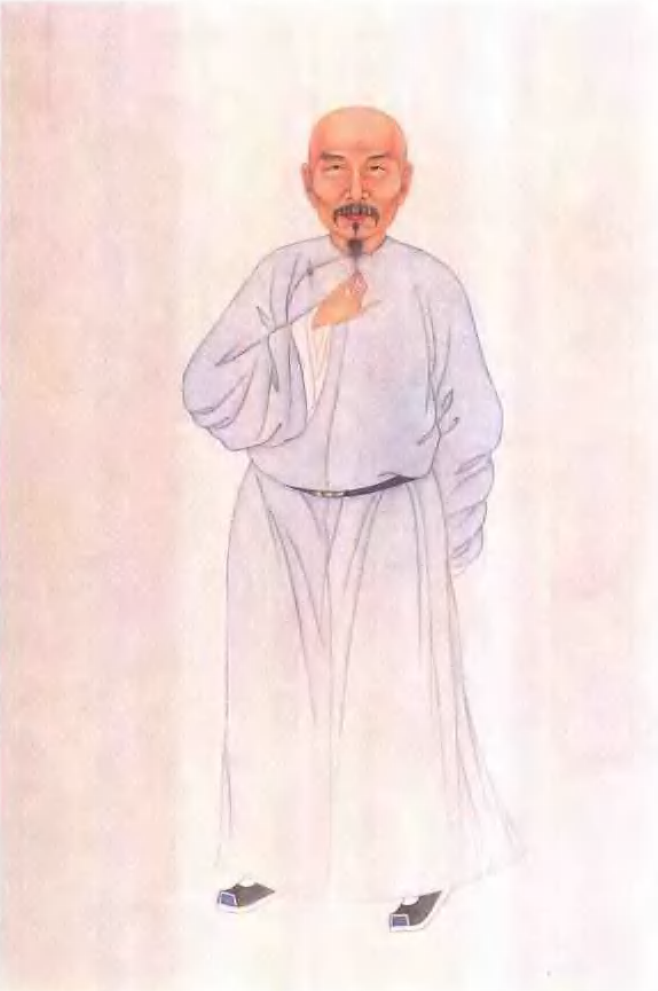
Names and background
Wei used literary names including Mo Shen and Hanshi. He wrote widely on statecraft, geography and military affairs, and compiled material intended to assist officials and readers in understanding foreign powers. For a concise introduction to his life and context, see a short biography.
Major works
Wei Yuan compiled several influential works that combined classical learning with contemporary documentation. The most famous is the illustrated compilation often translated as the Illustrated Treatise on the Maritime Kingdoms (Haiguo Tuzhi), produced after the First Opium War to gather reports, maps and observations about Western and regional maritime powers.
- Haiguo Tuzhi: survey of foreign countries and technologies.
- Collections of essays on governance, defense and reform.
- Historical and geographic compilations to inform policy makers.
Ideas and influence
Wei advocated a practical approach to statecraft: learning useful techniques from foreigners while preserving China’s moral and institutional foundations. He is often associated with the idea summarized as “use foreign methods to counter foreign threats,” a formulation that later reformers used during the Self-Strengthening Movement. His emphasis on information gathering, maps and translations helped shift elite debates toward technical and strategic knowledge.
Legacy and notable facts
Wei’s work helped introduce systematic study of foreign affairs into Qing policy discussions and influenced later officials who sought to modernize China’s military and industry. Scholars examine his compilations as early examples of comparative study in modern Chinese thought. For more on how his name and family relate to Chinese naming practice, see an entry on the family name Wei and related character notes at language resources.
While he remained rooted in Confucian learning, Wei Yuan’s blend of documentary research and reformist concern marks him as a transitional figure between traditional scholarship and modern policy-oriented thought in China.
Author
AlegsaOnline.com Wei Yuan (1794–1857), Qing dynasty scholar and reform thinker Leandro Alegsa
URL: https://en.alegsaonline.com/art/132807