
Warren Bennis: Pioneer of Leadership Studies
Warren G. Bennis (1925–2014) was an American scholar, author, and consultant whose work shaped modern leadership theory and education. He led academic programs and wrote influential books on developing leaders.
Overview
Warren Gamaliel Bennis (born March 8, 1925; died July 31, 2014) was an American scholar, consultant and author widely regarded as a founder of contemporary leadership studies. He combined academic research with practical work advising organizations and leaders, helping to make the study of leadership a recognized field within business and public administration. Bennis was a University Professor and Distinguished Professor of Business Administration and the founding chairman of The Leadership Institute at the University of Southern California.
Image gallery
1 Image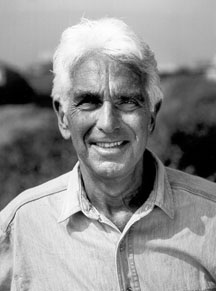
Core ideas and contributions
Bennis argued that leadership is a set of learnable behaviors rather than an innate trait. His writing emphasized self-knowledge, integrity, clear purpose, and the ability to communicate a vision. He distinguished leadership from mere management by focusing on change, meaning, and human potential. Bennis advocated leadership development through experience, reflection and mentoring, and his accessible style brought academic ideas into practice for managers and public figures.
Career and influence
Across decades he held academic posts, led leadership programs, and worked as an organizational consultant. He advised corporations, nonprofit organizations and public institutions, and he influenced curricula for leadership education. Bennis helped institutionalize leadership studies as an interdisciplinary academic area, blending psychology, sociology, organizational behavior and ethics. Biographical and institutional profiles of his work can be found in many scholarly and public outlets, including his professional profile.
Major works and themes
- On Becoming a Leader — one of his best-known books, exploring how individuals grow into leadership roles.
- Leaders: Strategies for Taking Charge (coauthored with Burt Nanus) — a practical examination of leadership strategies for large organizations.
- Other writings and essays that stress authenticity, vision, and the moral responsibilities of leaders.
Practical impact
Bennis's work shaped leadership training programs used in corporations, universities and public-sector organizations. He emphasized the role of leaders in fostering healthy organizational cultures, navigating change, and enabling people to do their best work. His books are often used in executive education and graduate courses as accessible introductions to leadership theory and practice.
Legacy and notable facts
Bennis died in Los Angeles, California, on July 31, 2014, at age 89. He left a legacy as a translator of academic concepts into practical guidance for leaders and as an advocate for leadership as a teachable, ethical discipline. His influence endures in leadership institutes, university programs and the many managers and scholars who continue to build on his ideas.
Selected themes to explore further:
- How leadership differs from management in purpose and practice.
- The processes by which individuals develop leadership capacity.
- The role of institutions in cultivating ethical and effective leaders.
Author
AlegsaOnline.com Warren Bennis: Pioneer of Leadership Studies Leandro Alegsa
URL: https://en.alegsaonline.com/art/132770