
Warren Beatty
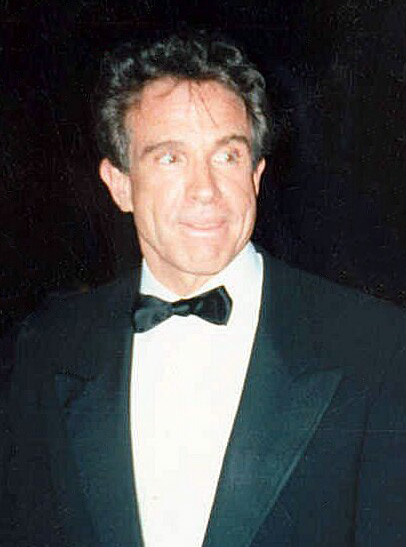
Warren Beatty is an American actor, director, producer and screenwriter noted for landmark films like Bonnie and Clyde, Heaven Can Wait and Reds and for numerous Academy and Golden Globe nominations.
Overview
Warren Beatty (born March 30, 1937) is an American actor, producer, screenwriter and director. Across a career that began in the late 1950s and continues in later decades, Beatty has been associated with ambitious, adult-oriented films that often blended romance, social commentary and personal ambition. He is widely regarded as a prominent creative force who frequently took multiple responsibilities on a single project.
Image gallery
9 Images


Career and style
Beatty first gained attention as a charismatic leading man and then moved into producing and directing, preferring projects in which he could shape story and tone. His screen persona combined sophistication with volatility, and he often portrayed complex, driven characters. Behind the camera he became known for meticulous preparation, attention to period detail and collaborations with writers and cinematographers to create polished, narrative-driven films.
Notable films
- Early breakout and dramatic roles that established him as a leading actor.
- High-profile successes that blended star power with socially aware storytelling.
- Later works in which he wrote, directed and produced to pursue personal projects.
Awards and recognition
Beatty has received extensive awards recognition: he was nominated for 15 Academy Awards and for 16 Golden Globe Awards, winning several Globes. He received major Oscar attention for films such as Heaven Can Wait, for which he earned multiple nominations, and for the historical drama Reds, a film that brought him significant Academy recognition. He won the Academy Award for Best Director, an honor that marks him among a small group of actor-directors who have been acknowledged in that category. He has also won multiple Golden Globe trophies for his work and contributions to film history (Best Director among them).
Legacy and notable facts
Beyond individual films and awards, Beatty's career is notable for the way he blurred the roles of star and auteur, producing work in which he often controlled casting, writing and production. His influence is evident in later actors who have pursued similar multi-hyphenate careers. Film scholars and critics continue to cite his work when discussing the evolution of American cinema in the late 20th century. For a concise account of his filmography and honors, see major film reference resources and biographies (Golden Globe history, director credits, writer credits, producer credits).
Questions and answers
Q: Who is Henry Warren Beaty?
A: Henry Warren Beaty is an American actor, producer, screenwriter and director.
Q: How many Academy Awards has he been nominated for?
A: He has been nominated for 15 Academy Awards.
Q: What award did he win from the Academy Awards?
A: He won the Best Director Award.
Q: How many Golden Globe Awards has he been nominated for?
A: He has been nominated for 16 Golden Globe Awards.
Q: How many Golden Globe awards did he win?
A: He won six Golden Globe awards.
Q: For which movie was Beatty nominated for four Oscars?
A: Beatty was nominated for four Oscars for Heaven Can Wait.
Q: What Oscar did he win from his nomination in Reds?
A; He won an Oscar for Reds.
Author
AlegsaOnline.com Warren Beatty Leandro Alegsa
URL: https://en.alegsaonline.com/art/132769