
Władysław Szpilman: Polish pianist, composer and memoirist
Polish pianist and composer Władysław Szpilman (1911–2000) is remembered for his music, his Holocaust survival memoir and its film adaptation, and his role in documenting life in wartime Warsaw.
Overview
Władysław Szpilman (5 December 1911 – 6 July 2000) was a Polish pianist, composer and writer. He combined a career as a radio pianist and arranger with composing for concert, theatre and screen. Szpilman is also known for the wartime memoir that chronicles his survival under German occupation in Warsaw; that account later inspired a major international film.
Image gallery
6 Images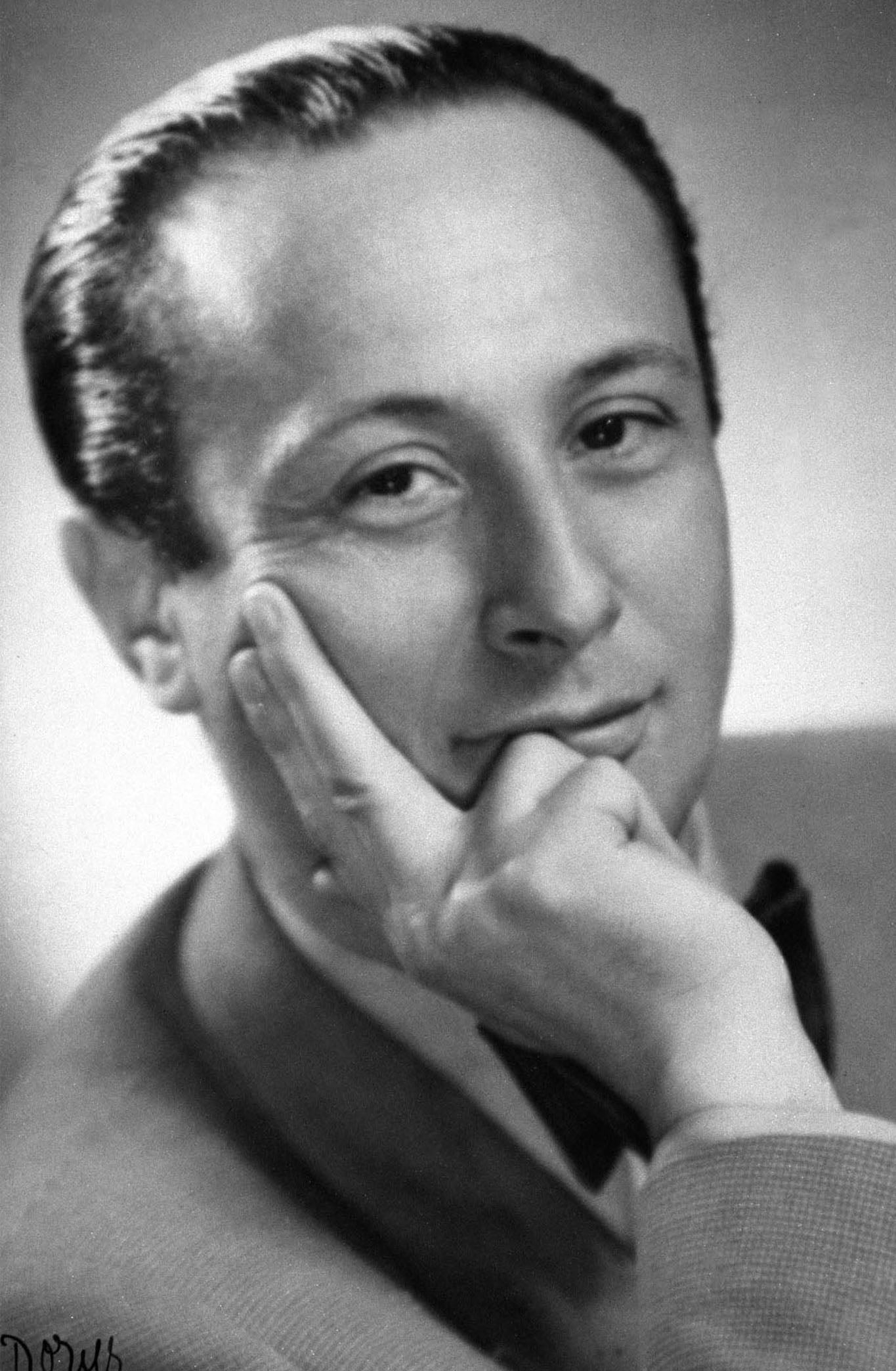



Career and musical work
Before World War II Szpilman was active as a performer and staff pianist at Polish Radio in Warsaw. His repertoire ranged from classical piano pieces to lighter popular songs; after the war he resumed broadcasting, recording and composing. His output included solo piano works, songs, incidental music for theatre and film scores. Szpilman was respected for his technical skill at the keyboard and for writing accessible melodies that reached wide audiences.
War, survival and the memoir
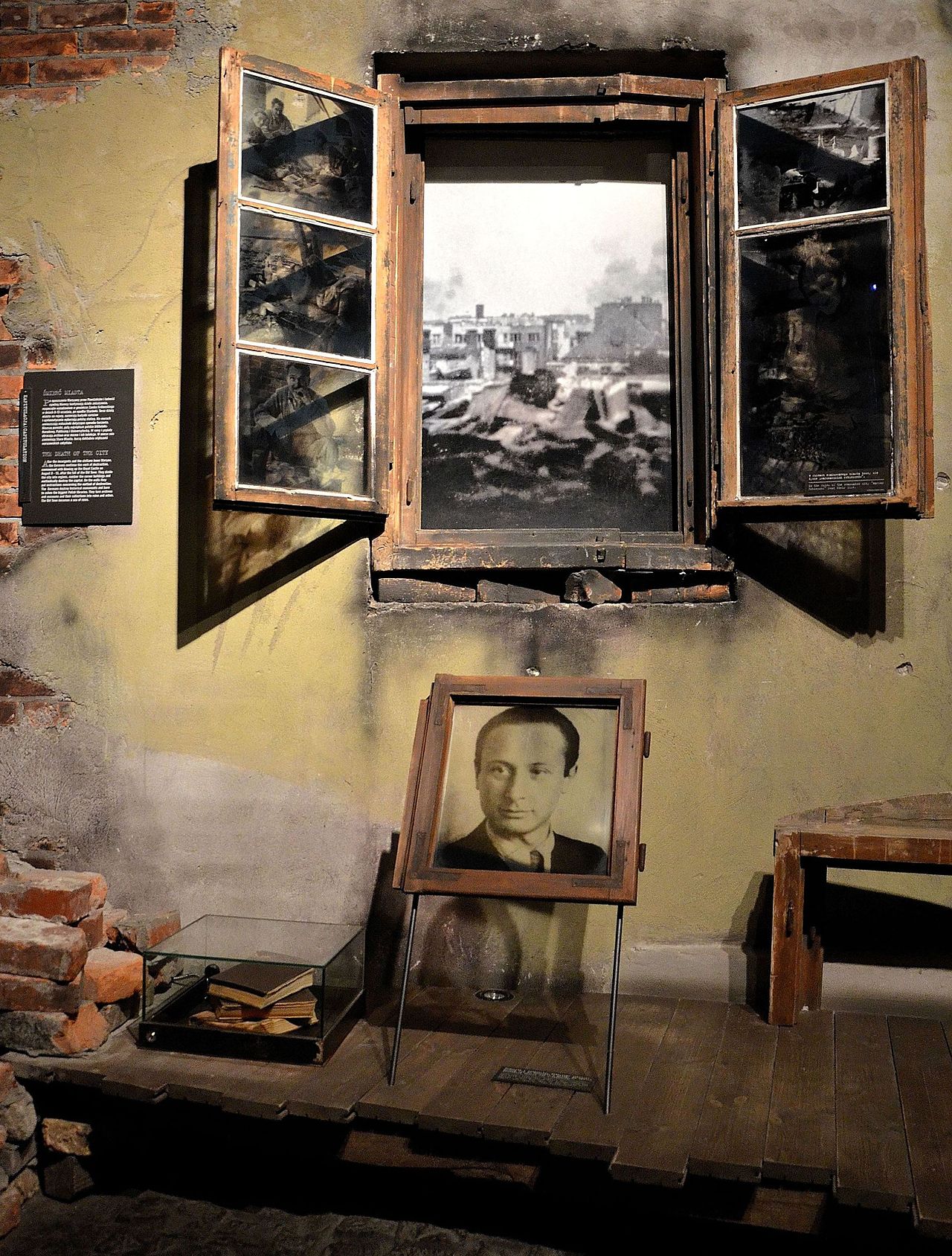
During the German occupation Szpilman endured the hardships that affected Warsaw's Jewish community and narrowly escaped deportation. He later survived in hiding with the help of friends and strangers. He recorded his experiences in a personal account that described daily life, loss, and the struggle to survive; this memoir became an important first-hand document of civilian life under occupation and of the Holocaust in Poland.
Legacy and cultural impact
Szpilman's memoir reached international attention when it formed the basis for the 2002 film directed by Roman Polanski, released as The Pianist. The film introduced Szpilman's story to a wide audience and renewed interest in his music. In Poland he is remembered both for his artistic achievements and for the historical testimony his writing provides.
Notable facts
- He spent much of his professional life connected to Polish Radio and public performance.
- His wartime memoir is a frequently cited primary source on life in occupied Warsaw.
- Szpilman's life and work are the subject of biographies and retrospectives; see a general biography and works overview.
- He died in Warsaw in 2000, leaving a legacy as both musician and witness.
For readers seeking more context on Szpilman's music and the historical background of his memoir, the film and published accounts provide complementary perspectives on art, survival and memory in twentieth-century Europe.
Author
AlegsaOnline.com Władysław Szpilman: Polish pianist, composer and memoirist Leandro Alegsa
URL: https://en.alegsaonline.com/art/132688