
Ursula Burns — Engineer and Corporate Leader
Profile of Ursula Burns, the American engineer and executive who rose from engineering intern to lead Xerox and influence corporate and public policy.
Overview
Ursula M. Burns (born 1958) is an American businesswoman and engineer known for her long career at Xerox Corporation. She was named chief executive in 2009 and later served as chairman, guiding the company through a period of strategic change. Burns is widely cited as the first African American woman to lead a Fortune 500 company and has been recognized on lists of powerful global leaders, including by Forbes.
Image gallery
1 Image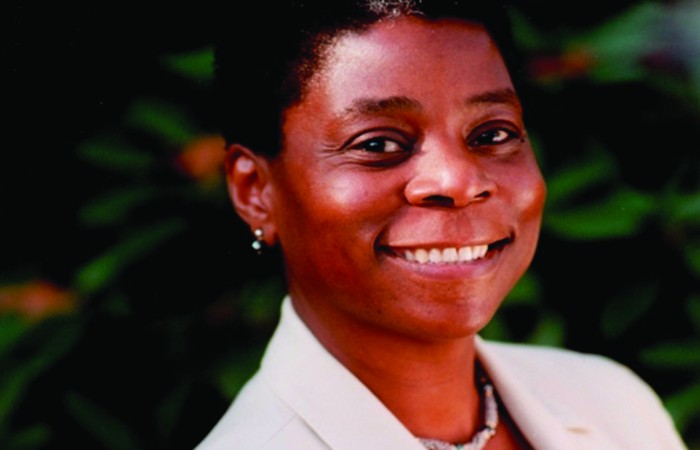
Early life and education
Burns grew up in Manhattan, New York, and has often described her upbringing in public housing as formative to her outlook on work and opportunity. She studied mechanical engineering, earning degrees that prepared her for technical roles in industry. Her academic background and early internships helped launch a professional path that combined engineering expertise with operational leadership. Local ties are often noted in biographical accounts referring to Manhattan and New York.
Career at Xerox
Burns joined Xerox in an engineering capacity and rose through technical and managerial ranks over several decades. As chief executive, she oversaw a shift for the company from a primary focus on photocopiers and printers toward services and business-process outsourcing. Under her leadership Xerox pursued strategic acquisitions and restructured parts of its business to respond to digital transformation in printing and document management. Many profiles and corporate biographies describe this trajectory: see a corporate biography or executive profile for additional context.
Later roles and public service
After her executive tenure at Xerox, Burns continued to influence business and policy through board service and advisory roles. She has been invited to participate on corporate boards and in government advisory groups, and she speaks frequently on topics such as workforce development, technology, and inclusion. Her public engagements often emphasize skills, education, and routes into technical careers for underrepresented groups; commentators note her status as a prominent African American leader in America.
Notable facts and legacy
- She is a rare example of an engineer who rose to the top of a major multinational firm, bringing technical training to strategic decisions.
- Her tenure is associated with efforts to reposition a legacy hardware company into services and software-driven offerings.
- Recognition by business publications and rankings helped raise her public profile and opened opportunities in both corporate governance and public policy.
Burns's career is frequently cited in discussions about leadership pipelines, diversity in executive ranks, and how industrial firms adapt to digital change. For concise background and accolades, readers may consult executive summaries and contemporary profiles hosted by business media and institutional pages such as company histories or archived executive statements.
Author
AlegsaOnline.com Ursula Burns — Engineer and Corporate Leader Leandro Alegsa
URL: https://en.alegsaonline.com/art/132399