
Tony Earl: 41st Governor of Wisconsin and Public Servant
Tony Earl (born 1936) is an American Democratic politician who served as Wisconsin's 41st governor (1983–1987). A Navy veteran and attorney, he emphasized government ethics and environmental protection.
Anthony Scully "Tony" Earl (born April 12, 1936) is an American politician and member of the Democratic Party best known for serving as the 41st Governor of Wisconsin from 1983 to 1987. His public profile combines military service, legal training and a single term as chief executive of a Midwestern state during a time of economic and political change.
Image gallery
1 Image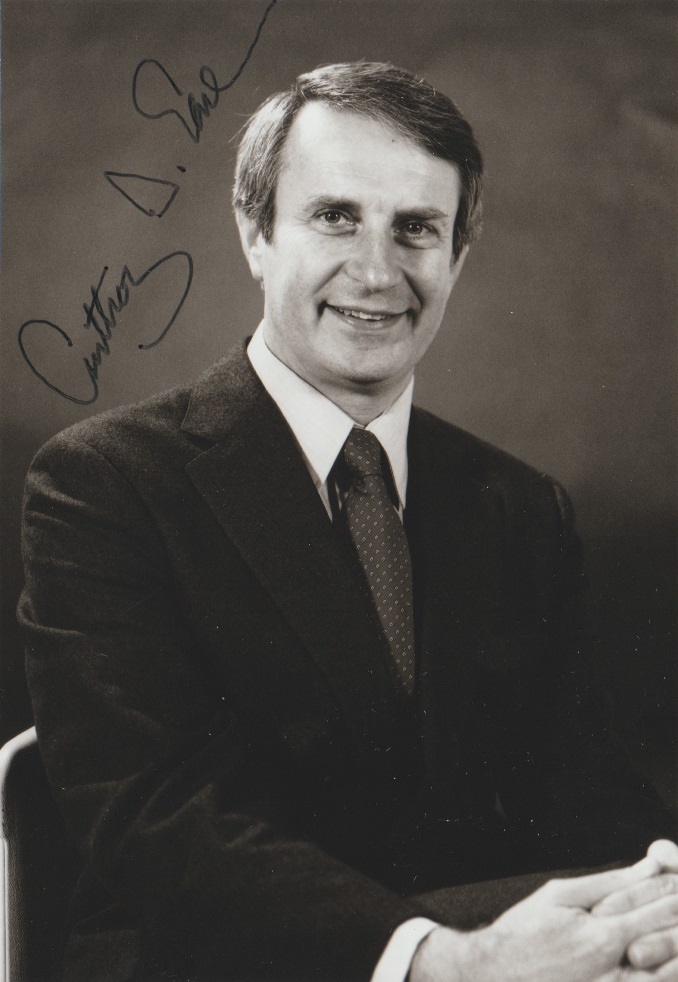
Early life, education and military service
Earl attended Michigan State University, graduating in 1958, and later earned a J.D. from the University of Chicago. Following law school he served four years in the United States Navy, including work as a legal officer. After leaving the Navy he moved to Wisconsin in 1965 and became increasingly active in state affairs.
Political rise and governorship
After establishing himself in Wisconsin public life, Earl won election as governor in 1982. His administration focused on strengthening government ethics, protecting natural resources and responding to fiscal pressures of the era. He pursued policies intended to improve environmental oversight and consumer protections while seeking pragmatic responses to budget and economic challenges.
Notable initiatives and approach
Earl was known for advocating open government and administrative reforms rather than ideological confrontation. Prominent themes of his term included environmental conservation measures, efforts to increase transparency in state government, and attention to consumer and public health issues. His pragmatic approach won respect from some quarters but also faced political headwinds.
Later career and legacy
Defeated for re-election in 1986, Earl returned to private life and continued work as an attorney and adviser. He remained a recognized voice in Wisconsin civic life and public policy discussions. Histories of state government cite his term as part of broader 1980s debates over environmental and ethical standards in public administration.
Facts and distinctions
- Born April 12, 1936, Tony Earl combined military, legal and political careers.
- He graduated from Michigan State University and earned a law degree at the University of Chicago.
- His administration is often remembered for environmental emphasis and ethics reform efforts.
- For further information on his life and career consult specialized state histories and archival materials on mid-20th-century Wisconsin politics (career overview).
Author
AlegsaOnline.com Tony Earl: 41st Governor of Wisconsin and Public Servant Leandro Alegsa
URL: https://en.alegsaonline.com/art/132185