
Tom Harpur: Canadian theologian, author and broadcaster (1929–2017)
Tom Harpur was a Canadian Anglican priest, journalist and author known for books on religion and for advocating a mythicist interpretation of Jesus in The Pagan Christ.
Overview
Thomas William "Tom" Harpur (April 24, 1929 – January 2, 2017) was a Canadian author, journalist, broadcaster and ordained Anglican priest. During a long public career he combined religious training with media work and popular writing, addressing faith, scripture and the place of religion in modern life. His style reached a broad readership and frequently sparked public debate.
Image gallery
1 Image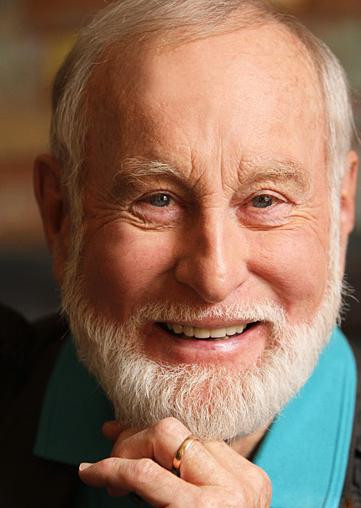
Views and themes
Harpur became best known for arguing that traditional, literal readings of scripture required serious re-evaluation. In several books and columns he advanced the view that the New Testament stories about Jesus reflect mythic and symbolic traditions as much as—or more than—straight historical reporting. This position aligns with the broad category called the Christ myth theory, which holds that the figure of Jesus in some accounts is a theological or archetypal construct rather than a straightforward historical person.
Major works
Harpur wrote for a popular audience, combining accessible prose with theological argument. Notable titles include:
- For Christ's Sake (1993) — reflections on faith and modern belief.
- Life after Death (1996) — exploration of afterlife ideas across traditions.
- The Pagan Christ (2004) — his most controversial work, arguing parallels between Christian narratives and older pagan myths.
Reception and controversy
Harpur's writings attracted wide public interest and sharp criticism. Supporters praised his willingness to question literalist assumptions and to encourage spiritually minded readers to reconsider inherited doctrines. Critics — including many biblical scholars and clergy — argued that his conclusions overstated parallels and underestimated historical evidence, and they challenged his methods and use of sources. The debates his books generated brought theological questions into newspaper pages, radio programs and public forums.
Legacy
Tom Harpur left a mixed legacy as a communicator who brought complex theological issues to a mass audience. He remained an ordained priest even as he promoted reinterpretations of Christian origins, and his work continues to be cited in discussions about faith, myth and the boundaries between historical and symbolic readings of religious texts. For readers seeking introductions to his ideas, his books and numerous columns provide an accessible entry point to contemporary debates about religion and modernity.
Further reading
For overviews and critiques of Harpur's arguments, consult reviews, collected responses and introductions to the broader debates about the historicity of religious figures. Many summaries, critiques and discussions of his books are available online and in periodical archives.
Author
AlegsaOnline.com Tom Harpur: Canadian theologian, author and broadcaster (1929–2017) Leandro Alegsa
URL: https://en.alegsaonline.com/art/132102