
Tim Flannery
Australian mammalogist, palaeontologist and environmental writer. Prominent climate advocate, former Macquarie University professor, 2007 Australian of the Year and chair of the Copenhagen Climate Council.
Tim Flannery (born 28 January 1956) is an Australian scientist and public writer who has worked across mammalogy, palaeontology and environmental policy. He is best known for combining original field research with accessible books and public advocacy on climate change and biodiversity. For basic biographical details see birth and background.
Image gallery
5 Images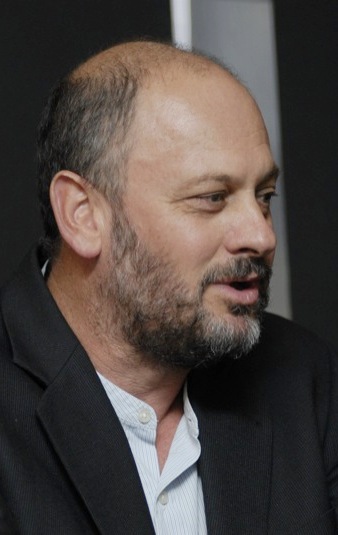


Fields and work
Trained as a mammalogist and palaeontologist, Flannery carried out field studies of mammals and fossil records in Australia and nearby regions, contributing to understanding of mammal evolution and extinction. He has published both scientific papers and popular books; notable titles include explorations of ecological history and future climate impacts. For more on his scientific interests see mammalogy and palaeontology.
Public advocacy and writing
From the late 20th century onward Flannery became a public voice on global warming and the need for emissions reduction. His writings explain climate science and argue for policy and technological responses. He has participated in advisory groups and public debates and has been associated with international awareness efforts; one such role is as chair of a climate-awareness group linked to Copenhagen initiatives (Copenhagen Climate Council). His commentary on climate policy and energy has been widely circulated and occasionally contested.
Career highlights and roles
Flannery served as a professor at Macquarie University and later focused on research, writing and public engagement; he left that professorship in 2013. In 2007 he received national recognition as Australian of the Year. He has also held leadership or advisory positions in climate commissions and councils and contributed to public education about environmental risks (climate change).
His personal life intersects with science: he is married to Alexandra Szalay, a scientist and collaborator. For media profiles and selected interviews see further reading and other online resources (biographical sources).
Flannery's career spans detailed natural-history research and high-profile public communication, making him a prominent figure in Australian science and international environmental discussion.
Author
AlegsaOnline.com Tim Flannery Leandro Alegsa
URL: https://en.alegsaonline.com/art/131931