
Timothy McCarthy (U.S. Secret Service agent and law enforcement officer)
Former Secret Service agent Timothy McCarthy is known for shielding President Reagan during the 1981 assassination attempt; he later held leadership roles in Illinois law enforcement and municipal administration.
Timothy J. McCarthy (born June 20, 1949) is an American law enforcement professional best known for his service with the United States Secret Service and for a decisive act of protection during the attempted assassination of President Ronald Reagan in 1981. McCarthy's actions that day drew national attention and led to formal recognition for bravery. He later continued a long career in public safety and municipal management in the Chicago area.
Image gallery
2 Images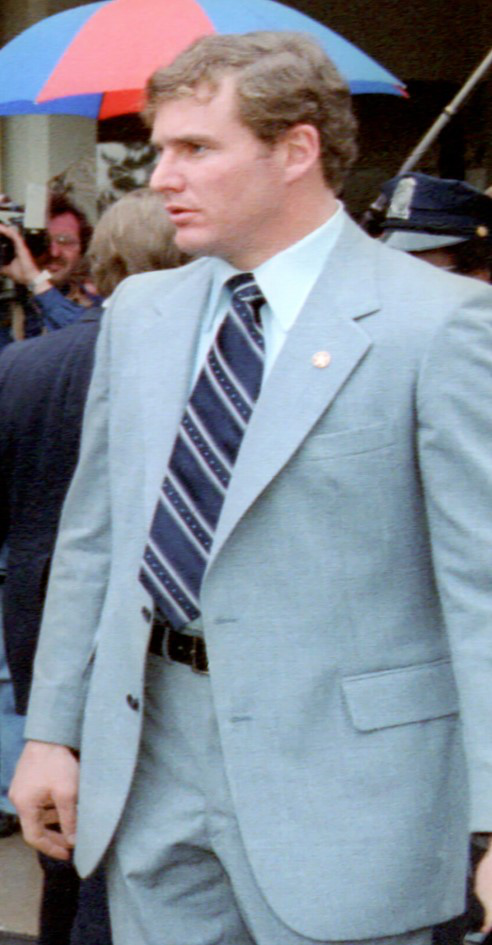

1981 assassination attempt and injury
On March 30, 1981, a gunman, John Hinckley Jr., fired several shots at President Reagan outside the Hilton Hotel in Washington, D.C. McCarthy, then a Secret Service agent assigned to presidential protection, stepped into the line of fire to shield the President. He was struck by a bullet and wounded in the abdomen; surgeons at George Washington University Hospital removed the round and McCarthy recovered from his injury. His decision to place himself between the attacker and the President came to be cited as a textbook example of the protective duty and personal risk undertaken by agents in the close-protection detail.
Career and public service
Following his tenure with the Secret Service, McCarthy remained active in public safety and municipal leadership. He served in senior roles in local law enforcement, including a period as chief of police in Orland Park, Illinois, where he oversaw community policing, departmental administration and local public-safety initiatives. In 2016 he accepted an interim municipal management post in the Chicago area, working with officials in the Ashburn community and surrounding jurisdictions within Chicago to provide administrative support and continuity.
Honors and legacy
McCarthy's conduct during the 1981 shooting earned formal commendations and public recognition. He was among a small number of Secret Service agents documented to have taken a bullet in the line of duty while protecting a President. In 1982 he received the NCAA Award of Valor in recognition of his courage. His actions are frequently cited in discussions of executive protection, training curricula and historical accounts of presidential security.
Notable facts and distinctions
- McCarthy is often referenced as an example of the risks facing close-protection officers and the split-second choices required in an attack.
- His recovery and continued service underscored the resiliency expected of law enforcement professionals.
- Beyond federal protection duties, McCarthy's later municipal roles highlighted a transition from federal detail work to community-focused policing and administration, demonstrating the varied career paths available to former Secret Service agents.
For more on his life and public service, readers can consult archival coverage of the 1981 shooting and later municipal records describing his law enforcement and management roles. Additional background on the Secret Service's protective mission and the institutional response to the Reagan shooting appears in contemporary accounts and institutional histories of presidential security. Links in this article point to related topics and localities, including McCarthy's law enforcement career and the communities he served: law enforcement career, police officer, Orland Park, Secret Service, President Reagan, George Washington University Hospital, Ashburn, Chicago.
Author
AlegsaOnline.com Timothy McCarthy (U.S. Secret Service agent and law enforcement officer) Leandro Alegsa
URL: https://en.alegsaonline.com/art/131909