
Tilda Swinton
English actress known for chameleonic, often androgynous performances across art-house and mainstream films; noted for collaborations with Derek Jarman and roles in Orlando, Michael Clayton and The Chronicles of Narnia.
Katherine Mathilda Swinton (born 5 November 1960) is an English actress whose work spans theatre, independent cinema and mainstream films. She is widely recognised for her chameleonic range and a screen presence that often blurs conventional markers of gender, age and identity. For general biographical overviews see biographical resources.
Image gallery
8 Images


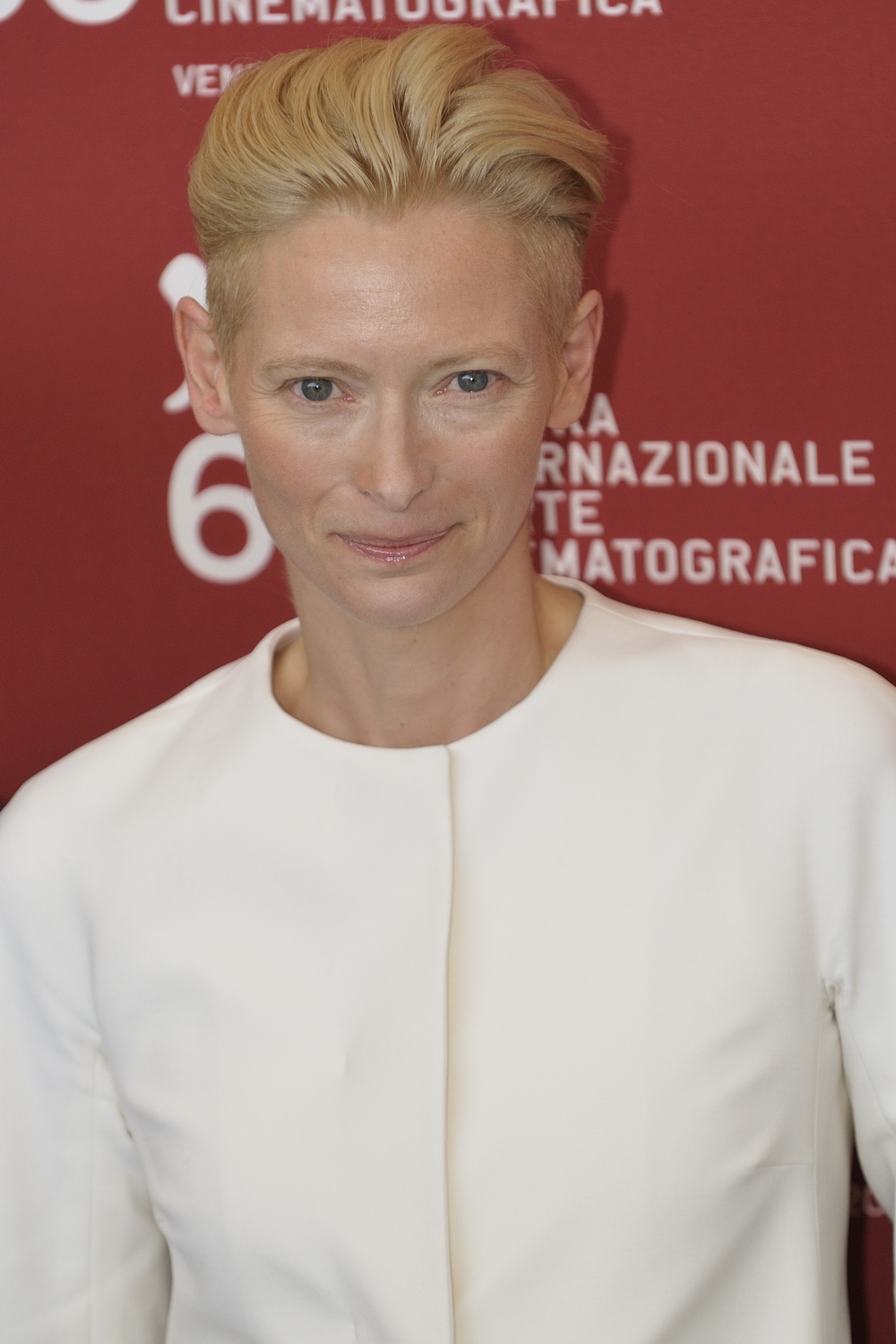
Early life and education
Swinton was born in London to John Swinton and Judith (née Killen), who is Australian. She read English at New Hall, Cambridge, graduating in 1983, and was active politically while a student, including a period of involvement with the Communist Party. Background material and regional context are available through London-related profiles and collegiate records such as New Hall.
Theatre and early film work
After university Swinton worked in theatre, including with the Traverse Theatre in Edinburgh and with companies linked to classical and experimental practice. These stage experiences informed her technique and versatility; records of venues and productions can be consulted at institutional pages such as the Traverse Theatre.
Collaboration with Derek Jarman and independent cinema
Swinton's early screen work is closely associated with director Derek Jarman, a partnership that established her in British independent cinema and art-house circles. Her performances in films from this period are often cited as formative for her later career choices and public image; further commentary is collected in specialist film resources at film resources.
Mainstream recognition and major roles
While maintaining a presence in experimental projects, Swinton also took parts in higher-profile films. She gained international exposure in roles such as the androgynous lead in Orlando and as the White Witch in The Chronicles of Narnia, which reached wider family and fantasy audiences. Her role as Karen Crowder in Michael Clayton brought prominent awards recognition, including an Academy Award for Best Supporting Actress. Specific film credits and related pages may be seen at that film.
Style and public image
Critics and scholars often emphasise Swinton's deliberate resistance to typecasting. She frequently selects parts that reconfigure expected identities, using costume, voice and physicality to create characters that challenge norms. Discussion of her family background and formative influences appears in profiles and interviews archived in various repositories, including family and personal background sources.
Legacy and continued work
Swinton's career is notable for its breadth: she moves between stage and screen, art-house directors and studio filmmakers, and remains a frequent collaborator with a small number of directors and artists. Her influence is visible in contemporary debates about performance, versatility and the public role of the actor. Further biographical and critical materials are available through curated databases and theatre archives such as biographical resources and institutional collections at theatre repositories.
- Representative films: Orlando; The Chronicles of Narnia; Michael Clayton; We Need to Talk About Kevin; Only Lovers Left Alive; Snowpiercer; Suspiria.
- Frequent collaborators: Derek Jarman, Sally Potter, Jim Jarmusch, Luca Guadagnino and others across independent and mainstream cinema.
Author
AlegsaOnline.com Tilda Swinton Leandro Alegsa
URL: https://en.alegsaonline.com/art/131899